

Roofing projects have a way of feeling overwhelming fast. One minute you’re dealing with a small leak, and the next you’re staring at an estimate full of unfamiliar roofing terms, measurements, and recommendations that sound expensive.
Understanding basic roofing terminology helps you ask better questions, compare estimates accurately, and avoid paying for things you don’t need. Whether you’re planning a roof repair, replacement, or dealing with an insurance claim, knowing the language gives you leverage.
This guide breaks down the most common roofing terms every homeowner should know.
Basic Roofing Terms Homeowners Hear Most Often
These are the words you’ll hear early on when talking to contractors or getting quotes.
Roof system
The entire roofing setup, not just shingles. It includes underlayment, flashing, ventilation, decking, and materials working together.
Roofing materials
The products used on your roof, like shingles, metal panels, underlayment, flashing, and vents.
Roof slope vs pitch
Slope describes how steep your roof is, while pitch is the ratio of rise to run (for example, 6:12). Steeper roofs often cost more to work on.
Square (roofing measurement)
Roofers measure roofing in “squares.” One square equals 100 square feet of roof area.
Tear-off vs overlay
A tear-off removes old shingles before installing new ones. An overlay (or layover) installs new shingles on top of existing ones.
Actual costs depend on your location, project scope, and materials. The best way to know what you'll pay is to get quotes from local contractors.
Get Your Free Estimate →Roof Structure and Anatomy Terms
These terms describe what’s underneath and around your roof.
Roof deck / sheathing
The plywood or OSB boards attached to your roof framing that shingles are nailed into.
Rafters and trusses
The framing that supports your roof. Rafters are individual beams; trusses are pre-built structural units.
Fascia
The board along the edge of the roof where gutters attach.
Soffit
The underside of roof overhangs that helps with ventilation.
Eaves
The edges of the roof that extend beyond your exterior walls.
Ridge
The highest horizontal line where two roof slopes meet.
Valley
The inward angle where two roof sections meet and water naturally flows.
Common Roofing Material Terms
These show up frequently in estimates and material lists.
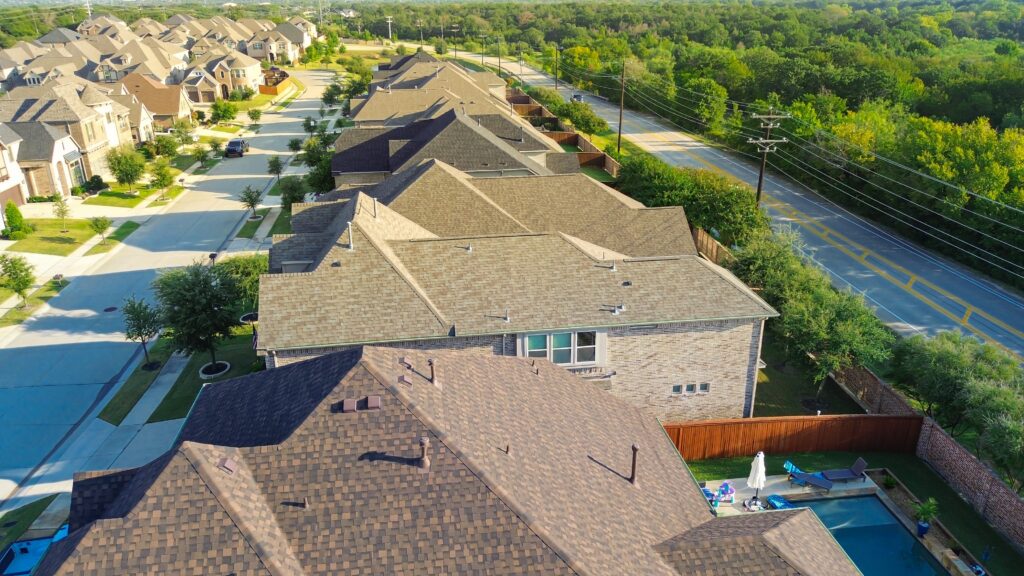
Asphalt shingles
The most common roofing material.
- 3-tab shingles: Flat, budget-friendly
- Architectural shingles: Thicker, more durable, and longer-lasting
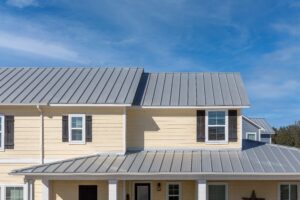
Metal roofing panels
Long metal sheets or shingles known for durability and longevity.
Underlayment
A protective layer installed under shingles to provide moisture resistance.
Ice and water shield
A waterproof membrane used in valleys, eaves, and other leak-prone areas.
Starter shingles
Special shingles installed along roof edges to prevent wind uplift.
Ridge cap shingles
Shingles designed to cover the roof ridge for protection and ventilation.
"We matched with a great contractor the same day. The whole process was easy and completely free."
Roofing Installation and Labor Terms
These describe how the roof is installed.
Flashing
Metal pieces installed around chimneys, vents, skylights, and valleys to prevent leaks.
Drip edge
Metal edging installed along roof edges to direct water away from the fascia.
Nail pattern / fastening schedule
The required number and placement of nails to meet manufacturer warranty standards.
Vent installation
The process of adding intake and exhaust vents to regulate airflow.
Roof Ventilation Terms Homeowners Should Know
Ventilation directly affects roof lifespan and energy efficiency.
Ridge vent
A vent installed along the roof ridge to release hot air.
Box vent
Small vents placed near the top of the roof for exhaust.
Soffit vent
Intake vents installed under eaves to bring fresh air in.
Gable vent
Vents located on the exterior wall near the roof peak.
Intake vs exhaust ventilation
Intake pulls air in; exhaust pushes hot air out. A balanced system needs both.
Roofing Damage and Wear Terms
Helpful when diagnosing problems or filing insurance claims.
Granule loss
When shingle granules wear away, exposing asphalt underneath.
Blistering
Raised bubbles caused by trapped moisture or manufacturing issues.
Curling shingles
Shingles that lift at the edges due to age or heat exposure.
Cracked shingles
Often caused by wind, temperature changes, or impact damage.
Roof leak vs roof seepage
Leaks are active water entry; seepage is slow moisture intrusion over time.
Why Hire a Licensed Professional
- Licensed & insured — protects you from liability
- Warranty coverage — manufacturers require pro installation
- Code compliance — avoids permit issues
- Faster completion — pros finish in days, not weeks
Roofing Repair vs Replacement Terms
These help you understand your options.
Roof repair
Fixing a specific problem area.
Spot repair
Small, localized repair.
Partial replacement
Replacing one section of the roof.
Full roof replacement
Removing old materials and installing a new roof system.
Roof lifespan
Expected service life of roofing materials.
Remaining useful life
How much life your roof has left, often used in inspections and insurance claims.
Roofing Cost and Estimate Terms
These show up in nearly every quote.
Cost per square
Price per 100 square feet of roofing.
Labor vs materials
Breakdown of installation cost versus product cost.
Disposal fees
Costs to remove and haul away old roofing materials.
Permit costs
Fees required by local building departments.
Change orders
Additional charges if project scope changes mid-job.
DIY vs. Professional: At a Glance
Roofing Warranty and Insurance Terms
These matter long after installation.
Manufacturer warranty
Covers material defects.
Workmanship warranty
Covers installation errors.
Prorated vs non-prorated warranty
Prorated coverage decreases over time; non-prorated stays full.
Actual Cash Value (ACV)
Insurance payout minus depreciation.
Replacement Cost Value (RCV)
Covers full replacement cost without depreciation (after deductible).
Roofing Terms Used During Insurance Claims
Common after storms.
Wind uplift
When wind lifts shingles from the roof surface.
Hail impact marks
Dents or bruises caused by hailstones.
Adjuster
Insurance representative who inspects damage.
Scope of loss
Detailed report of covered damage.
Supplemental claim
Additional claim for damage found after initial inspection.
Spring and summer are the busiest seasons for home improvement projects — top-rated contractors book up fast. Lock in your estimate now before demand peaks.
Check Availability in Your Area →Questions Homeowners Should Ask Using These Roofing Terms
Using the right language helps you get clearer answers:
- Is this a tear-off or overlay?
- Are flashing and underlayment being replaced?
- What ventilation upgrades are included?
- Which warranties apply to this roof system?
- How many squares does my roof measure?
Ready to Move Forward?
Tell us about your project and get matched with up to 3 pre-screened contractors. Compare quotes, check reviews, and hire with confidence.
Roofing Terms Glossary (Quick Reference)
- Square: 100 square feet of roof
- Flashing: Leak-prevention metal
- Underlayment: Protective layer beneath shingles
- Ridge vent: Exhaust vent at roof peak
- Fascia: Board behind gutters
- Soffit: Ventilated underside of eaves
Why Understanding Roofing Terms Saves Homeowners Money
When you understand roofing terminology, you’re less likely to overpay, more likely to compare estimates accurately, and better equipped to make smart repair-versus-replacement decisions. Clear communication with contractors leads to clearer expectations and fewer surprises.
Final Thoughts
You don’t need to memorize every roofing term, but knowing the basics puts you in control of the conversation. Before signing a contract or filing an insurance claim, refer back to this guide. A little roofing knowledge goes a long way toward protecting your home.
Connect with top-rated local contractors who can help you with siding, roofing, HVAC, windows, and more. Get free quotes from verified professionals in your area today.