

If your energy bills feel higher every year, your home’s exterior could be part of the problem. Drafts, temperature swings, and heat loss don’t just come from windows and doors. Your siding plays a bigger role in energy efficiency than most homeowners realize.
That’s where insulated vinyl siding comes in. It’s designed to do more than protect your home from the elements. It helps reduce energy loss, improve comfort, and lower heating and cooling costs over time.
This guide breaks down how insulated vinyl siding works, how much energy savings you can realistically expect, and whether it’s worth the investment for your home.
What Is Insulated Vinyl Siding?
Insulated vinyl siding looks similar to standard vinyl siding from the outside, but there’s a major difference behind the panels.
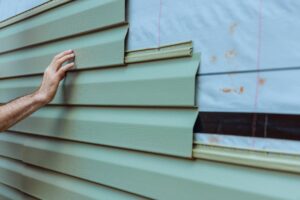
Insulated vinyl siding has rigid foam insulation bonded to the back of each siding panel. Instead of leaving gaps between the siding and your home’s walls, this insulation creates a continuous thermal barrier around the exterior of the house.
Unlike traditional vinyl siding, insulated vinyl siding actively helps regulate indoor temperatures.
How Insulated Vinyl Siding Improves Energy Efficiency
Most homes lose energy through small gaps, seams, and framing members in the walls. Insulated vinyl siding helps address these issues in a few key ways.
Actual costs depend on your location, project scope, and materials. The best way to know what you'll pay is to get quotes from local contractors.
Get Your Free Estimate →Reduces thermal bridging
Thermal bridging happens when heat escapes through wall studs and framing. The foam backing on insulated siding helps cover those weak points, slowing heat transfer.
Improves the building envelope
Your home’s “building envelope” is the shell that separates indoor and outdoor air. Insulated siding strengthens that shell, making it harder for heat or cold to sneak through.
"We matched with a great contractor the same day. The whole process was easy and completely free."
Minimizes drafts and air leaks
By fitting tightly against the wall, insulated vinyl siding reduces air infiltration that causes cold drafts in winter and heat gain in summer.
Maintains more consistent indoor temperatures
Homes with insulated siding often feel more comfortable overall, with fewer hot or cold spots near exterior walls.
Understanding R-Value and Energy Performance
When talking about insulation, you’ll hear the term R-value.
R-value measures how well a material resists heat flow—the higher the R-value, the better the insulation.
- Standard vinyl siding: R-value close to 0
- Insulated vinyl siding: R-2 to R-5, depending on the product
While that may not sound dramatic, adding continuous insulation on the outside of your home can significantly improve overall wall performance, especially in older homes that lack modern insulation.
Energy Savings You Can Expect From Insulated Vinyl Siding
So what does this actually mean for your utility bills?
Most homeowners see 5% to 15% reductions in heating and cooling costs after installing insulated vinyl siding. Actual savings depend on several factors:
- Climate (cold and hot climates benefit the most)
- Age of the home
- Existing wall insulation
- Air leakage issues
- Energy prices in your area
Beyond the numbers, many homeowners notice their homes feel more comfortable year-round, fewer drafts in winter and less heat buildup in summer.
Insulated Vinyl Siding vs Other Siding Options
When comparing siding choices, energy efficiency is just one piece of the puzzle.
Why Hire a Licensed Professional
- Licensed & insured — protects you from liability
- Warranty coverage — manufacturers require pro installation
- Code compliance — avoids permit issues
- Faster completion — pros finish in days, not weeks
Insulated vinyl vs standard vinyl
Insulated vinyl costs more upfront but offers better energy performance, improved durability, and a more solid feel.
Insulated vinyl vs fiber cement
Fiber cement is durable and fire-resistant but doesn’t add insulation unless combined with additional foam board, which increases labor and cost.
DIY vs. Professional: At a Glance
Insulated vinyl vs wood siding
Wood offers natural insulation but requires frequent maintenance and is more vulnerable to moisture and pests.
For homeowners focused on energy savings with low maintenance, insulated vinyl often hits the sweet spot.
Cost of Insulated Vinyl Siding
Insulated vinyl siding typically costs more than standard vinyl, but less than many premium siding options.
Average cost range:
- $8 to $14 per square foot installed
Compared to standard vinyl siding, expect to pay about 20%–30% more upfront. However, energy savings, durability, and reduced maintenance can help offset that cost over time.
Many homeowners see a solid return on investment when insulated siding is combined with other efficiency upgrades like air sealing or window replacement.
Spring and summer are the busiest seasons for home improvement projects — top-rated contractors book up fast. Lock in your estimate now before demand peaks.
Check Availability in Your Area →Is Insulated Vinyl Siding Worth It for Your Home?
Insulated vinyl siding tends to make the most sense if:
- You live in a cold or hot climate
- Your home is older or under-insulated
- You notice drafts or uneven temperatures
- Your energy bills are consistently high
It may be less necessary for newer homes built with modern insulation standards, though comfort and noise reduction benefits may still apply.
Additional Benefits Beyond Energy Savings
Energy efficiency is the main draw, but insulated vinyl siding offers other perks too.
- Noise reduction: Foam backing helps dampen outside noise
- Improved durability: Panels resist denting and cracking better
- Lower maintenance: No painting or sealing required
- Better curb appeal: Panels look straighter and more uniform
- Potential resale value boost: Energy efficiency is attractive to buyers
Ready to Move Forward?
Tell us about your project and get matched with up to 3 pre-screened contractors. Compare quotes, check reviews, and hire with confidence.
Installation Considerations for Insulated Vinyl Siding
Proper installation matters just as much as the product itself.
Contractors need to:
- Prepare wall surfaces correctly
- Manage moisture and drainage
- Integrate siding with existing insulation and house wrap
- Install panels tightly without restricting expansion
Choosing an experienced siding installer is key to getting the full energy-saving benefit.
Insulated Vinyl Siding and Energy Rebates or Tax Credits
In some cases, insulated vinyl siding may qualify for energy efficiency rebates or tax incentives, depending on current programs and product ratings.
Availability varies by location and year, so it’s smart to:
- Ask contractors about eligible products
- Check local utility rebate programs
- Keep documentation and receipts
Even when rebates aren’t available, long-term energy savings can still make the upgrade worthwhile.
Common Questions About Insulated Vinyl Siding
Does insulated vinyl siding really lower energy bills?
Yes, especially in older homes or extreme climates. Savings vary, but many homeowners see noticeable reductions.
Can insulated vinyl siding be installed over existing siding?
Sometimes. It depends on the condition and type of existing siding and local building codes.
How long does insulated vinyl siding last?
Most products last 30–40 years or more with minimal maintenance.
Does insulated siding replace interior insulation?
No. It supplements existing insulation. It doesn’t replace what’s inside your walls.
Final Thoughts: Is Insulated Vinyl Siding a Smart Energy Upgrade?
If you’re looking for a way to improve comfort, reduce energy loss, and lower utility bills without major interior renovations, insulated vinyl siding is worth serious consideration.
While it costs more upfront than standard vinyl, the combination of energy savings, durability, and low maintenance can make it a smart long-term investment, especially for older homes or homeowners planning to stay put.
Connect with top-rated local contractors who can help you with siding, roofing, HVAC, windows, and more. Get free quotes from verified professionals in your area today.