

*Updated on September 4th, 2025
Preparing your home’s exterior for winter is essential to avoid costly repairs and ensure it withstands harsh weather conditions. From inspecting the roof to sealing windows and cleaning gutters, this pre-winter maintenance checklist helps you tackle necessary home maintenance tasks, keeping your home protected and comfortable. By taking these proactive steps, you can minimize the risks that cold temperatures, snow and ice pose during the winter months, preserving your home’s durability and value through the season.
Use this maintenance checklist to keep everything running smoothly and get your home ready.
Inspect the Roof (start at the top)
Check your roof for any loose shingles, lifted flashing, or holes and get them fixed up. Make sure your attic has enough insulation to prevent heat loss and ice dams. It’s important to fix any problems right away to avoid leaks and damage. If you’re not comfortable climbing, hire a professional and ask for photos from the inspection.
Quick win: After storms, look for obstruction from branches and clear valleys so meltwater can flow to downspouts—this helps prevent heat loss and ice dams.
Need professional help with your project?
Get quotes from top-rated pros.
Find Local ProsClean Gutters and Downspouts
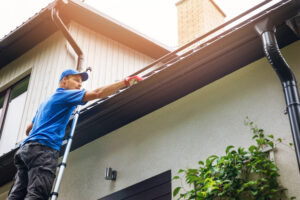
Throughout the summer and fall, leaves and debris can clog gutters and downspouts. If left there, they leave no room for water to drain, which in cold weather leads to ice dams. Ice dams can cause roofs to leak and even water damage inside the home. Clean your gutters, flush each downspout, and consider guards to keep debris out.
Actual costs depend on your location, project scope, and materials. The best way to know what you'll pay is to get quotes from local contractors.
Get Your Free Estimate →Drain Outdoor Faucets & Hoses (exterior plumbing)
Before fall is over, drain all outdoor faucets and hoses; don’t forget sprinkler systems, too. Any water left inside can freeze and burst the line when temperatures drop below freezing. Disconnect hoses and add insulated covers to protect the valve and water supply.
"We matched with a great contractor the same day. The whole process was easy and completely free."
Chimney & Fireplace safety
If you burn wood, schedule a chimney cleaned service and sweep to remove creosote buildup—a major home fire risk per the National Fire Protection Association. Verify the damper opens freely and the vent cap is screened to keep pests out. Store seasoned firewood under a tarp away from siding.
Service the Furnace & HVAC (your core heating system)
Before the deep cold, schedule a professional tune-up so you ensure your furnace runs efficiently and safely throughout the winter. Replace or replace the air filter/furnace filter (dirty filters reduce airflow and make the furnace runs longer). Confirm the blower works properly, registers are open, and the thermostat responds. If you heat with propane, check tank level and delivery schedule.
Improve Insulation in the Attic (and beyond)
Top off insulation in the attic and rim joists to prevent heat loss and condensation. Air-seal around can lights and chaseways, then add baffles at eaves to maintain vent airflow. Proper levels help keep your home warm and cozy and can prevent heat loss that cause ice dams.
Seal Windows and Doors (caulk & weather stripping)
Check for air leaks around doors and windows. Add caulk to exterior joints and replace weather stripping where it’s worn or damaged. Drafty frames let cold air in and waste energy. Consider to winterize your windows with interior film kits for especially drafty rooms.
Why Hire a Licensed Professional
- Licensed & insured — protects you from liability
- Warranty coverage — manufacturers require pro installation
- Code compliance — avoids permit issues
- Faster completion — pros finish in days, not weeks
Test Detectors (Smoke & Carbon Monoxide)
Press the test button on all smoke detectors and carbon monoxide detectors; replace batteries if needed. Keep extra detector batteries on hand and locate alarms on every floor of your home, especially near bedrooms. This is a critical winter maintenance step during the heating season.
Clear & Check Every Vent
Confirm exhaust vents (dryer, bath fans, kitchen hood) aren’t blocked by lint, nests, or snow and ice. Good ventilation reduces moisture that can damage paint and trim and helps your heating system work as designed.
DIY vs. Professional: At a Glance
Flip Ceiling Fans for winter
Reverse ceiling fans to push warm air down (low speed, clockwise) and reduce furnace run time. This small step fits any handy checklist and helps keep your home warm.
Spring and summer are the busiest seasons for home improvement projects — top-rated contractors book up fast. Lock in your estimate now before demand peaks.
Check Availability in Your Area →Yard & exterior tune-up (ready the outside)
-
Cut tree branches that threaten the roof; secure loose items.
-
Seal driveway cracks now so freeze-thaw cycles don’t widen them.
-
Stow furniture and décor; keep a rake and shovel accessible for storms.
-
Stock ice melt and mark the path to each downspout for easy clearing throughout the winter.
Bonus tools to winterize (quick grab list)
Shovel, de-icer, weatherproof caulk, insulated faucet covers, extra furnace filters, AA/9V batteries for detectors, spare hose gaskets, window film kit, spare tarp.
Ready to Move Forward?
Tell us about your project and get matched with up to 3 pre-screened contractors. Compare quotes, check reviews, and hire with confidence.
Conclusion
Completing a pre-winter winterization checklist is a valuable investment in your home winterization plan and your peace of mind. By taking proactive steps to winterize key systems—roof, gutters, heating system, windows and doors, and attic—you can prevent heat loss, avoid costly repairs, and ensure your home stays safe and comfortable winter long.
With these maintenance tasks in place, you’ll be ready for winter and can relax knowing your home is prepared for whatever the season brings.
FAQs
Can snow accumulation damage the roof?
Yes. Heavy snow and ice can stress a shingle roof. Use a roof rake after major storms or call a pro when loads are excessive.
How do I check for drafts in doors?
Hold incense near seams. If smoke wavers, add weather stripping or a door sweep and caulk gaps to prevent heat loss.
How often should I inspect exterior paint?
Do a quick annual walk-around and touch up peeling areas to keep moisture out and avoid wintertime repair later.
How can I protect outdoor plants during winter?
Mulch beds, wrap sensitive shrubs with burlap, and relocate containers to a sheltered spot to reduce freeze damage.
Do gutter guards eliminate cleaning?
They reduce debris but you should still inspect and rinse gutters/downspouts periodically to prevent clogs and overflow.
Additional Home Improvement Resources
- Affordable Home Upgrades that Increase Property Value
- Essential Home Maintenance Tasks for Every Season
- Home Projects to Consider in 2024
Connect with top-rated local contractors who can help you with siding, roofing, HVAC, windows, and more. Get free quotes from verified professionals in your area today.