
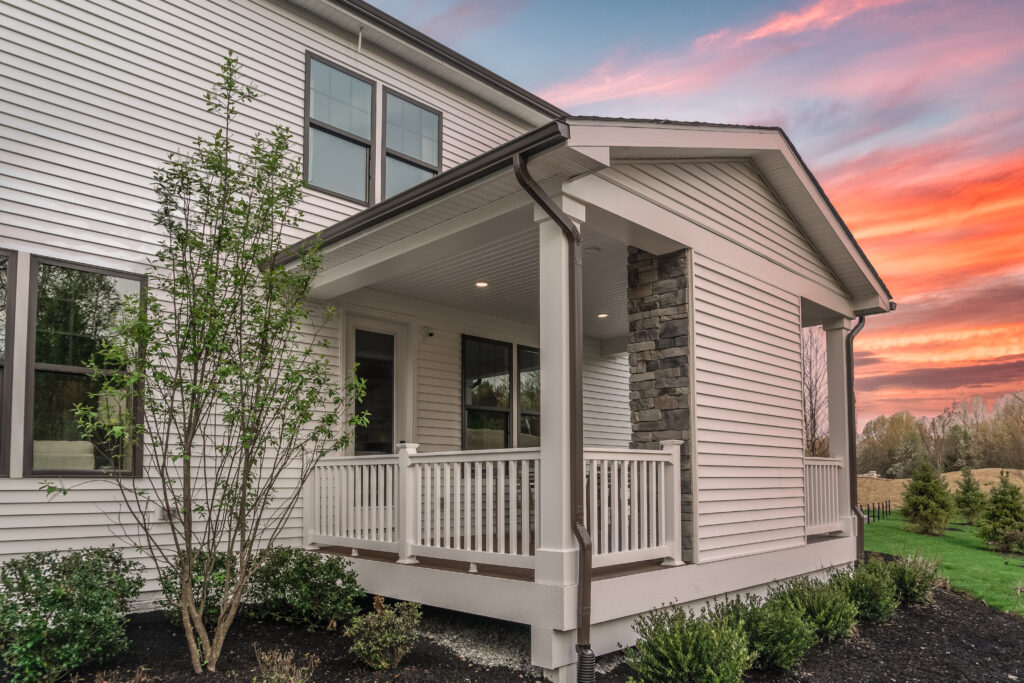
Your home’s siding does a lot more than just make the outside look nice. It’s your first line of defense against the elements. Exterior siding protects the home, helping keep out wind, rain, and pest activity while improving insulation and overall energy efficiency.
For many homeowners, siding plays an essential role in protecting the structure of a house while improving comfort. Quality siding helps regulate heating and cooling, protects structural materials beneath the siding, and enhances the appearance of your home.
So while a fresh new look is definitely a perk, the advantages of new siding go far beyond curb appeal. From protecting your investment to lowering energy bills, replacing your old siding can be one of the smartest home upgrades you make.
New Siding Improves Curb Appeal and the Appearance of Your Home
One of the first things people notice about the exterior of your home is its siding. If your current siding is faded, cracked, or outdated, it can drag down the entire home design.
Installing new siding instantly gives your home a clean, updated appearance. Today’s modern siding materials come in a wide range of styles and colors, allowing homeowners to match their siding styles to their architecture and personal taste.
Many siding materials offer realistic textures and finishes, including vinyl siding, fiber cement siding, and engineered wood siding that mimics natural wood. With the right siding material, you can dramatically enhance your home’s exterior.
Upgrading exterior siding doesn’t only refresh the look of your house. It can also increase property value. When buyers see a home with new siding, they immediately recognize that the home has been well maintained. Fresh siding panels also signal fewer maintenance concerns, making the property more appealing.
Siding Replacement Increases Home Value
A siding replacement project isn’t just about looks. It’s a smart investment overall.
According to industry studies, siding replacement consistently delivers a high return on investment. In many cases, homeowners can recover 70–80% of their project costs through increased market value and improved overall value of the property.
That’s because new siding increases home value by improving both aesthetics and structural protection. Buyers recognize that installed siding reduces future maintenance costs and protects the home from weather damage.
Materials like fiber cement siding are often seen as premium upgrades. These durable options help maintain a home’s exterior and support long-term property value.
When replacing siding, homeowners often upgrade from older siding to modern siding systems that offer stronger protection, longer lifespans, and improved efficiency.
New Siding Improves Energy Efficiency
Old or damaged siding can allow drafts, moisture, and temperature swings that impact indoor comfort. When siding is showing signs of wear, it can cause your HVAC system to work harder.
Installing energy-efficient siding helps seal gaps and stabilize temperatures inside your home. Many modern siding materials pair with insulation systems to improve your home’s energy efficiency.
For example:
-
Insulated siding adds a thermal barrier that reduces heat loss
-
Fiber cement siding helps maintain structural durability
-
Vinyl siding can be paired with foam backing to boost home’s energy efficiency
With improved insulation and tighter installation, new siding provides better protection against air leaks. This helps reduce energy bills and keeps your home comfortable year-round.
Better siding performance also means your heating and cooling system works less, which may extend equipment life and lower monthly utility costs.
Modern Siding Materials Offer Better Protection
Beyond efficiency and appearance, siding protects the structure of your home. Siding serves as the outer barrier that shields walls from moisture, wind, and temperature swings.
If your home’s siding is aging or damaged, it may no longer fully protect your home from weather or pests.
New durable siding options provide better protection than many older siding often installed decades ago. Today’s common siding materials include:
-
Vinyl siding
-
Fiber cement siding
-
Engineered wood siding
-
Natural wood siding
Each siding option offers unique advantages, but many modern siding materials are designed to resist rot, impact damage, and insect intrusion.
For example:
-
Fiber cement products resist moisture and fire
-
Vinyl siding stands up well to harsh weather
-
Engineered wood siding offers the look of wood with added durability
These materials help ensure siding ensures long-term protection for the structure beneath.
Replacing Your Siding Can Reveal Hidden Issues
One benefit of siding installation many homeowners overlook is the opportunity to inspect the structure underneath.
When contractors remove old or damaged siding, they can inspect areas beneath the siding for potential issues like:
-
Moisture damage
-
Rotting sheathing
-
Mold growth
-
Hidden pest activity
Addressing these problems during a professional siding installation can prevent costly repairs later.
In some cases, homeowners discover that old siding with new structural repairs creates a stronger exterior system overall.
Modern Siding Options Require Less Maintenance
Many homeowners choose siding replacement because older materials require frequent upkeep.
Traditional wood siding often needs repainting or sealing every few years. Cracks or gaps may also allow moisture infiltration.
By contrast, modern siding materials are designed to be far more durable. Vinyl siding, for example, rarely requires painting and only needs occasional cleaning.
Fiber cement siding is known for its resistance to moisture, fire, and insects. These materials deliver quality siding performance with minimal upkeep.
As a result, replacing your siding offers long-term savings by reducing repair costs and maintenance work.
New Siding Provides More Design Options
Another benefit of installing new siding is the expanded range of design choices available today.
Many siding products now include modern textures and architectural details that can dramatically transform the appearance of your home.
Popular siding styles include:
-
Horizontal lap siding
-
Board-and-batten panels
-
Shake-style siding
-
Mixed-material exteriors
You can also combine materials to create visual contrast across different areas of the exterior of your home.
Some homeowners pair siding replacement with other exterior improvements like a new roof, which creates a cohesive design update that can further enhance your home’s exterior.
Advantages of New Siding for Comfort and Sustainability
Beyond aesthetics, the advantages of new siding also include improved comfort and sustainability.
Modern systems often include insulated siding and weather barriers that improve energy performance and help help your home maintain steady indoor temperatures.
Many manufacturers also offer sustainable siding products made from recyclable or long-lasting materials. These solutions reduce waste while helping homeowners make your home more environmentally friendly.
Better insulation and improved materials mean siding can make your home quieter, more comfortable, and more energy efficient.
When to Consider Replacing Your Siding
If your home’s siding is aging or damaged, it may be time to consider replacing your siding.
Common signs your siding needs attention include:
-
Cracks or warped siding panels
-
Fading or peeling finishes
-
Visible moisture damage
-
Increased energy bills
-
Pest activity in exterior walls
When siding can lead to structural concerns or higher energy costs, a full siding replacement project may be the best long-term solution.
Conclusion: New Siding Is a Smart Investment
Upgrading your home’s siding delivers benefits that go well beyond aesthetics.
Replacing siding can:
-
Improve energy efficiency
-
Increase home value and market value
-
Protect the structure of your home
-
Reduce maintenance costs
-
Enhance the appearance of your home
Because siding helps maintain the structural integrity of your house while improving design and efficiency, it remains one of the most valuable exterior upgrades a homeowner can make.
If your current siding is aging or old or damaged siding is causing issues, replacing your siding may be the right move. With the right siding, your home can enjoy improved protection, efficiency, and property value for decades to come.

Anna has over six years of experience in the home services and journalism industries and serves as the Content Manager at MyHomePros.com, specializing in making complex home improvement topics like HVAC, roofing, and plumbing accessible to all. With a bachelor’s degree in journalism from Auburn University, she excels in crafting localized, comprehensive guides that cater to homeowners’ unique needs. Living on both coasts of the United States has equipped her with a distinctive perspective, fueling her passion for turning any house into a cherished home through informed, personalized decision-making.
Connect with top-rated local contractors who can help you with siding, roofing, HVAC, windows, and more. Get free quotes from verified professionals in your area today.