

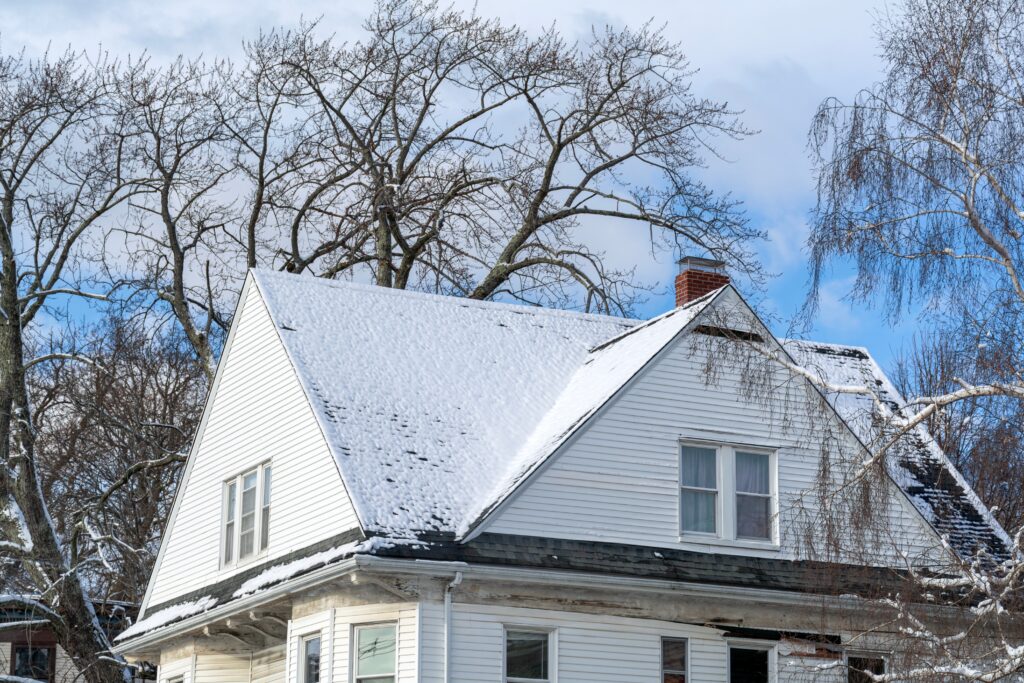
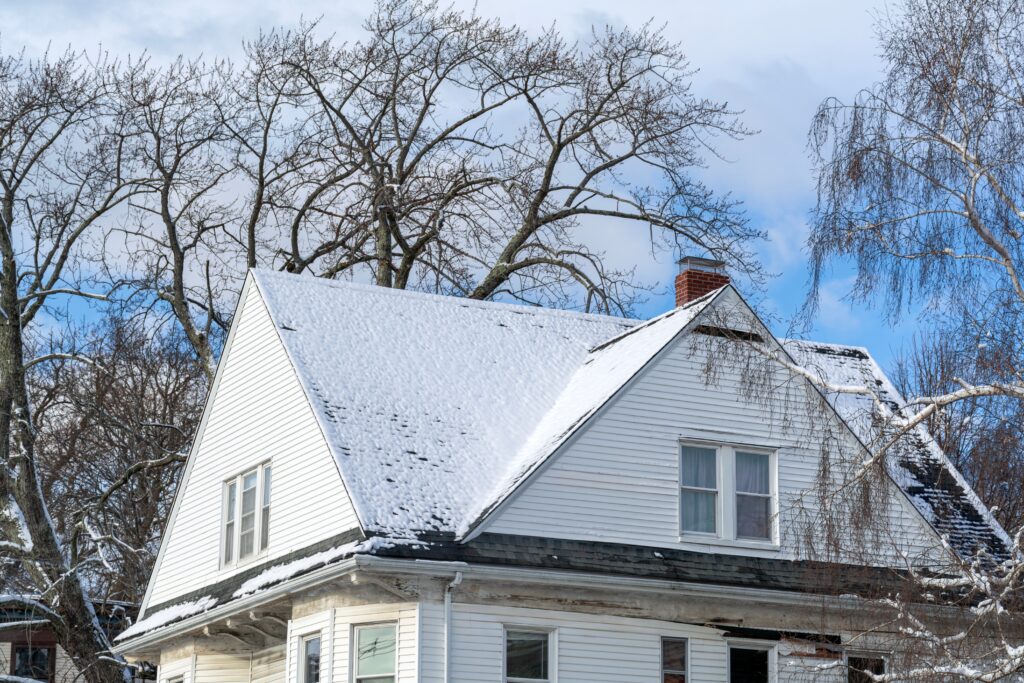
Winter weather demands more from your home’s exterior than any other season. Between freezing temperatures and heavy snow, your siding needs to offer superior durability to prevent structural damage and insulation to keep energy costs down. The wrong material can quickly lead to cracked panels, trapped moisture, and expensive repairs.
Why Siding Choice Matters in Cold Climates
In mild climates, siding has a simple job which is to keep the rain out. In regions with extreme winters, the job is much harder because the material must act as a comprehensive thermal barrier. The biggest challenge isn’t just the dropping temperature but the constant stress of the freeze-thaw cycle.
Understanding how winter weather attacks your home helps explain why specific materials fail while others perform effectively.
Expansion and Contraction
Materials naturally expand when hot and contract when cold. The danger lies in rapid temperature swings. When the temperature plummets, materials shrink. If your siding is not dimensionally stable, this rapid contraction can cause panels to crack, warp, or pull away from the fasteners.
Moisture and Ice Expansion
Water acts as a hydraulic wedge in winter. If moisture gets behind your siding and freezes, it expands by about 9%. This force is strong enough to pop nails, crack masonry, and delaminate engineered wood products. Keeping water out is the only way to prevent this structural damage.
Thermal Bridging
Your wall studs act as a bridge that allows heat to escape from your home’s interior to the outdoors. Siding that integrates with rigid foam insulation helps break this bridge. It wraps the house in a continuous layer of warmth and keeps your heating costs under control.
Actual costs depend on your location, project scope, and materials. The best way to know what you'll pay is to get quotes from local contractors.
Get Your Free Estimate →What to Look For in Cold-Weather Siding
To perform well in these harsh winter conditions, the best siding materials share four key characteristics.
- Dimensional Stability: The material should have minimal expansion and contraction during temperature swings to prevent warping.
- Moisture Resistance: It must be impervious to water to prevent rot, mold, and damage from expanding ice.
- Insulation Value: The siding should offer a high R-value or accommodate insulation backing to reduce energy bills.
- Cold Impact Resistance: It needs to remain tough rather than brittle when temperatures drop below zero so it can shed ice and snow without cracking.
Top 5 Siding Materials For Freezing Weather
Here are the top five siding materials for reliable performance in extreme cold weather. Each is ranked based on its ability to handle sudden cold snaps and heavy moisture loads.
"We matched with a great contractor the same day. The whole process was easy and completely free."
1. Fiber Cement Siding
Fiber cement is arguably the gold standard for cold climates. Composed of cement, sand, and cellulose fibers, it is dimensionally stable and does not expand or contract significantly with temperature swings.
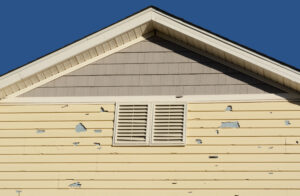
Unlike vinyl, it will not become brittle and crack if hit by a wayward hockey puck or hailstone in extremely low temperatures. For a cold-climate edge, look for “HZ5” engineered products. This is a standard from manufacturers like James Hardie formulated specifically for zones 1 through 5, covering the northern US and Canada, to resist frost damage and snow load better than standard generic fiber cement.
- Performance: It does not expand or shrink much when temperatures change, meaning it won’t buckle or crack even in extreme cold. Because it is a dense, heavy material, it easily resists damage from hail or falling ice.
- Cost: $6 to $13 per sq. ft. installed. (Approx. $12,000–$26,000 for a 2,000 sq. ft. home).
- Maintenance: Repaint every 12 to 15 years; check caulking annually.
- Best For: Maximum durability, homes where you plan to stay 20+ years, and homeowners who want a solid, high-end look.
2. Insulated Vinyl Siding
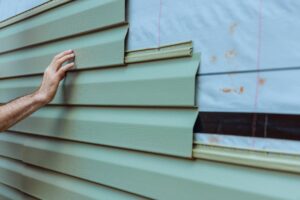
Standard vinyl has a bad reputation for cracking, but insulated vinyl is a different beast entirely. It features a layer of expanded polystyrene (EPS) foam fused to the back of the panel.
- Performance: The foam backing acts as a shock absorber and keeps the vinyl warmer, preventing the brittleness that destroys standard vinyl. It helps the siding resist cracking in deep freezes and adds an R-2 to R-4 insulation value, which can help lower heating bills.
- Cost: $7 to $10 per sq. ft. installed. (Approx. $14,000–$20,000 for a 2,000 sq. ft. home).
- Maintenance: Virtually none. Wash annually if desired.
- Best For: Budget-conscious homeowners who prioritize energy efficiency and want a low-maintenance solution.
3. Metal Siding (Steel and Aluminum)
For homeowners seeking a “set it and forget it” solution, metal siding offers industrial-grade protection with a sleek, modern look.
Steel is incredibly durable and does not absorb moisture, so the freeze-thaw cycle is a non-factor. Modern steel siding often comes with wood-grain textures that mimic log cabins without the rot.
Aluminum is a classic choice that does not rust, but it is softer than steel and can dent if struck by heavy ice or hail. While metal does not become brittle in the cold, it offers zero insulation on its own. It must be installed over high-quality rigid foam insulation to perform well.
- Performance: Metal naturally sheds snow and ice because the surface is smooth, preventing heavy buildup on your walls. It handles extreme temperature swings without warping. Steel is incredibly tough against hail, while aluminum is rust-proof and great for wet areas.
- Cost: Steel runs $7 to $16 per sq. ft.; Aluminum runs $6 to $10 per sq. ft.
- Maintenance: Very low. Occasional washing to keep it looking clean.
- Best For: Modern designs, mountain properties with heavy snow loads, and homeowners who hate maintenance.
4. Engineered Wood Siding
Engineered wood, such as LP SmartSide, consists of wood strands coated in wax and resin binders that are compressed under high heat.
Engineered wood siding offers the look of real wood without the natural flaws. The resins make it highly moisture-resistant and reduce the risk of water absorption that leads to freezing and splitting. It is also lighter and easier to install than fiber cement. It handles impact extremely well even in the cold.
- Performance: It is made of wood strands treated with waxes and resins that resist moisture. This makes it much more stable than natural wood, so it handles the freeze-thaw cycle well without splitting or rotting.
- Cost: $5 to $10 per sq. ft. installed.
- Maintenance: Repaint every 8 to 12 years; check caulking annually.
- Best For: Getting a real wood look at a lower cost than cedar, with less maintenance than raw lumber.
5. Brick/Stone Veneer Siding
Brick veneer is made from fired clay, while stone veneer can be either natural rock or a manufactured concrete aggregate designed to mimic stone textures. Both are attached to the home’s structural frame with a gap for drainage.
These materials provide a timeless, high-end aesthetic that significantly boosts curb appeal and property value. They act as a thermal mass that absorbs heat during the day and releases it slowly at night to help regulate indoor temperatures. They are also naturally fire-resistant and impervious to rotting or insect damage.
- Performance: While the bricks and stones themselves are incredibly durable in cold weather, the system relies on the mortar and proper drainage. If water gets trapped behind the veneer or inside the mortar joints, it can freeze and cause the face of the masonry to flake off, known as spalling. A high-quality water-resistive barrier and weep holes are required to let moisture escape.
- Cost: $12 to $25 per sq. ft. installed. Manufactured stone and brick sit at the lower end, while natural stone sits at the higher end.
- Maintenance: Inspect mortar joints annually for cracks. You typically need to repoint or repair mortar every 15 to 25 years and seal manufactured stone every 3 to 5 years to prevent water absorption.
- Best For: Homeowners seeking a luxury, permanent aesthetic who are willing to pay a higher upfront cost for a material that lasts 50 to 100 years.
Siding Materials to Avoid in Cold Climates
Although most siding products are sold nationwide, not all of them are engineered to withstand the brutal reality of a deep freeze. Local building codes may allow a wide range of products but inherent material limitations make certain siding choices a recipe for failure in the north.
Here are the four materials that struggle the most when winter weather hits.
Why Hire a Licensed Professional
- Licensed & insured — protects you from liability
- Warranty coverage — manufacturers require pro installation
- Code compliance — avoids permit issues
- Faster completion — pros finish in days, not weeks
Standard Grade Vinyl
Standard vinyl becomes notoriously brittle when the thermometer drops. An impact that would bounce off in the summer, such as a hailstone or a stray tree branch, can shatter a frozen vinyl panel instantly. This leaves your home’s siding system compromised and exposes the sheathing to moisture until spring arrives. Note that this applies to budget-grade products and not the thicker and insulated vinyl options engineered for cold climates.
Traditional Wood Siding
Natural wood is porous and absorbs moisture. As that trapped water freezes and expands, it exerts hydraulic pressure that causes boards to warp, crack, and splinter. Keeping wood sealed against winter moisture requires rigorous maintenance that is difficult to perform once the snow starts falling. Unless you are committed to frequent staining and sealing, wood siding maintenance becomes a losing battle in freezing regions.
Traditional Stucco
Stucco performs best in dry and arid climates rather than freezing zones. The rigid surface absorbs water easily. When that water freezes inside the porous material, it expands and forces the stucco to crack and flake away in a destructive process known as spalling. Repairing spalled stucco is expensive and difficult to do correctly in cold weather.
DIY vs. Professional: At a Glance
Aluminum Siding
Aluminum resists rot but struggles with impact damage and energy efficiency. It dents easily from falling ice or heavy hail which can ruin the curb appeal of your home. Metal is also a highly conductive material which means it transfers the outdoor cold directly into your wall studs. This creates a thermal bridge that lowers your home’s overall insulation value and drives up heating costs.
How to Choose the Right Siding for Your Cold Climate Home
Fiber Cement and Steel Siding generally sit at the top of the list for cold-climate durability.
Fiber cement, specifically products engineered for northern zones, offers the best resistance to freeze-thaw damage. Steel siding is the runner-up for sheer indestructibility as it offers resistance to brittleness that plagues other materials when the mercury drops below zero.
When evaluating quotes, weigh these four factors:
- R-Value (Insulation): Do you need the siding to add warmth? If so, prioritize Insulated Vinyl or EIFS.
- Moisture Resistance: Is your area wet or snowy? Avoid porous materials like wood unless you are committed to maintenance. Composite or Steel is safer.
- Impact Resistance: Do you get hail or have active kids? Avoid standard vinyl and aluminum; go for Engineered Wood or Fiber Cement.
- Budget vs. Lifespan: Vinyl is cheapest upfront, but Fiber Cement or Steel will likely last 20 years longer without repair.
Use this list to match your specific needs with the right material.
- For Maximum Durability: Choose Fiber Cement or Steel. Both can last 50+ years with minimal upkeep.
- For Energy Efficiency: Choose Insulated Vinyl or install Metal/Fiber Cement over a layer of rigid foam insulation.
- For Traditional Wood Looks: Choose Engineered Wood for better performance, or Cedar if you are willing to do the maintenance.
- For Budget Priority: Choose Insulated Vinyl. It is the most cost-effective option that still provides good cold-weather protection.
- For Extreme Climates: Choose Fiber Cement, Insulated Vinyl, or Steel. These have proven track records in the harshest winters.
Spring and summer are the busiest seasons for home improvement projects — top-rated contractors book up fast. Lock in your estimate now before demand peaks.
Check Availability in Your Area →Cost Comparison & Lifetime Value
When calculating the cost of siding, you must look beyond the installation quote. In cold climates, energy savings and longevity play a massive role in the true cost.
Material Costs (Per Square Foot Installed)
Cost per Sq. Ft. (Installed)
Prices include material & labor.
*Figures represent standard installation. Complex layouts, removal of old siding, and premium finishes will increase these costs.
| Material | Cost Range |
| Engineered Wood | $5 – $10 |
| Aluminum | $6 – $10 |
| Insulated Vinyl | $7 – $10 |
| Fiber Cement | $6 – $13 |
| Steel | $7 – $16 |
| Cedar | $8 – $14 |
Note on Installation: Installation in northern states often costs 10% to 20% more than in mild areas due to extra weatherproofing requirements (barriers, flashing) and potential weather delays.
The “Lifetime Cost” Factor
A cheaper vinyl job that needs replacement in 20 years ends up costing more than a fiber cement installation that lasts 50 years. Insulated siding that saves money on heating bills every winter can pay for its own upgrade cost within 5 to 10 years.
Installation Matters: Why Cold Climate Homes Require Expert Work
You can buy the most expensive siding on the market, but it will fail if it is not installed correctly.
Ready to Move Forward?
Tell us about your project and get matched with up to 3 pre-screened contractors. Compare quotes, check reviews, and hire with confidence.
Importance of Proper Sealing and Moisture Barriers
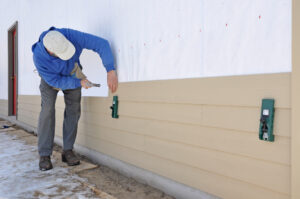
The most important part of a cold climate siding install happens before the siding even goes up. A high-quality water-resistive barrier, or house wrap, acts as the final line of defense against snow and driving rain. This moisture barrier must be taped and sealed perfectly around windows to prevent rot. If these layers are not installed in the correct order, water can get trapped behind the siding and freeze.
Avoiding Gaps That Cause Drafts
Materials shrink when it gets cold, so a professional installer knows exactly how much space to leave between panels. If the siding is nailed too tightly, it will buckle or crack when the temperature drops. On the other hand, wide gaps invite cold air drafts and allow heat to escape. This escaping heat can melt snow on your roof unevenly and lead to ice dams that damage gutters and shingles.
Benefits of Hiring an Experienced Siding Contractor
Experienced contractors understand specific local challenges like wind load requirements and freeze-thaw cycles. They know which fasteners will not rust or pop out when the temperature hits sub-zero. Hiring a local siding expert also ensures that your warranty remains valid and that your home is protected by a system designed to work together.
Conclusion
Selecting the right siding for a cold climate home requires looking beyond curb appeal to focus on the material’s resiliency and energy efficiency. The siding material you choose must stand up to sub-zero temperatures and resist the damaging effects of the freeze-thaw cycle to truly protect your investment.
Fiber cement is often the best all-around choice for durability, while insulated vinyl provides a cost-effective way to boost energy efficiency. If low maintenance is your priority, metal siding is hard to beat. Specialty options like stone veneer offer a luxury aesthetic but require careful attention to drainage.
Work with experienced contractors who understand cold-climate challenges, and don’t cut corners on flashing, weather barriers, or ventilation. A proper installation with high-quality flashing and moisture barriers ensures your home stays warm and protected through decades of harsh winters.
Connect with top-rated local contractors who can help you with siding, roofing, HVAC, windows, and more. Get free quotes from verified professionals in your area today.