

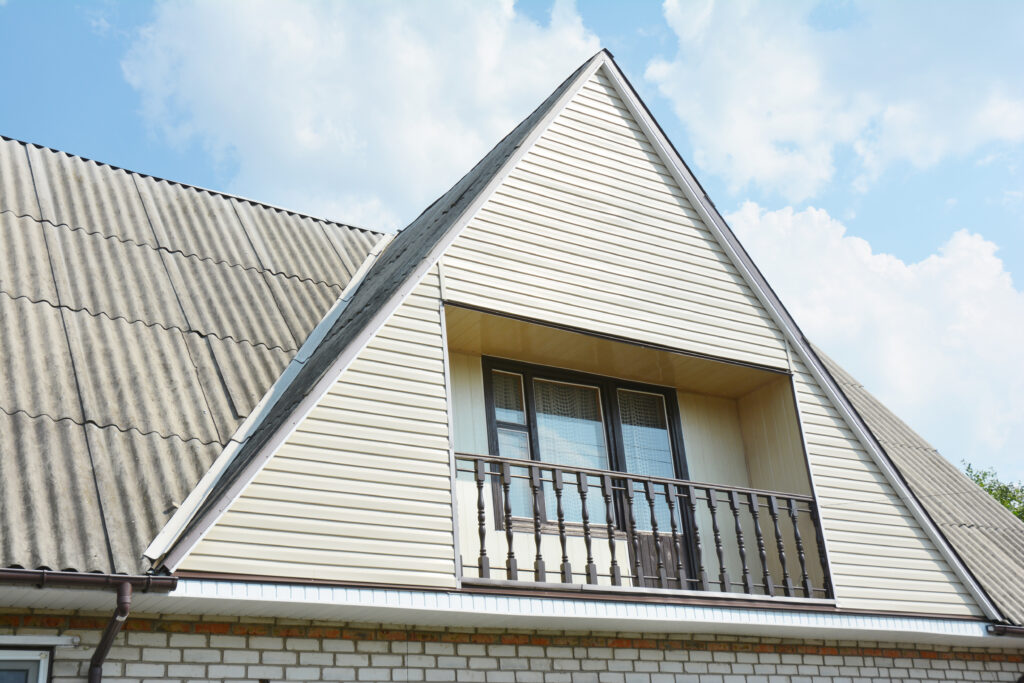
If your home was built before the 1980s, there’s a chance it may have asbestos siding. For many homeowners, that discovery can feel a little alarming, but it doesn’t automatically mean your home is unsafe.
Asbestos siding can be perfectly fine if it’s in good condition and left undisturbed. The key is knowing how to identify it, understand the risks, and make the right call if repairs or removal are needed.
What Is Asbestos Siding?
Asbestos siding was widely used in homes for decades because of its durability and fire resistance. It typically comes in rigid shingles or panels that can resemble slate or wood siding.
Because of its strength and resistance to weather, many homes still have asbestos siding in place today. The issue isn’t the material itself, it’s what happens if it’s disturbed.
Actual costs depend on your location, project scope, and materials. The best way to know what you'll pay is to get quotes from local contractors.
Get Your Free Estimate →How to Identify Asbestos Siding
One of the biggest challenges for homeowners is figuring out whether their siding actually contains asbestos.
A good starting point is your home’s age. If it was built or sided before the late 1970s, asbestos is a possibility. Visually, asbestos siding often appears as flat, shingle-style panels that are dense and slightly brittle.
That said, you can’t confirm asbestos just by looking at it. The only way to know for sure is through professional testing or a certified lab test kit. It’s important not to cut, sand, or break the siding to check, disturbing it is what creates potential health risks.
"We matched with a great contractor the same day. The whole process was easy and completely free."
Is Asbestos Siding Dangerous?
Asbestos becomes dangerous when fibers are released into the air and inhaled. This typically happens when the material is damaged, cut, or disturbed during renovations.
If your siding is intact and in good condition, it’s generally considered low risk. Many homeowners safely live with asbestos siding for years without issues.
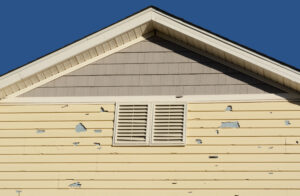
The risk increases when the siding starts to deteriorate or when you plan to drill, cut, or remove it.
Should You Remove or Leave Asbestos Siding?
This is where many homeowners get stuck. The answer depends on your specific situation.
If your asbestos siding is in good condition and you’re not planning major renovations, leaving it in place is often the safest and most cost-effective option. In fact, disturbing it unnecessarily can create more risk than leaving it alone.
If the siding is damaged, crumbling, or interfering with a renovation project, removal may be necessary. Another option is encapsulation, which involves covering the existing siding with new materials. This can improve the look of your home while keeping the asbestos safely contained.
Why Hire a Licensed Professional
- Licensed & insured — protects you from liability
- Warranty coverage — manufacturers require pro installation
- Code compliance — avoids permit issues
- Faster completion — pros finish in days, not weeks
How to Safely Remove Asbestos Siding
When it comes to removal, safety is everything.
For most homeowners, hiring a licensed asbestos abatement professional is the best route. These specialists follow strict safety protocols, use protective equipment, and ensure proper containment and disposal.
While DIY removal is sometimes allowed depending on local regulations, it’s not recommended unless you fully understand the risks and requirements. Proper removal involves protective clothing, respirators, careful handling to avoid breaking the material, and approved disposal methods.
Skipping any of these steps can expose you and others to harmful asbestos fibers.
DIY vs. Professional: At a Glance
Cost to Remove Asbestos Siding
Asbestos siding removal can be a significant investment, but costs vary depending on your home’s size, location, and the complexity of the job.
In general, removal is more expensive than simply covering the siding with new materials. However, it may be necessary if the siding is damaged or if you’re planning a full exterior renovation.
Getting multiple quotes from licensed professionals can help you understand your options and budget accordingly.
What Happens After Removal?
Once asbestos siding is removed, your home will need new exterior protection. This is typically the point where homeowners upgrade to modern siding materials like vinyl, fiber cement, or wood.
It’s also a great opportunity to improve insulation and boost your home’s curb appeal at the same time.
Spring and summer are the busiest seasons for home improvement projects — top-rated contractors book up fast. Lock in your estimate now before demand peaks.
Check Availability in Your Area →Common Mistakes to Avoid
One of the biggest mistakes homeowners make is trying to cut or break asbestos siding without proper protection. This can release harmful fibers into the air.
Improper disposal is another issue. There are strict regulations around how asbestos must be handled and discarded. Ignoring local laws or attempting a shortcut can lead to fines and safety risks.
When in doubt, it’s always safer to bring in a professional.
Ready to Move Forward?
Tell us about your project and get matched with up to 3 pre-screened contractors. Compare quotes, check reviews, and hire with confidence.
How to Prevent Asbestos Exposure
The simplest way to prevent exposure is to avoid disturbing the siding. Regularly inspect it for signs of damage, and address any issues early before they worsen.
If you’re planning exterior work, make sure contractors are aware of the potential presence of asbestos so they can take the proper precautions.
Final Thoughts
Asbestos siding can sound intimidating, but it’s manageable with the right approach. If it’s in good condition, leaving it alone is often the safest choice. If it’s damaged or needs to be removed, working with experienced professionals is key.
By understanding what you’re dealing with and taking the proper steps, you can protect your home and your health while making smart decisions about your exterior upgrades.
Connect with top-rated local contractors who can help you with siding, roofing, HVAC, windows, and more. Get free quotes from verified professionals in your area today.