

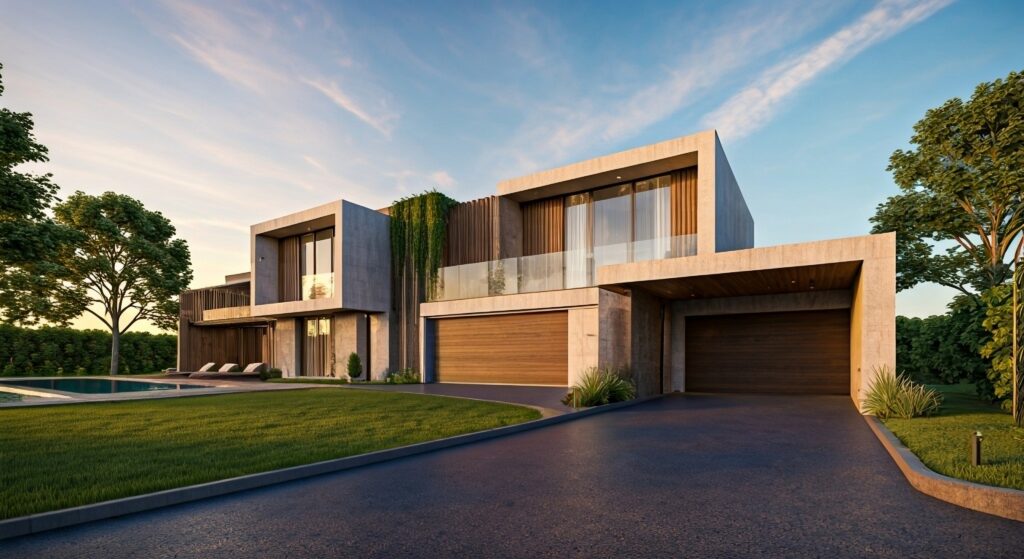
For decades, the standard for home exteriors was uniformity. Most homes featured a single material and one color wrapped around the entire structure. But as architectural tastes evolve, that single-material look is fading. Today, homeowners and architects are embracing texture, depth, and contrast to create homes that stand out.
Mixing siding materials is not just a fleeting trend. It is a design strategy that adds architectural weight and custom character to even the most basic structural forms. Whether you are updating a split-level ranch or building a custom modern farmhouse, blending materials is one of the most effective ways to elevate your curb appeal.
Why Mix Different Siding Materials?
The primary motivation for mixing siding is to create visual interest. A single material can sometimes make a home look flat or boxy. By introducing a second or third material, you break up large facades and highlight specific architectural features.
- Highlighting architecture: You can use a contrasting material to draw the eye to unique features like gables, dormers, or entryways.
- Modernization: Adding a section of horizontal cedar or sleek metal panels can instantly update the look of a dated brick home.
- Texture balance: Siding is no longer just about color; it is about how the light hits the surface. Mixing smooth panels with rough stone creates a dynamic interplay of light and shadow that flat siding cannot achieve on its own.
The Golden Rules for Mixing Materials
To prevent your home from looking busy or disjointed, professional designers follow a few specific guidelines. Sticking to these rules ensures your exterior looks cohesive rather than chaotic.
| Rule | What It Means | Why It Matters |
|---|---|---|
| The Rule of Three | Limit your design to three contrasting materials max. | Ideally, stick to two primary materials and one accent. More than three can look cluttered. |
| The 70/30 Split | One material covers 70% of the home; the other covers 30%. | A 50/50 split often looks indecisive. One material should clearly be the dominant body of the house. |
| Texture Contrast | Pair rough textures with smooth ones. | If one material is rough, the other should be smooth. Two busy textures will clash. |
| Directional Mix | Combine horizontal and vertical lines. | Use horizontal lines to ground the house and vertical lines to create height and lift the eye. |
Best Siding Material Combinations
Current siding trends are shifting toward warm modernism. This style features clean lines softened by natural textures. Here are the top combinations dominating the market.
Actual costs depend on your location, project scope, and materials. The best way to know what you'll pay is to get quotes from local contractors.
Get Your Free Estimate →Fiber Cement and Natural Wood Accents
This pairing has become the defining look for the modern farmhouse aesthetic. It works because it balances durability with organic warmth. The fiber cement provides a fire-resistant and rot-proof shell in colors like crisp white, sage, or charcoal while natural wood accents prevent the home from feeling too sterile. To get this look right, use fiber cement for the main walls and reserve natural wood for high-impact areas like porch ceilings, columns, or a single feature wall around the entryway.
Stone Veneer With Horizontal Lap Siding
While this is a classic traditional pairing, the modern approach has evolved away from using random patches of stone. The current design standard uses stone veneer to create a distinct water table, which involves covering the bottom third of the home or the entire foundation line. The heavy stone visually grounds the house to give it a sense of permanence and strength while the lighter horizontal lap siding above keeps the overall aesthetic from feeling too heavy or fortress-like.
Metal Panels and Cedar Shake
Popular in mountain and coastal regions, this bold combination is perfect for homeowners who want an industrial rustic vibe. It relies on high contrast because you pair the cold and sleek lines of standing-seam metal roofing or siding with the rough and organic texture of cedar shakes. For a thoroughly modern update, look for dark bronze or matte black metal finishes paired with honey-toned wood.
"We matched with a great contractor the same day. The whole process was easy and completely free."
Brick and Board-and-Batten
This combination creates a transitional aesthetic that feels both high-end and custom. The brick provides a timeless base while vertical board-and-batten siding creates a sense of height and modernity. This is an excellent strategy for renovating older brick homes. By keeping the brick on the first floor and replacing the second-floor siding with board-and-batten, you can completely transform the property’s character.
Vinyl Siding With Stone Accents
Vinyl technology has improved massively and allows for budget-friendly designs that mimic luxury homes. The key here is strategic spending. By pairing high-quality insulated vinyl with a stone veneer accent, you can achieve a premium look for a fraction of the overall siding cost. The best strategy is to spend your budget on a stone accent around the front door or garage to create a high-impact focal point, then use cost-effective vinyl for the secondary walls where the texture is less noticeable.
Technical Considerations: Transitions and Flashing
How you transition between different siding materials is the most critical technical aspect of the job. Poor transitions are the number one cause of water leaks and rot in mixed-exterior homes.
Belly Bands
When separating materials horizontally you must use a belly band. This is a horizontal trim board that acts as a visual and physical divider between the two textures. It gives the eye a place to rest while covering the gap between uneven surfaces.
Proper Flashing (Z-Flashing)
A metal Z-flashing must be installed on top of the belly band and behind the upper siding. This ensures that water running down the wall is directed out and over the lower material rather than seeping behind it and causing moisture damage. For more on proper wall moisture management, the Building Science Corporation’s water management guide provides detailed best practices.
Why Hire a Licensed Professional
- Licensed & insured — protects you from liability
- Warranty coverage — manufacturers require pro installation
- Code compliance — avoids permit issues
- Faster completion — pros finish in days, not weeks
Managing Material Depth
You must also be aware of thickness differences. Stone veneer projects out much further than vinyl or fiber cement. You will need build-out trim or thicker casings to ensure the thinner siding does not look like it is sinking behind the stone.
Cost Realities: How Much Does It Cost?
Mixing materials almost always costs more than using a single material. You should plan for a higher budget in three specific areas.
Labor Costs
Expect labor to increase by 20% to 30%. Crews have to switch tools, manage different installation techniques, and detail the complex transitions between materials. This is not a standard siding job because it requires craftsmanship.
DIY vs. Professional: At a Glance
Waste Factor
You will likely have more material waste because you are ordering smaller quantities of two different products rather than bulk ordering one single product. You generally cannot optimize cuts as efficiently as you can with a uniform exterior.
Material Variance
Premium accents like stone or cedar can cost significantly more per square foot than standard vinyl. Even if you only use them on 30% of the home, they can raise the average cost per square foot of the total project noticeably.
Choosing Colors for Mixed Exteriors
The trend is moving toward biophilic design, which focuses on colors derived from nature. Deep charcoal paired with natural wood creates a striking modern contrast. For a softer look, try tone-on-tone where you use two shades of the same color such as light grey siding with dark grey shakes.
For guidance on selecting the right siding colors for your climate, consider how material and color interact with your local weather conditions. You can also explore the latest exterior paint color trends to find complementary accent options.
Spring and summer are the busiest seasons for home improvement projects — top-rated contractors book up fast. Lock in your estimate now before demand peaks.
Check Availability in Your Area →FAQs
Do Mixed Siding Materials Increase Home Value?
Yes, primarily through curb appeal. While specific ROI data varies by region, manufactured stone veneer consistently ranks near the top of industry value reports and often recoups over 90% of its cost. Homes with mixed textures also tend to increase home value by photographing better for real estate listings, which helps them stand out against neighbors with plain exteriors.
Ready to Move Forward?
Tell us about your project and get matched with up to 3 pre-screened contractors. Compare quotes, check reviews, and hire with confidence.
What Is the Best Material Combination for a Modern Farmhouse?
Fiber cement with natural wood accents is the most popular choice for the modern farmhouse look. Use fiber cement as the primary body material in white, cream, or sage, then add natural cedar or stained wood accents around porches, gable ends, or entryways for warmth and contrast.
Can I Mix Siding Materials on a Budget?
Absolutely. The most budget-friendly approach is to use quality vinyl siding as your primary material and add stone veneer accents only in high-visibility areas like the front entry, porch columns, or around the garage. This gives you a premium look while keeping costs manageable. See our pop-on siding cost guide for more on affordable siding options.
How Do I Prevent Water Damage at Material Transitions?
The key is proper flashing installation. Use Z-flashing at every horizontal transition between materials, ensuring water is directed outward and over the lower material. A belly band (horizontal trim board) provides the visual divider while the flashing behind it handles the moisture management. Always hire a contractor experienced with mixed-material exteriors, as this is where poor workmanship causes the most problems.
Conclusion
Mixing siding materials transforms your home’s exterior from ordinary to distinctive. The best designs today balance classic sensibilities with contemporary materials to create a look that feels both timeless and current. Whether you are planning a complete re-siding project or strategically updating your home’s exterior, thoughtful material mixing delivers visual impact and lasting value that single-material approaches simply cannot match.
Consider scheduling a professional design or siding consultation to help you finalize your plan. We also strongly recommend getting quotes from at least three different contractors. This work requires specific skills, and comparing options helps you find a fair price and the right team to execute your vision perfectly. For additional inspiration, explore our guide to the latest home improvement trends.
Connect with top-rated local contractors who can help you with siding, roofing, HVAC, windows, and more. Get free quotes from verified professionals in your area today.