
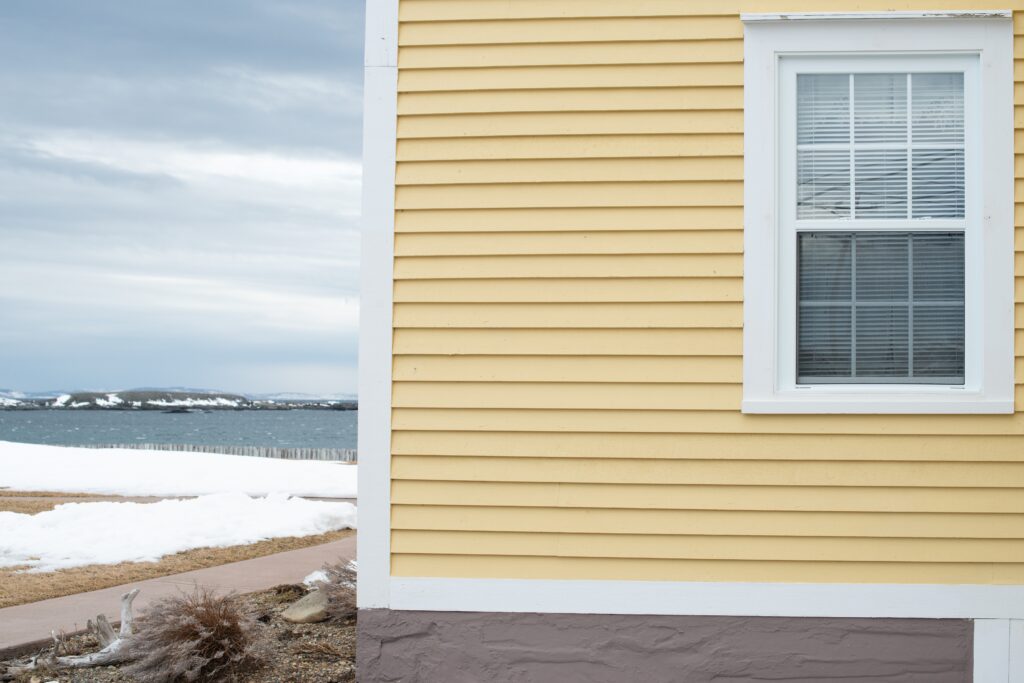
Ice and moisture might not seem like a big deal when you’re thinking about siding, but in cold climates they’re two of the biggest threats to your home’s exterior. When water gets behind siding and freezes, it expands. That freeze-thaw cycle can slowly crack, warp, or loosen siding over time. Left unchecked, it can also lead to hidden problems like rot, mold, and interior water damage.
Many homeowners first notice issues during winter or early spring, when siding starts to look wavy, paint peels, or ice builds up along exterior walls. These problems aren’t just cosmetic. They’re often signs that moisture isn’t draining or drying the way it should. Snow, ice dams, melting runoff, and wind-driven rain all put extra stress on siding during cold weather.
The good news is that most ice and moisture problems are preventable. Choosing the right siding material, making sure it’s installed correctly, and paying attention to moisture control details like flashing and house wrap can make a huge difference. With the right setup, your siding doesn’t just protect your home. It helps keep water out and prevents winter damage before it starts.
How Ice and Moisture Damage Siding
Ice and moisture don’t usually cause damage all at once. Instead, they work slowly and quietly, often behind the scenes, until the problems become hard to ignore.
One of the biggest issues is the freeze–thaw cycle. When snow or rain melts during the day and then refreezes at night, any water trapped near or behind your siding expands as it freezes. Over time, that repeated expanding and contracting puts stress on siding materials. Even small amounts of moisture can cause problems when they freeze again and again.
Another common issue is water infiltration behind the siding. Siding isn’t meant to be completely waterproof. It’s designed to shed water while allowing moisture to drain and dry. When flashing, house wrap, or seams aren’t installed correctly, water can slip behind the siding and get stuck. Once that happens, cold weather turns a minor leak into a bigger issue.
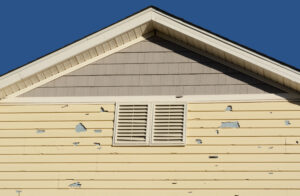
As moisture builds up and freezes, it can lead to expansion, cracking, and warping. Vinyl siding may buckle or loosen, fiber cement can crack, and wood siding may swell or split. These changes often make it easier for even more water to get in, creating a cycle that worsens over time.
The biggest concern is what happens under the siding. Trapped moisture can lead to mold growth, wood rot, and even structural damage to sheathing and framing. These problems aren’t always visible right away, which is why ice and moisture damage can be so expensive if it’s not caught early.
Signs Your Siding Has Ice or Moisture Problems
Ice and moisture issues don’t always announce themselves right away, but there are usually early warning signs if you know what to look for. Catching these problems early can save you from bigger repairs later.
One of the most common red flags is peeling paint or bubbling siding. When moisture gets trapped behind siding, it pushes outward. Paint may start to blister or peel, and some siding materials can look puffy or uneven. This often shows up after winter or during early spring as everything thaws.
You might also notice soft spots or warping when you press on certain sections of siding. Soft or spongy areas can indicate moisture damage underneath, especially with wood or engineered wood siding. Warped or wavy panels are another sign that materials have expanded and shifted due to repeated freezing and thawing.
Another clue is ice buildup along exterior walls. Icicles or sheets of ice forming where they shouldn’t can signal poor drainage or heat loss that’s allowing water to refreeze against the house.
Finally, don’t ignore interior signs. Water stains on walls, peeling interior paint, or a musty smell near exterior walls can all point to moisture problems that started outside. These indoor symptoms often mean water has been getting in for a while and deserves immediate attention.
If you notice one or more of these signs, it’s a good idea to investigate sooner rather than later. Ice and moisture problems tend to grow if they’re left alone.
Siding Materials and Their Moisture Resistance
Not all siding materials handle ice and moisture the same way. Some are better at shedding water, while others rely more on proper installation and maintenance to stay dry, especially in cold climates.
Vinyl siding generally performs well in cold weather when it’s installed correctly. It doesn’t absorb water, which is a big advantage, and it’s designed to allow moisture behind it to drain and dry. That said, vinyl needs room to expand and contract. If it’s installed too tightly or without proper flashing, cold temperatures can cause it to crack or buckle, creating new spots for moisture to sneak in.
Insulated vinyl siding adds another layer of protection. The built-in foam insulation helps keep exterior walls warmer, which reduces temperature swings that lead to freeze–thaw problems. It also improves air sealing, making it harder for cold air and moisture to move behind the siding. For homes in colder climates, insulated vinyl can help minimize both drafts and moisture-related damage.
Fiber cement siding is durable and handles temperature changes better than many materials, but it’s not waterproof. It can absorb moisture if it’s not properly sealed, painted, and flashed. In cold climates, trapped moisture in fiber cement can freeze and cause cracking over time, especially around joints and fasteners. Proper installation and regular maintenance are key.
Wood and engineered wood siding tend to be the most vulnerable to moisture. Wood naturally absorbs water, and repeated freezing and thawing can lead to swelling, splitting, and rot. Engineered wood performs better than traditional wood, but it still needs careful sealing and ongoing maintenance to prevent moisture problems, especially in snowy or wet regions.
Metal siding doesn’t absorb water, but it comes with its own considerations. Cold temperatures can cause metal to expand and contract, which may loosen fasteners or seams over time. Condensation can also form behind metal panels if insulation and ventilation aren’t handled correctly. When properly installed with moisture barriers, metal siding can perform well in cold climates.
Material choice matters, but even the best siding can fail if moisture management and installation details are overlooked.
The Role of Proper Installation in Moisture Prevention
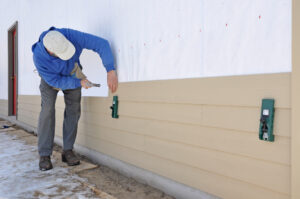
When it comes to preventing ice and moisture problems, how siding is installed matters just as much as the material itself. Even high-quality siding can fail if it’s installed incorrectly.
First, siding needs room to breathe. Most siding systems are designed to shed water, not seal it out completely. That means moisture that sneaks behind the siding needs a way to drain and dry. If siding is installed too tightly or pressed flat against the wall, moisture can get trapped, leading to freeze–thaw damage.
This ties directly into correct fastening and expansion gaps. Materials like vinyl and metal expand and contract as temperatures change. Proper spacing allows panels to move without cracking, buckling, or pulling away from the wall. When fasteners are overdriven or gaps are skipped, siding can warp and create openings where water can get in.
Flashing and trim details are another big deal. Flashing directs water away from vulnerable areas like windows, doors, corners, and rooflines. If flashing is missing, improperly layered, or poorly sealed, water can sneak behind the siding and sit there. Trim pieces also need to be installed carefully so they guide water out.
Finally, there’s the importance of drainage planes and weep paths. Behind the siding, there should be a clear path for water to flow downward and out. Weep holes and drainage gaps allow moisture to escape instead of building up inside the wall. These features often go unnoticed, but they’re critical for long-term moisture protection.
In short, proper installation gives water somewhere to go, which is exactly what prevents ice and moisture from turning into serious damage.
House Wrap, Weather Barriers, and Moisture Control
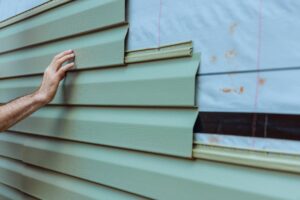
House wrap and weather barriers are some of the most important—but least visible—parts of a siding system. You rarely see them once siding is installed, but they do a huge amount of work when it comes to moisture control.
House wrap protects against moisture by acting as a water-resistant layer behind the siding. It helps block wind-driven rain and snow while still allowing moisture inside the wall to escape. That balance is key, especially in cold climates where trapped moisture can freeze and cause damage.
It’s also important to understand the difference between vapor barriers and weather-resistant barriers. Vapor barriers are designed to control moisture moving through walls from the inside, while weather-resistant barriers (like house wrap) stop water coming from the outside. Using the right barrier in the right place helps walls dry properly instead of trapping moisture where it can cause problems.
Details matter here, too. Taping seams and sealing penetrations keeps water from slipping behind the barrier. Even small gaps can let moisture in, which is why careful sealing makes such a big difference over time.
Ice Dams, Icicles, and Siding Damage
Ice dams and icicles don’t just affect your roof—they can cause real problems for your siding as well. Roof ice dams form when heat escapes from the home, melting snow that then refreezes near the roof edge. That trapped water can back up and spill over onto siding below.
Once water starts running down the exterior walls, it can refreeze in colder areas, leading to freeze-back issues. This creates ice buildup along siding seams, trim, and around windows. Over time, that ice can force water behind siding, loosen panels, and damage trim or flashing.
To help protect siding, prevention is key. Improving attic insulation and ventilation reduces ice dam formation in the first place. Keeping gutters clear ensures meltwater drains properly instead of backing up. Installing proper flashing and drip edges also helps direct water away from siding before it has a chance to refreeze.
How Insulated Siding Helps Prevent Ice and Moisture Issues
Insulated siding adds another layer of defense against cold-weather moisture problems by addressing temperature differences across your walls.
One major benefit is reducing thermal bridging. Thermal bridging happens when heat escapes through wall studs, creating cold spots where moisture is more likely to condense and freeze. Insulated siding helps cover those weak points and keeps wall surfaces more evenly insulated.
This leads to more consistent wall temperatures, which means less melting and refreezing on exterior surfaces. When walls stay warmer, water is less likely to turn into ice that can force its way behind siding.
Insulated siding also offers improved air sealing benefits. Fewer drafts mean less warm air escaping into wall cavities, which reduces condensation and moisture buildup inside the walls. The result is a more comfortable home and less risk of ice- and moisture-related siding damage.
Together, these benefits make insulated siding a strong option for homeowners in colder climates looking to prevent long-term moisture issues.
Preventing Moisture Problems Around Windows and Doors
Windows and doors are some of the most common places for moisture problems to start, simply because they interrupt the siding system. Anytime you cut an opening in a wall, there’s potential for water to sneak in if the details aren’t done right.
Common failure points include the top of windows and doors, corner joints, and areas where trim meets siding. If flashing is missing or installed incorrectly, water can run behind the siding instead of being directed away from the opening.
That’s why proper flashing and caulking matter so much. Flashing should be layered correctly so water always sheds outward, not inward. Caulk should be used to seal gaps, not as a substitute for flashing. High-quality, exterior-grade caulk around trim joints helps keep water out, but it needs to be maintained over time.
Be on the lookout for signs of hidden water intrusion. Stains around window frames, peeling paint, soft trim, or a musty smell near windows and doors can all point to moisture getting in behind the siding. Catching these issues early can prevent much larger repairs down the road.
Maintenance Tips to Prevent Ice and Moisture Damage
Even the best siding system needs a little upkeep, especially in areas with cold winters. Regular maintenance goes a long way in preventing ice and moisture problems.
Start with seasonal inspections, especially before and after winter. Walk around your home and look for loose panels, damaged trim, cracked caulk, or areas where siding looks uneven.
Cleaning gutters and downspouts is another big one. When gutters are clogged, water spills over and runs directly down siding, increasing the risk of ice buildup and moisture intrusion. Make sure downspouts direct water well away from the foundation.
Pay attention to snow and ice around exterior walls. Try to keep heavy snow from piling up against siding, especially near basement walls. As it melts and refreezes, it can push moisture into places it shouldn’t be.
Finally, stay on top of caulking and sealant upkeep. Exterior caulk doesn’t last forever. If you see cracking, shrinking, or peeling, it’s time to reapply. A small tube of caulk can prevent big moisture problems.
When Ice and Moisture Damage Requires Siding Repair or Replacement
Not every moisture issue means you need all-new siding, but knowing when to repair versus replace can save you money in the long run.
Spot repairs are often enough if the damage is limited to a small area, like a cracked panel or loose trim, and the underlying structure is still sound. These fixes are usually quicker and more affordable.
However, replacement may be the better option if damage is widespread, recurring, or if moisture has reached the sheathing or framing beneath the siding. Signs like ongoing warping, rot, mold, or multiple failing sections often point to a bigger problem.
The biggest risk is delaying repairs. Ice and moisture damage tends to get worse over time, not better. What starts as a small leak can turn into structural repairs, mold remediation, and higher costs if it’s ignored. Taking action early helps protect both your siding and the rest of your home.
Preventing Ice and Moisture Problems FAQs
Does siding prevent ice dams?
Not directly. Ice dams usually start at the roof due to heat escaping from the home, but siding can be affected by the runoff they create. When ice dams form, melting water can spill over onto exterior walls and refreeze against the siding. Proper siding installation, flashing, and drainage help protect your walls from that water, but preventing ice dams themselves usually involves attic insulation, ventilation, and roof maintenance.
Is insulated siding worth it in cold climates?
For many homeowners, yes. Insulated siding helps keep exterior walls warmer, reduces temperature swings, and improves air sealing. All of that can lower the chances of condensation, freeze–thaw damage, and drafts. While it costs more upfront than standard siding, the added comfort, energy efficiency, and moisture protection can make it a solid investment in colder regions.
Can moisture get behind vinyl siding?
Yes, and that’s actually by design. Vinyl siding is meant to shed water, not seal it out completely. The key is making sure any moisture that gets behind it can drain and dry properly. When house wrap, flashing, and installation details are done correctly, moisture behind vinyl siding isn’t a problem. Issues arise when water gets trapped with no way out.
How often should siding be inspected?
A quick visual inspection once or twice a year is usually enough for most homes, especially before and after winter. You should also check siding after major storms or heavy snowfalls. Looking for loose panels, cracks, or signs of moisture early can help prevent bigger problems later.
Final Thoughts: Protecting Your Home From Ice and Moisture Damage
Preventing ice and moisture problems comes down to a few key ideas: choosing the right siding, installing it correctly, managing water flow, and keeping up with basic maintenance. Small steps like sealing gaps, cleaning gutters, and inspecting problem areas can make a big difference over time.
It’s also important to remember that siding is just one part of a whole-home moisture strategy. Roof insulation, ventilation, windows, doors, and drainage all work together to keep water outside of your home.
If you’re seeing recurring moisture issues, visible damage, or aren’t sure what’s causing the problem, it may be time to consult a siding professional. A proper evaluation can help catch hidden issues early and make sure your home stays protected through every winter season.

Anna has over six years of experience in the home services and journalism industries and serves as the Content Manager at MyHomePros.com, specializing in making complex home improvement topics like HVAC, roofing, and plumbing accessible to all. With a bachelor’s degree in journalism from Auburn University, she excels in crafting localized, comprehensive guides that cater to homeowners’ unique needs. Living on both coasts of the United States has equipped her with a distinctive perspective, fueling her passion for turning any house into a cherished home through informed, personalized decision-making.
Connect with top-rated local contractors who can help you with siding, roofing, HVAC, windows, and more. Get free quotes from verified professionals in your area today.