
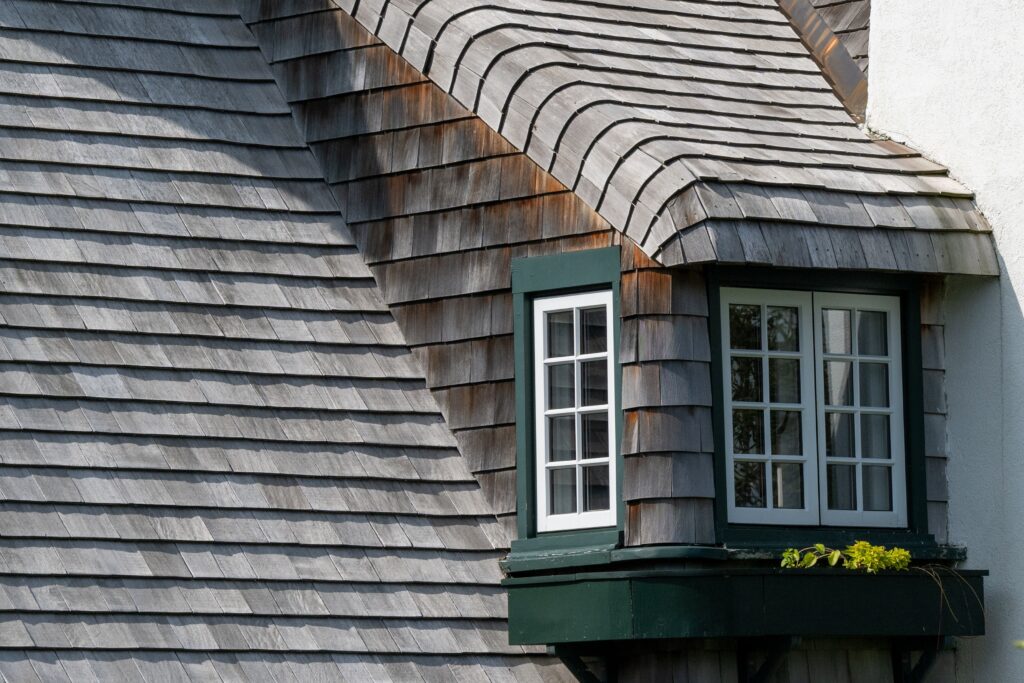
Shake and shingle siding offers a textured appearance that adds depth and visual interest to a home’s exterior. Each piece varies slightly in grain and thickness, creating natural shadow lines and a subtle sense of dimension. The style is common on Cape Cod, Craftsman, and coastal homes and is also used as an accent on modern designs.
The choice between shakes and shingles depends on your preferred look, the style of your home, and how much maintenance you plan to handle. Shakes have a thicker, rougher texture with a more natural appearance, while shingles are thinner, smoother, and more uniform.
This guide explains the key differences between shake and shingle siding, including materials, styles, installation methods, and costs, to help you choose the right option for your home and budget.
What’s the Difference: Shake vs. Shingle?
Before comparing materials, it helps to decide which look you prefer — rustic or refined. The main difference between shake and shingle siding comes from how they were traditionally made, which directly affects their texture and appearance.
- Shake siding is split from wood blocks, often by hand, following the natural grain. This process gives each piece a thicker, more irregular surface with deep grooves and shadow lines that create a rugged, handcrafted look.
- Shingle siding is sawn rather than split, resulting in pieces that are smooth, flat, and consistent in size and shape. The uniform profile gives homes a neat, refined appearance with clean lines and subtle texture.
For natural wood siding, these definitions are strict. However, modern versions made from vinyl, fiber cement, or engineered wood often blur the line. In these materials, “shake” generally refers to a textured, rustic style, while “shingle” describes a more even, tailored design.
Popular Shake Siding Styles
If you prefer a natural, textured appearance, shake siding is the way to go. Its uneven surfaces and deep shadow lines create a sense of depth and character that feels handcrafted and organic. Here are the most common styles you’ll see:
Straight-Edge Shake
Straight-edge shakes combine the rustic texture of wood grain with a clean, even bottom edge. This creates a balanced look that adds texture without overwhelming the design. It’s a great fit for traditional, cottage, or coastal-style homes.
Staggered-Edge Shake
Staggered-edge shakes have uneven bottom edges that give them a casual, handcrafted appearance. They’re often used on Craftsman, mountain, or cabin-style homes to emphasize warmth and character.
Hand-Split Texture
Hand-split shakes feature deep, irregular grooves that mimic the look of wood split by hand. This style offers the most dramatic texture and adds a strong visual impact to any exterior.
Popular Shingle Siding Styles (The Refined Look)
If you prefer a clean, uniform, and polished appearance, shingle siding is the best choice. Defined by smooth surfaces and consistent shapes, shingle styles create a tailored look that suits both traditional and modern homes.
Straight-Cut Shingles
Straight-cut shingles, often called “perfection shingles,” are precisely milled and smooth on all sides. They are installed in even rows for a crisp, orderly finish that defines classic Cape Cod, Colonial, and coastal architecture.
Scalloped Shingles
Also known as “fish scale” shingles, scalloped styles feature rounded edges that form graceful, repeating curves. They’re typically used as accents on gables, dormers, or upper walls to add charm and detail. These are perfect for Victorian, Queen Anne, or cottage-style homes.
Half-Cove and Octagonal Shingles
Half-cove and octagonal shingles are decorative variations that add visual interest and architectural flair. Used sparingly, they turn small areas like gables or entryways into elegant focal points, especially on historic or vintage-inspired homes.
Best Materials for Shake and Shingle Siding
Choosing the right material is about finding the right balance between authenticity, cost, and long-term durability. Each siding type has its own strengths and trade-offs, so the best option depends on your budget, maintenance preferences, and the look you want to achieve.
Natural Cedar
Cedar is the traditional choice and remains the benchmark for shake and shingle siding. It delivers an unmistakably authentic look with natural wood grain, texture, and warmth that synthetic options can only imitate. Western Red Cedar, in particular, resists rot, decay, and insects naturally.
However, cedar requires regular care to maintain its beauty and prevent damage. It must be cleaned and re-stained or sealed every 3 to 7 years to protect it from moisture and UV exposure, which can cause warping or rot.
Lifespan: 20–40 years with proper maintenance
Best for: Homeowners who value authenticity and craftsmanship and are willing to invest time and money in upkeep
Vinyl
Vinyl offers an affordable, low-maintenance alternative that’s easy to clean and resistant to rot, moisture, and insects. It’s available in a wide variety of colors and styles, including convincing wood-look textures.
The trade-off is appearance and performance under extreme temperatures. Vinyl can look less natural than real wood and may warp in high heat or become brittle in severe cold.
Lifespan: 20–40 years
Best for: Budget-conscious homeowners who want the shake or shingle look with minimal maintenance
Fiber Cement
Fiber cement is made from cement, sand, and cellulose fibers, creating one of the most durable siding materials available. It’s highly resistant to fire, pests, and weather, and modern manufacturing techniques allow it to mimic the appearance of natural wood with remarkable accuracy.
It is, however, heavier and more difficult to install, which raises labor costs. Still, its longevity and low maintenance needs make it an excellent long-term investment.
Lifespan: 50–100+ years
Best for: Homeowners who want a realistic wood look and are willing to pay more upfront for long-lasting performance and low maintenance
Engineered Wood
Engineered wood blends natural wood strands with resins and binders to create a product that looks like real wood but is more resistant to moisture and insects. It’s also lighter than fiber cement, which makes it easier and faster to install.
The main drawback is moisture sensitivity—if seams or joints aren’t properly sealed, water can penetrate the core and cause swelling or rot.
Lifespan: Around 30 years
Best for: Homeowners who want the natural appearance of wood at a lower cost than fiber cement, with moderate maintenance requirements
Comparative Analysis of Siding Materials
The total cost of shake and shingle siding depends on the material, installation complexity, and local labor rates. Shake siding offers a more textured, natural appearance, while shingle siding provides a smoother, more uniform look. Both are available in natural wood or lower-maintenance materials like vinyl and fiber cement.
Average Installed Costs (per square foot)
| Material | Shake Siding Cost | Shingle Siding Cost |
| Natural Cedar | Approx. $7–$16 per sq. ft. | Approx. $6–$15 per sq. ft. |
| Vinyl | Approx. $4–$10 per sq. ft. | Approx. $4–$10 per sq. ft. |
| Fiber Cement | Varies by manufacturer, generally between vinyl and natural wood. | Approx. $6–$10 per sq. ft. |
Installation and Maintenance Comparison
| Factor | Natural Cedar | Vinyl | Fiber Cement |
| Installation Complexity | More difficult due to irregular, individual pieces. Labor time and cost are higher. | Easier to install since panels come pre-assembled. | Heavier and more brittle, requiring specialized tools and careful handling. |
| Maintenance Effort | High. Requires cleaning every 2–4 years and re-staining or repainting every 3–7 years. | Very low. Resistant to moisture and pests, only needs occasional cleaning. | Low. Resists rot and insects, but finish may need repainting over time. |
| Maintenance Cost | Re-staining or repainting costs $1.50–$4.00 per sq. ft. Repairs are straightforward for individual shakes or shingles. | Minimal. No painting required, but replacing full panels can be more complex. | Moderate. Repainting adds some cost, but overall maintenance is less than natural wood. |
ROI and Home Value Benefits
Replacing old siding is one of the most valuable exterior upgrades a homeowner can make. It enhances curb appeal, improves insulation, and protects the home’s structure from weather and pests.
- Boosts curb appeal: New siding dramatically improves appearance, helping your home stand out in the neighborhood.
- Increases resale value: A 2023 report found that new vinyl siding can return up to 95% of its cost, while fiber cement siding offers about 89% ROI.
- Improves energy efficiency: Properly installed siding helps insulate your home, reducing heating and cooling costs.
- Protects your home: Quality siding shields against moisture and pests, helping prevent long-term structural damage.
DIY vs. Pro: Why Professional Installation Matters
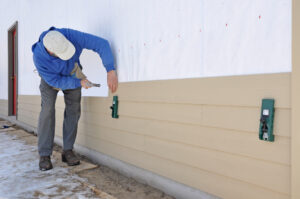
For shake and shingle siding, professional installation is a necessary part of the process. It ensures the siding is properly aligned, sealed, and secured so the system performs as intended and lasts as long as possible.
DIY
The main advantage of a DIY siding installation is the potential savings on labor costs. However, the downsides are considerable. Siding installation is physically demanding and technically complex, making it one of the most difficult home projects to do correctly. The risk of costly mistakes is high.
Common DIY errors include:
- Improper Nailing: Nailing too tightly, which prevents the panel from expanding and contracting with temperature changes, causing buckling.
- Ignoring Expansion Gaps: Vinyl, in particular, must have room for siding expansion gaps, or it will warp and buckle as it heats up.
- Poor Flashing: Failing to properly install flashing around windows is a critical error that essentially creates a funnel for water to get behind your siding and into your wall.
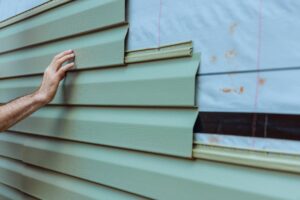
- Skipping the Weather Barrier: The house wrap (WRB) is a non-negotiable layer of defense that is often overlooked by amateurs.
Professional Installation
Professional installation helps prevent long-term structural issues by ensuring every component is properly sealed and aligned. Incorrect installation can allow water to seep behind the siding, leading to mold, wood rot, and expensive repairs. Proper installation also ensures the siding performs as intended, providing strength against wind and weather while maintaining a clean, consistent appearance that enhances your home’s exterior.
Most siding warranties, whether 30 years or 50 years, require the product to be installed according to the manufacturer’s exact specifications. If not, the warranty may be void. Since installation mistakes are the most common cause of siding failure, hiring a qualified professional is the best way to safeguard your investment and ensure lasting protection.
When to Repair vs. Replace
Deciding when to repair or replace is a cost-benefit analysis.
- Repair: Repairing your siding is the best option if the damage is localized, such as a few cracked panels from a storm. It’s also appropriate if the siding is relatively new and in good structural condition.
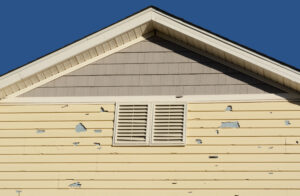
- Replace: A full replacement is necessary if the damage is widespread, your siding is past the 15–20 year mark, or you see signs of siding damage. Choosing between siding replacement vs. repair is a common dilemma if repairs become frequent.
Shake vs Shingle Siding: Which Is Right for You?
Choosing between shake and shingle siding depends on your preferred aesthetic, home style, and long-term maintenance goals. The main difference lies in how they are made and how they look. Shakes are hand-split for a rugged, textured appearance, while shingles are machine-sawn for a more uniform, refined finish.
Aesthetic Differences
Shingle siding is precisely milled to create uniform pieces that are consistent in size, thickness, and shape. The result is a smooth, clean surface with a neat, orderly look that feels tailored and polished.
Shake siding is thicker and either hand-split or taper-sawn, giving each piece a natural variation in texture and depth. The irregular surface creates strong shadow lines and a more three-dimensional, rustic appearance that emphasizes character and craftsmanship.
Style Match for Home Type
Shingle siding complements a wide range of architectural styles, including Cape Cod, Victorian, Colonial, and coastal designs. Its clean lines also pair well with modern and transitional homes.
Shake siding brings warmth and texture to designs such as Craftsman, ranch, and traditional-style homes, as well as cottages and cabins. It is also frequently used as an accent material on gables or dormers to add visual interest and contrast.
Where to Use Shake and Shingle Siding
The best designs often mix materials and textures to create a balanced, high-end look. You can use shakes and shingles in two main ways.
1. As a High-Impact Accent
Using shakes as an accent is the most common modern application. Siding is used in small, high-impact areas to break up large expanses of horizontal lap siding.
- Gables: Gables are the most popular accent location. Placing shakes in a gable adds visual interest to your home’s highest point by breaking up what is often a large, flat, triangular wall.
- Dormers: Shingles are traditionally used on dormers, especially on Cape Cod and Craftsman homes. Architecturally, this application gives the dormers a distinct, ‘wrapped’ appearance that separates them from the main roof.
- Entryways and Accent Walls: Using shakes on a “bump-out” wall, such as the area around your front door, creates a powerful focal point that draws the eye.
2. As Full-House Coverage
Using a single shake or shingle texture for the entire exterior is a complete architectural statement that defines the home’s style.
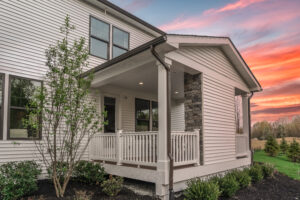
- Coastal and Cape Cod: Coastal and Cape Cod styles are the origin of shingle siding. The traditional application is full-house coverage of straight-cut shingles to create a unified, “seaside” look.
- Craftsman: Craftsman style is defined by “handcrafted woodwork”. Staggered-edge or hand-split shakes are the perfect complement, often used in gables or on the entire second story above a stone or brick base.
- Cottage and Cabin: Cottage and cabin styles rely on a “cozy” or “rustic” aesthetic. Full-body application of rustic shakes is the ideal choice to create this “lodge feel”.
Budget and Long-Term Performance
| Feature | Shingle Siding | Shake Siding |
| Initial Cost | Typically more affordable, especially when using vinyl or other synthetic materials. | Generally higher due to the labor-intensive manufacturing and installation process. |
| Installation | Faster and easier to install thanks to uniform size and shape, which can lower labor costs. | More time-consuming to install because of the irregular pieces, which increases labor costs. |
| Durability | Durable when properly maintained but generally thinner than shakes. | Thicker and more impact-resistant, offering slightly better insulation and weather protection. |
| Maintenance | Requires regular upkeep if made of natural wood, including repainting or restaining every few years to prevent rot or insect damage. Synthetic versions need only periodic cleaning. | Requires similar maintenance if made of wood, but synthetic options such as vinyl or fiber cement are low-maintenance. |
| Longevity | Wood shingles can last for decades with proper care. | Wood shakes may last slightly longer due to their thickness and installation with underlayment that improves moisture protection. |
Conclusion
Shingle siding offers a smooth, classic look that suits a wide range of homes and often comes with a lower upfront cost. Shake siding provides a more natural, textured appearance with rich depth and character, though it typically requires a higher investment and more maintenance.
Both options can add lasting appeal and value to your home when chosen and installed with care. Start by comparing samples in natural light, then select the material that best matches your budget, style, and long-term maintenance preferences.
For lasting performance and proper weather protection, have your siding installed by a licensed professional. Expert installation ensures your investment is protected and your home stays beautiful for years to come. Get free estimates from local siding professionals today to explore materials and find the best fit for your home.

Anna has over six years of experience in the home services and journalism industries and serves as the Content Manager at MyHomePros.com, specializing in making complex home improvement topics like HVAC, roofing, and plumbing accessible to all. With a bachelor’s degree in journalism from Auburn University, she excels in crafting localized, comprehensive guides that cater to homeowners’ unique needs. Living on both coasts of the United States has equipped her with a distinctive perspective, fueling her passion for turning any house into a cherished home through informed, personalized decision-making.
Connect with top-rated local contractors who can help you with siding, roofing, HVAC, windows, and more. Get free quotes from verified professionals in your area today.