
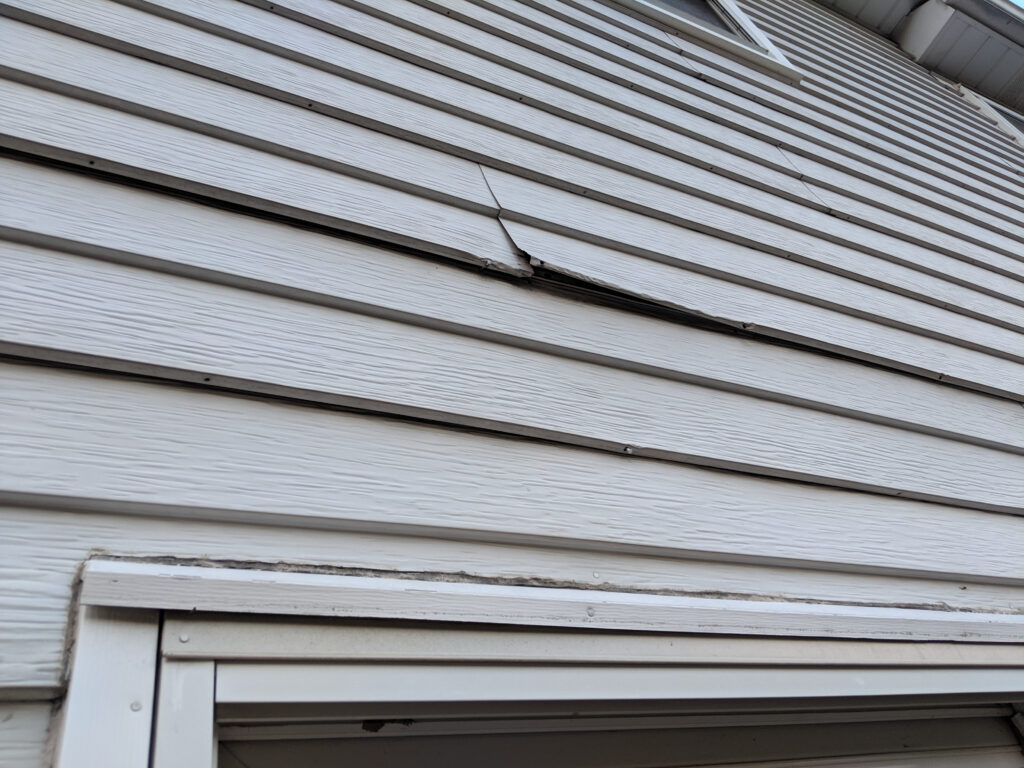
Siding isn’t something most homeowners think about until something looks obviously wrong. But by the time siding damage becomes noticeable, it’s often been developing for months.
Your siding acts like armor for your home. It protects the framing, insulation, and interior walls from moisture, pests, wind, and extreme temperatures. When it starts to fail, the damage doesn’t stay contained to the outside.
Let’s walk through the most common siding problems, what causes them, and how to know when it’s time to take action.
Why Siding Problems Should Never Be Ignored
It’s easy to assume a small crack or loose panel is “just cosmetic.” In reality, siding problems are rarely just about appearance.
When siding is compromised, moisture can slip behind it. That moisture doesn’t dry quickly once it gets trapped inside a wall cavity. Over time, it can:
- Rot wood framing
- Damage insulation
- Cause mold growth
- Weaken structural components
- Increase heating and cooling costs
What starts as a $500 siding repair can quietly turn into a multi-thousand-dollar structural repair if ignored. The key is early detection.
Cracks, Warping, and Buckling
One of the most common siding problems homeowners notice is cracking or warping.
Vinyl siding, in particular, expands and contracts with temperature changes. If it wasn’t installed correctly (for example, nailed too tightly), it can buckle when it expands in hot weather. In colder climates, it may crack if it becomes brittle with age.
Warping can also indicate trapped moisture behind the siding. When water builds up, it can push panels outward or cause them to shift.
Even small cracks matter. They may look harmless, but they create entry points for rain and pests. Over time, that water works its way behind the siding and into the wall system.
If damage is isolated to one section, a repair is often possible. But if you’re seeing widespread buckling or cracking, especially on older siding, it may signal the material is reaching the end of its lifespan.
Loose or Missing Siding Panels
After a heavy storm, it’s smart to walk around your home and look for loose or missing siding panels.
High winds can pull panels free, especially if they were already slightly loose or aging. Once a panel detaches, the exposed section of wall becomes vulnerable to wind-driven rain. Even a short rainstorm can push water deep into the wall cavity.
You might also hear rattling during windy days. That’s often an early sign that siding is loosening.
This type of siding damage is commonly covered by homeowners insurance if it was caused by wind or hail. But you’ll need documentation and prompt reporting to support a claim.
Mold, Mildew, and Rot
Dark streaks on siding can be as simple as surface mildew, which is fairly common in humid climates. However, soft or spongy areas are a more serious concern.
Wood siding is particularly vulnerable to rot if moisture isn’t managed properly. Once wood absorbs water repeatedly, it begins to break down. The damage can spread into sheathing and framing underneath.
Signs you may have deeper moisture issues include:
- Bubbling paint
- Persistent musty odors indoors
- Peeling caulk around windows and doors
- Soft trim boards
The longer moisture remains trapped, the more structural damage it can cause. If you suspect rot, it’s important to address it quickly before it spreads.
Bubbling or Blistering Paint
Paint doesn’t bubble without a reason.
When siding paint starts to blister or peel, it usually means moisture is trying to escape from underneath. This often happens when caulking fails or flashing around windows and doors isn’t functioning properly.
Simply repainting over bubbling paint won’t solve the problem. The underlying moisture source must be identified and corrected first. Otherwise, the issue will return.
Pest and Termite Damage
Small gaps or cracks in siding create perfect entry points for pests. Termites, carpenter ants, and other insects are drawn to damp wood.
If siding sounds hollow when tapped or you notice tiny holes and fine debris that looks like sawdust, pests may already be active.
Unfortunately, pest-related siding problems often signal moisture problems too. Termites are attracted to damp conditions, so their presence may point to hidden water damage.
A professional inspection can determine whether you’re dealing with surface damage or something deeper inside the walls.
Fading and UV Damage
Sun exposure gradually breaks down siding materials, especially vinyl.
Fading alone is usually cosmetic. But if the siding feels brittle, chalky, or begins cracking along with discoloration, it may be nearing the end of its useful life.
In high-UV regions, siding can age faster than expected. What looks like simple fading could indicate the material is weakening.
Siding Problems by Material Type
Different siding materials fail in different ways.
Vinyl siding tends to crack in cold weather and buckle in extreme heat. It can also melt if intense reflected sunlight hits it from energy-efficient windows nearby.
Wood siding requires consistent maintenance. Without regular painting or sealing, it absorbs moisture and becomes vulnerable to rot and termites.
Fiber cement siding is durable but depends heavily on proper installation. Gaps at seams or failing caulk joints can allow water intrusion.
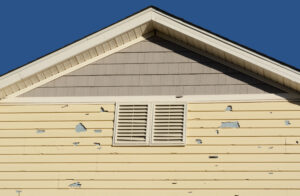
Metal and aluminum siding are resistant to rot but can dent easily from hail. Over time, oxidation may develop if protective coatings wear down.
Understanding your siding material helps you recognize normal aging versus a developing problem.
Warning Signs of Hidden Siding Damage
Not all siding problems are visible from the outside.
If you notice rising energy bills, it may indicate insulation has been compromised due to water intrusion. Interior wall stains, peeling paint inside, or musty smells can also signal moisture behind siding.
Sometimes homeowners discover siding problems only after noticing soft drywall or unexplained mold growth indoors.
If something feels “off,” it’s worth investigating further.
When to Repair vs. Replace Your Siding
Deciding between siding repair and replacement depends on a few factors.
If damage is limited to one area and the siding is relatively new, repairs are usually sufficient. Matching materials may be the biggest challenge.
However, if siding is 20 or more years old, shows widespread cracking, or has recurring moisture issues, replacement may be the smarter long-term investment.
Replacement can also improve energy efficiency and boost curb appeal, which matters if you’re thinking about resale.
How to Prevent Common Siding Problems
Preventative maintenance is much cheaper than major repairs.
Inspect your siding at least once a year and after major storms. Keep gutters clean so water doesn’t overflow down exterior walls. Trim landscaping so plants don’t trap moisture against siding.
Check caulking around windows and doors regularly. If you notice gaps, reseal them before water gets in.
Even simple steps like gentle cleaning once a year can help extend siding lifespan.
How Much Do Siding Repairs Cost?
Siding repair costs vary depending on material and severity.
Minor repairs may cost a few hundred dollars. Replacing a damaged section could range from $1,000 to several thousand. Full siding replacement typically ranges from $8,000 to $25,000 or more, depending on the size of your home and the material chosen.
If structural damage exists underneath, costs increase.
The earlier you address siding problems, the less likely you’ll face major expenses.
Does Homeowners Insurance Cover Siding Damage?
Insurance typically covers sudden and accidental damage like wind, hail, or fire.
It does not usually cover gradual wear and tear or lack of maintenance.
If you suspect storm-related siding damage, document it with photos immediately and contact your insurance company to review your coverage.
Final Thoughts
Siding problems rarely improve on their own. Most start small and become expensive only when ignored.
The good news is that early detection makes a huge difference. A simple repair now can prevent serious structural damage later.
Take a few minutes this season to walk around your home. Look closely. Small cracks, loose panels, or signs of moisture are worth addressing before they turn into something much bigger.

Anna has over six years of experience in the home services and journalism industries and serves as the Content Manager at MyHomePros.com, specializing in making complex home improvement topics like HVAC, roofing, and plumbing accessible to all. With a bachelor’s degree in journalism from Auburn University, she excels in crafting localized, comprehensive guides that cater to homeowners’ unique needs. Living on both coasts of the United States has equipped her with a distinctive perspective, fueling her passion for turning any house into a cherished home through informed, personalized decision-making.
Connect with top-rated local contractors who can help you with siding, roofing, HVAC, windows, and more. Get free quotes from verified professionals in your area today.