

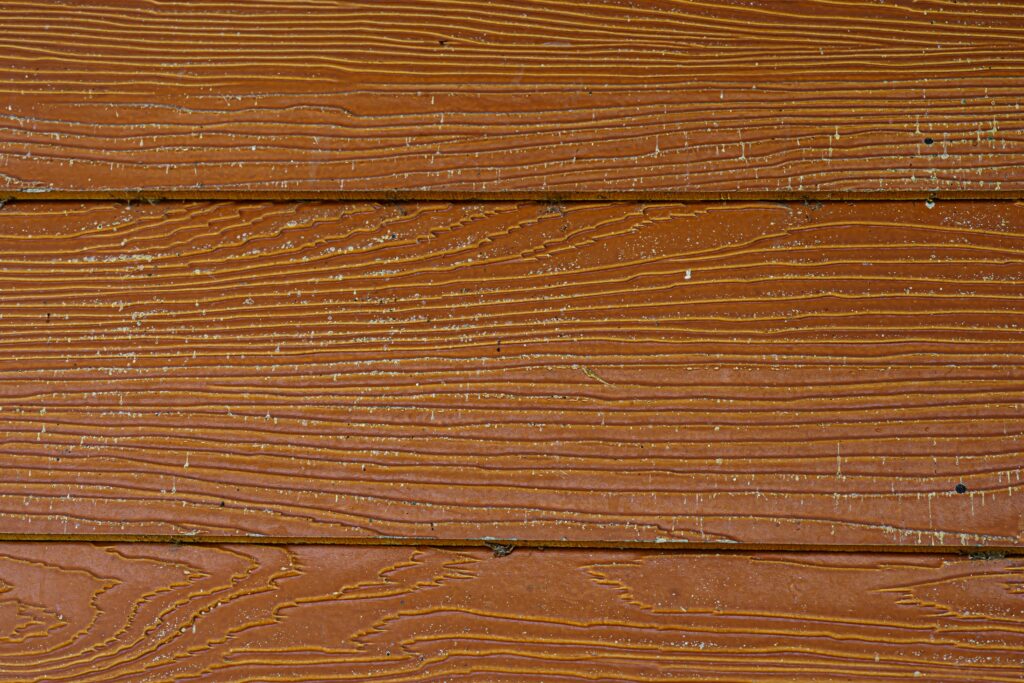
Unlike real wood siding that requires repainting or restaining every three to five years, textured fiber cement panels maintain their appearance with minimal upkeep for decades. Major manufacturers like James Hardie, Nichiha, Allura, and SilvaWood have developed sophisticated texturing processes that capture the natural variation and depth of wood grain, making fiber cement a compelling alternative for homeowners who want authentic aesthetics backed by modern performance.
Textured fiber cement siding panels that replicate the look of natural wood cost between $5 and $15 per square foot installed, offering homeowners the warmth and character of wood siding without the intensive maintenance.
For a typical 1,500-square-foot home exterior, expect to invest $10,000 to $25,000 for materials and professional installation. These engineered panels feature embossed wood grain patterns that closely mimic cedar, redwood, and other popular wood species, while providing superior durability against moisture, pests, and fire.
How Wood-Look Textures Are Created
Modern fiber cement siding achieves its realistic wood appearance through precision manufacturing processes.
The base material combines Portland cement, sand, water, and cellulose fibers derived from wood pulp. During production, panels are pressed against textured molds that imprint authentic wood grain patterns into the surface before the cement cures. This embossing process captures the subtle ridges, knots, and natural irregularities found in real lumber.
Factory-applied finishes enhance the wood-like appearance through multi-tone staining techniques.
Companies like Fisher Coating’s TrueGrain Series apply proprietary two-tone color combinations that add depth and tonal variation similar to professionally stained natural wood. These factory finishes are baked on at high temperatures, providing consistent color from panel to panel while eliminating the variability that comes with field-applied stains on real wood.
Popular Wood-Grain Textures
The most common texture option is the Cedarmill finish, which replicates Western red cedar’s soft, linear grain pattern. Other options include smooth finishes for contemporary applications, stucco-look panels, and rustic grain patterns that emulate hand-hewn lumber.
For more design inspiration, explore trending siding colors that complement wood-grain textures.
Leading Brands and Product Lines
Several manufacturers dominate the textured fiber cement market, each offering distinct wood-look products. Understanding the differences helps you select the right option for your home’s architectural style and performance requirements.
Actual costs depend on your location, project scope, and materials. The best way to know what you'll pay is to get quotes from local contractors.
Get Your Free Estimate →James Hardie
Market leader offering Select Cedarmill texture across HardiePlank, HardiePanel, and HardieShingle products. ColorPlus Technology provides 700+ factory-applied colors. Products are Engineered for Climate with a 30-year non-prorated warranty.
Nichiha
VintageWood panels feature finely embossed grain with colors like Bark, Cedar, Redwood, and Ash. Built-in ventilated rainscreen system for superior moisture management. Panels install horizontally or vertically.
Allura
Offers both smooth and wood grain textures across plank, panel, and shake products. Five wood stains plus 25 solid colors available. Multi-shake shingles replicate hand-hewn cedar. 30-year warranty included.
"We matched with a great contractor the same day. The whole process was easy and completely free."
SilvaWood
Specializes in factory-prefinished fiber cement with distinctive two-tone real wood appearance. Available in 12 colors across plank, panel, and shake profiles. 15-year coating warranty with matching trim products.
Cost Breakdown by Product Type
Textured fiber cement siding costs vary significantly based on the profile style you choose. Understanding these price differences helps with accurate budgeting for your siding replacement project.
Material Costs by Style
| Product Type | Material Cost | Installed Cost |
|---|---|---|
| Fiber cement planks (lap siding) | $0.70–$6/sq ft | $5–$10/sq ft |
| Fiber cement panels | $1.50–$15/sq ft | $7–$18/sq ft |
| Fiber cement shingles | $2–$6.50/sq ft | $8–$15/sq ft |
Understanding Labor Costs
Labor adds $2 to $8 per square foot regardless of product type, accounting for 40% to 60% of total project costs. Several factors influence installation pricing:
- Home height: Multi-story homes require scaffolding and additional safety measures
- Architectural complexity: Dormers, gables, and bump-outs increase cutting and fitting time
- Regional rates: Urban areas typically have higher labor costs than rural regions
- Product style: Shingles are most labor-intensive; panels are fastest to install
Project Cost Example
A 1,500-square-foot home with lap siding typically costs $10,000–$17,000 installed. The same home with premium textured panels could run $15,000–$25,000 depending on brand and finish options.
If budget is a concern, review your siding financing options before getting quotes.
Why Hire a Licensed Professional
- Licensed & insured — protects you from liability
- Warranty coverage — manufacturers require pro installation
- Code compliance — avoids permit issues
- Faster completion — pros finish in days, not weeks
Performance Advantages Over Natural Wood
Textured fiber cement panels offer substantial performance improvements over the natural wood they replicate. These advantages translate to lower lifetime ownership costs and reduced maintenance burden.
Moisture and Rot Resistance
Natural wood siding absorbs water, leading to swelling, warping, and eventual rot without diligent sealing and maintenance. Fiber cement’s dense cement composition prevents water penetration, eliminating rot concerns entirely. This makes fiber cement particularly suitable for humid climates, coastal regions, and areas with heavy rainfall where wood siding deteriorates rapidly. Learn more about preventing moisture problems with siding in challenging environments.
DIY vs. Professional: At a Glance
Fire Protection
Fiber cement carries a Class A fire rating (the highest level) and is classified as non-combustible. Natural wood siding is highly flammable and can contribute to fire spread. Insurance companies in fire-risk areas often offer premium discounts for homes with fiber cement siding.
Pest Immunity
Fiber cement contains nothing that attracts or sustains insects. Unlike natural wood, which requires chemical treatments and regular inspections to prevent termite and carpenter ant damage, fiber cement panels are completely impervious to wood-boring pests and woodpecker damage.
Dimensional Stability
Factory-sealed panels maintain their shape through temperature extremes and humidity fluctuations that cause natural wood to expand, contract, cup, and crack. Fiber cement remains flat with tight, consistent lines throughout its 30 to 50-year lifespan.
Seasonal TipSpring and summer are the busiest seasons for home improvement projects — top-rated contractors book up fast. Lock in your estimate now before demand peaks.
Check Availability in Your Area →Pro Tip
When comparing lifetime costs, factor in that wood siding requires $2,000–$5,000 in maintenance every 3–5 years. Over 30 years, that’s $12,000–$50,000 in additional costs that fiber cement avoids.
For a detailed breakdown of wood siding maintenance requirements, see our dedicated guide.
Maintenance Requirements
One of the most compelling reasons homeowners choose wood-look fiber cement is the dramatically reduced maintenance compared to actual wood siding. Natural wood requires repainting or restaining every three to seven years, regular inspection for pest damage, and prompt repair of any cracks or rot to prevent structural issues. The cumulative cost of this maintenance over decades often exceeds the initial investment in the siding itself.
Fiber cement siding requires far less attention. Factory-applied finishes on premium products like James Hardie’s ColorPlus maintain their appearance for 10 to 15 years before repainting becomes advisable. Between repaints, the only routine maintenance involves:
- Annual rinsing with a garden hose to remove surface dirt
- Gentle pressure washing every 2–3 years for stubborn grime
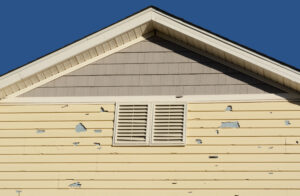
- Periodic inspection for any impact damage from hail or debris
- Caulking and touch-up paint for minor chips (rare)
When repainting is needed, fiber cement accepts paint readily and holds color well. The porous surface provides excellent paint adhesion, and the stable substrate prevents the peeling and flaking common on natural wood. If you notice mildew or algae growth, follow our guide on how to clean mold from siding safely.
Ready to Move Forward?
Tell us about your project and get matched with up to 3 pre-screened contractors. Compare quotes, check reviews, and hire with confidence.
Installation Considerations
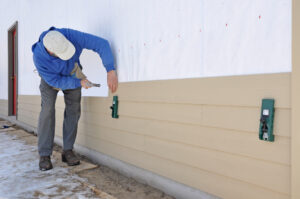
Professional installation is strongly recommended for fiber cement siding, even for experienced DIYers. The material is significantly heavier than vinyl or wood siding, typically weighing 2.5 pounds per square foot or more. This weight requires proper structural support, careful handling to prevent cracking, and specialized cutting tools that can safely work with the cementitious material.
Cutting fiber cement generates silica dust, which poses respiratory hazards without proper safety equipment. Professionals use shears designed specifically for fiber cement or circular saws equipped with dust collection systems. They also have experience with the blind-nailing or hidden-clip systems that many panel products require for proper water management. For a complete overview of the process, read our guide on what to expect during siding installation.
Installation Timeline
A typical 1,500-square-foot home takes 3–5 days for professional installation. Complex designs with multiple gables, dormers, and angles may extend this to 7–10 days. Labor accounts for 40–60% of total project costs.
How Fiber Cement Compares to Other Siding Materials
When evaluating textured fiber cement against alternatives, consider upfront cost, lifespan, maintenance requirements, and aesthetic goals. The table below provides a comprehensive comparison to help you make an informed decision. For more details, see our complete siding comparison guide.
| Feature | Fiber Cement | Natural Wood | Vinyl | Engineered Wood |
|---|---|---|---|---|
| Installed Cost | $5–$15/sq ft | $6–$12/sq ft | $4–$12/sq ft | $5–$10/sq ft |
| Lifespan | 30–50 years | 15–25 years | 20–40 years | 20–30 years |
| Repaint Frequency | Every 10–15 yrs | Every 3–5 yrs | Never (fades) | Every 5–10 yrs |
| Fire Resistance | Class A | Flammable | Melts | Treated |
| Moisture Resistance | Excellent | Poor | Good | Moderate |
| Pest Resistance | Immune | Vulnerable | Immune | Treated |
| Wood-Grain Realism | Excellent | Authentic | Limited | Good |
| DIY Installation | Not Recommended | Moderate | Easy | Moderate |
For homeowners prioritizing authentic wood aesthetics with maximum durability, textured fiber cement delivers the best combination of appearance and performance. Vinyl costs less but can’t match fiber cement’s realistic wood grain. Natural wood offers authenticity but demands significantly more maintenance and has a shorter lifespan. Engineered wood splits the difference but still contains wood fibers susceptible to moisture over time. If you live in a northern climate, our guide on insulated vinyl vs. fiber cement for cold climates offers additional considerations.
Making the Right Choice for Your Home
Textured fiber cement siding panels represent an excellent choice for homeowners who want the visual warmth of natural wood combined with modern durability and low maintenance. The technology has advanced considerably since fiber cement first appeared in the early 1990s, with today’s embossed textures and multi-tone finishes delivering remarkably authentic wood replication.
The higher upfront cost compared to vinyl siding pays dividends through reduced maintenance, longer lifespan, and better protection against fire, moisture, and pests. For homes in humid, coastal, or fire-prone regions, fiber cement’s performance advantages make it particularly compelling. The 30- to 50-year warranties offered by major manufacturers reflect confidence in long-term durability.
When budgeting for a fiber cement project, plan for professional installation to ensure proper water management and avoid cracking from improper handling. Get quotes from at least three contractors, verify they’re experienced with fiber cement specifically, and ask for references from similar projects. Learn more about how to find a reliable siding contractor to ensure your investment delivers decades of beautiful, worry-free performance.
Ready to Compare Siding Quotes? Get free, no-obligation estimates from up to 3 fiber cement siding contractors in your area. Compare prices, warranties, and reviews before you decide.
Connect with top-rated local contractors who can help you with siding, roofing, HVAC, windows, and more. Get free quotes from verified professionals in your area today.