

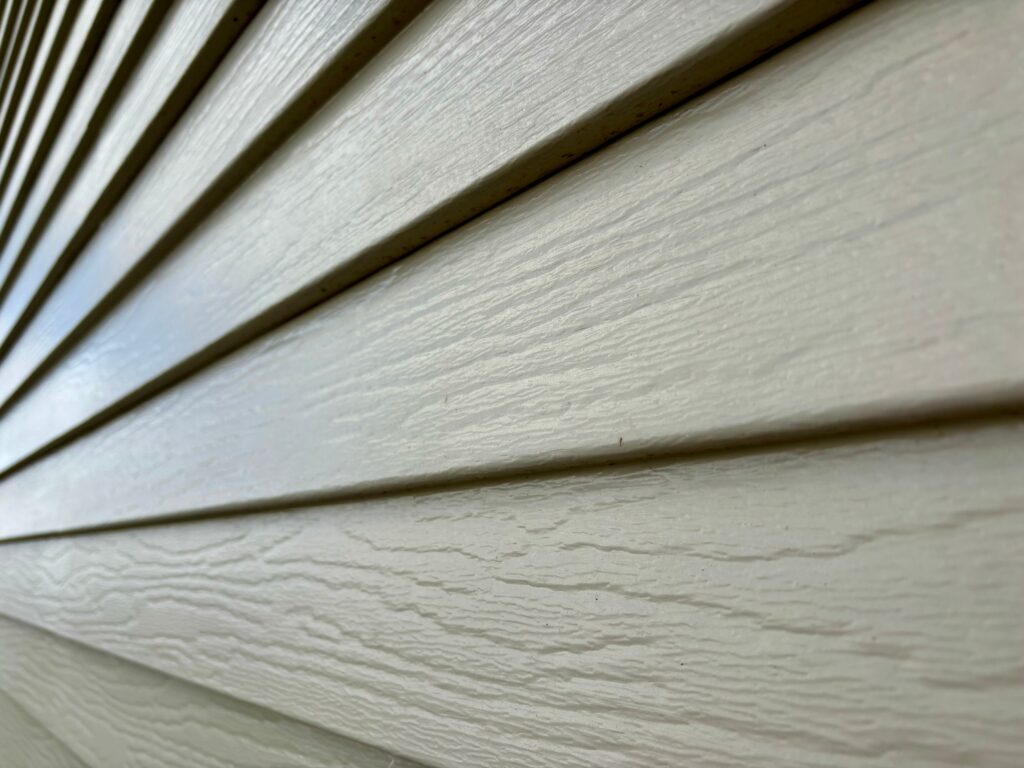
House siding has transformed dramatically since colonial settlers nailed wooden planks to their homes. The history of siding materials shows just how much siding materials have evolved over time. Today, fiber cement siding covers roughly 20% of new single-family homes, while vinyl siding leads at 26%. Understanding the evolution of house siding helps you make smarter decisions when upgrading your home exterior.
What Is House Siding Material and Why It Matters
Siding does far more than make your home look good. It serves as the first line of defense against the elements and siding plays a crucial role in protecting your investment.
Siding serves four critical functions:
Protection: Shields structural components and helps protect homes from the elements
Insulation: Affects energy efficiency, indoor comfort, and even heating and cooling costs
Moisture control: Works with weather-resistant barriers to prevent water damage
Aesthetics: Sets the tone for curb appeal and complements your home’s architectural style
For any homeowner, choosing the right siding material is about more than looks. It’s about balancing durability, design, maintenance, and budget.
ROI Insight: According to the Remodeling Magazine Cost vs. Value Report, fiber cement siding replacement recoups 77–78% of costs at resale, while vinyl recovers 74–75%.
Early House Siding Materials
Before engineered products existed, homeowners worked with what the land provided. The history of siding shows that siding can be traced back to early forms of home construction that relied heavily on natural materials. Materials like wood, materials like brick, and stone defined American home exteriors for centuries, each with distinct advantages and limitations that eventually drove the search for better siding solutions.
Wood Siding: The Original Standard
Traditional wood siding dominated American home construction for centuries through several popular styles:
| Style | Description | Best For |
|---|---|---|
| Clapboard/Lap | Horizontal overlapping boards | Colonial, traditional homes |
| Shingles/Shakes | Machine-cut or hand-split pieces | Coastal, Cape Cod styles |
| Board-and-Batten | Vertical boards with narrow strips | Farmhouses, rustic designs |
Pros:
-
Natural insulation and character
-
Paintable in any color
-
Repairable rather than replaceable
-
Cedar/redwood resist rot naturally
Cons:
-
Requires painting every 3–7 years
-
Susceptible to rot, insects, and fire
-
Warps and develops mold in humid climates
For many homeowners, wood siding offers warmth and charm that are hard to replicate. Still, traditional wood also came with heavy maintenance demands, which pushed the siding industry toward alternatives.
Brick and Stone: Traditional Alternatives
Brick siding and stone siding offered exceptional durability and fire resistance but at 3–5× the cost of wood. A well-built brick exterior can last over a century, making it a prestige choice for those who could afford it. These traditional materials, including brick and stone and materials like brick and stucco, were valued for strength, but their weight and installation costs limited how widely they were used for siding.
The Rise of Aluminum and Vinyl
Wood’s rot and repainting problems created an opening for new building materials. Aluminum siding arrived first, then vinyl. Neither was perfect, but both changed homeowner expectations permanently and marked a major chapter in the history of residential siding.
Actual costs depend on your location, project scope, and materials. The best way to know what you'll pay is to get quotes from local contractors.
Get Your Free Estimate →Aluminum Siding (1940s–1970s)
Post-WWII housing booms drove demand for faster, cheaper construction.
| Pros | Cons |
|---|---|
| Never needed painting | Dented easily (permanently) |
| Rot and insect proof | Conducted heat/cold |
| Fast installation | Hollow, metallic appearance |
| Good for coastal areas | Faded over time |
Aluminum siding became a popular alternative to wood because it reduced maintenance and sped up installation. But it dented easily and lacked the warmth of more traditional finishes. By the 1970s, siding had become more style-driven, and aluminum started to lose favor.
Vinyl Siding: Current Market Leader
Vinyl siding in the 1950s began as an inexpensive alternative to traditional wood, but major manufacturing improvements in the 1980s helped it mature into the popular siding choice it is today. Early vinyl siding had issues with cracking and fading, but the material has come a long way since then.
Why homeowners choose vinyl siding:
-
30–50% less expensive than fiber cement
-
Never needs painting
-
Low maintenance with just occasional washing
-
Available in a wide range of colors and textures
-
Insulated vinyl siding versions improve efficiency
Limitations to consider:
-
Warps or melts in extreme heat
-
Becomes brittle in severe cold
-
Poor fire resistance
-
Climate-related performance concerns in some areas
For many homeowners, vinyl siding remains the most practical siding option because it’s affordable, simple to maintain, and siding is available in a huge range of colors and textures. It can even mimic finishes like wood, making it appealing for many styles of homes with siding.
Fiber Cement Siding: The Modern Standard
Fiber cement siding combines Portland cement, sand, cellulose fibers, and water. It represents how the development of new siding materials has focused on improving both performance and appearance. This modern siding category offers the look of painted wood with improved durability and fire resistance.
Key Fact: James Hardie pioneered asbestos-free fiber cement in the mid-1980s, entering the U.S. market in 1988. Today, they remain a leader in the siding industry and helped shape the rise of premium new siding systems.
"We matched with a great contractor the same day. The whole process was easy and completely free."
Benefits vs. Drawbacks
| Benefits | Drawbacks |
|---|---|
| Non-combustible (fire-proof) | Higher upfront cost ($5–15/sq ft) |
| Termite and rot proof | Heavy (2.5 lbs/sq ft) |
| 50+ year lifespan | Requires professional installation |
| Repainting only every 10–15 years | Specialized cutting equipment needed |
| Replicates any texture convincingly |
For a homeowner who wants a higher-end type of siding, fiber cement siding is often the benchmark. It blends strong performance with the look of traditional wood siding, and it’s one of the clearest examples of how siding innovation has advanced.
Complete Siding Comparison
Durability and Lifespan
| Material | Typical Lifespan | Primary Failure Modes |
|---|---|---|
| Brick/Stone | 100+ years | Mortar deterioration |
| Fiber Cement | 50+ years | Paint failure, impact |
| Metal (Steel/Aluminum) | 40–50 years | Dents, fading |
| Engineered Wood | 20–30 years | Moisture at edges |
| Vinyl | 20–30 years | Brittleness, fading |
| Wood | 15–40 years | Rot, insects, UV |
This comparison shows how different materials solve different problems. Some prioritize durability, while others focus on cost, appearance, or maintenance.
Maintenance Requirements
| Material | Painting Frequency | Annual Tasks |
|---|---|---|
| Wood | Every 3–7 years | Inspect for rot, caulk, seal |
| Vinyl | Never | Wash periodically |
| Fiber Cement | Every 10–15 years | Wash, check caulking |
| Engineered Wood | Every 7–10 years | Seal exposed edges |
30-Year Cost Comparison (2,000 sq ft home)
| Material | Initial Cost | Maintenance (30 yrs) | Total |
|---|---|---|---|
| Vinyl | $9,000–15,000 | $1,500–3,000 | $10,500–18,000 |
| Fiber Cement | $12,000–25,000 | $3,000–6,000 | $15,000–31,000 |
| Wood | $10,000–20,000 | $9,000–18,000 | $19,000–38,000 |
Energy Note: Standard siding provides minimal insulation (R-0.4 to R-1.0). Insulated versions boost this to R-2.0 to R-5.0. The real energy impact comes from your overall wall system, including attic insulation and air sealing.
How Building Codes Shape Siding Choices
Modern codes increasingly influence which materials used on homes are acceptable:
-
Fire zones: California’s Chapter 7A requires non-combustible materials in wildfire areas
-
Hurricane regions: South Florida’s HVHZ mandates impact and wind ratings
-
Moisture management: Codes now require proper flashing and drainage planes
-
Energy efficiency: IECC-based codes set minimum insulation standards
As codes change, the siding industry continues adapting with quality materials that meet higher standards. This is one reason siding materials has been driven by more than just aesthetics—it’s also shaped by safety, energy, and resilience needs.
Choosing the Right Siding Option for Your Home
Selecting the right siding involves weighing climate, budget, appearance, and how long you plan to stay in the home. The best options for siding depend on what matters most to each homeowner.
Why Hire a Licensed Professional
- Licensed & insured — protects you from liability
- Warranty coverage — manufacturers require pro installation
- Code compliance — avoids permit issues
- Faster completion — pros finish in days, not weeks
Climate Considerations
Climate should drive much of your decision. In fire-prone areas, fiber cement siding may be required by code or rewarded with insurance discounts. In regions with extreme temperature swings, some forms of vinyl siding can expand and contract more than denser materials. In wet climates, proper installation becomes critical no matter what type of siding you choose.
Climate Quick Guide
| Climate | Best Options | Avoid |
|---|---|---|
| Cold/freeze-thaw | Fiber cement, engineered wood | Cheap vinyl (becomes brittle) |
| Hot/sunny | Fiber cement, quality vinyl | Dark colors near reflective surfaces |
| Humid/coastal | Fiber cement, vinyl, metal siding | Wood (without heavy maintenance) |
| High-wind/hurricane | Fiber cement, properly fastened vinyl | Any material with poor installation |
| Wildfire-prone | Fiber cement, stucco, metal | Wood, vinyl |
Budget Considerations
If upfront cost is the main concern, vinyl remains the most affordable siding option. If you plan to stay in your home long term, fiber cement siding may deliver better lifetime value.
Choose vinyl if:
-
Budget is the primary constraint
-
You want low maintenance
-
You plan to sell within 10–15 years
Choose fiber cement if:
-
You can invest more upfront
-
You want 30+ year performance
-
Fire resistance matters
-
You prefer the appearance of painted wood
Style Compatibility
Certain siding types pair naturally with specific home styles. The variety of siding available today makes it easier to match the home exterior to its architectural style.
| Architectural Style | Best Siding Match |
|---|---|
| Colonial/Cape Cod | Clapboard profiles |
| Craftsman | Cedar shingles or shake replicas |
| Modern/Contemporary | Smooth panels, metal, horizontal boards |
| Farmhouse | Board-and-batten |
DIY vs. Professional: At a Glance
The Future of Siding
The future of siding is being shaped by performance, sustainability, and design flexibility. Manufacturers are actively addressing the limitations of older products with new materials like advanced composites and energy-focused panel systems.
Smart Siding Coatings
Research is ongoing into smart siding coatings that can self-clean, react to temperature, or even generate electricity. While these innovations are still emerging, they show how far siding has come a long way from simple wood planks.
Improved Insulation-Backed Siding
Manufacturers continue improving integrated insulation systems. These products show how siding can help address both weather protection and efficiency. Better backing systems can reduce thermal bridging and lower heating and cooling costs.
Spring and summer are the busiest seasons for home improvement projects — top-rated contractors book up fast. Lock in your estimate now before demand peaks.
Check Availability in Your Area →Fire-Resistant Composites
New composite siding products aim to combine the fire resistance of fiber cement with easier installation and lighter weight. These are examples of materials that combine the strengths of several older systems into one.
Eco-Friendly Siding Options
Environmental concerns are also driving growth in eco-friendly siding options. Some new products are made from recycled materials, agricultural waste, or bio-based polymers. Others use recycled materials and wood fibers to create more sustainable alternatives.
This shift reflects how siding reflects broader changes in construction priorities. The push toward lower-impact modern materials suggests that the future of siding will keep evolving as technology and regulations change.
FAQs
What Siding Lasts the Longest?
Brick/stone (100+ years), followed by fiber cement (50+ years), metal (40–50 years), and vinyl (20–30 years).
Ready to Move Forward?
Tell us about your project and get matched with up to 3 pre-screened contractors. Compare quotes, check reviews, and hire with confidence.
Is Fiber Cement Better than Vinyl?
Fiber cement siding wins on durability, fire resistance, and appearance. Vinyl siding wins on upfront cost and ease of upkeep. The better fit depends on the individual homeowner and their priorities.
Does New Siding Increase Home Value?
Yes. New siding typically boosts resale appeal and helps improve buyer perception. Because siding helps protect and refresh a home’s exterior, it can positively affect perceived value.
What’s the Most Cost-Effective Option?
Vinyl costs the least upfront. Fiber cement often offers stronger long-term value for homeowners staying in place for 15+ years.
Final Thoughts
The fascinating history of siding shows that siding has come a long way from rough timber nailed to exterior walls. A century ago, homeowners had limited choices. Today, modern siding includes everything from engineered wood siding and fiber cement siding to metal siding, steel siding, and upgraded vinyl systems.
The best siding material is not always the most expensive one. It’s the one that matches your climate, budget, and long-term goals. A homeowner selling in five years has different needs than someone planning to stay for decades.
The good news is that siding has evolved enough that there are strong options for nearly every budget and style. Whether you prefer traditional siding, premium seamless steel siding, or an affordable vinyl profile, today’s market offers more flexibility than ever.
Material choice gets most of the attention, but installation quality still matters just as much. Poor flashing and improper fastening cause more failures than product defects. Choosing experienced contractors and understanding installation best practices will help your siding on homes perform the way it should.
Ready to upgrade? Get free siding quotes from pre-screened contractors in your area. Compare materials, warranties, and costs to find the right solution for your home.
Connect with top-rated local contractors who can help you with siding, roofing, HVAC, windows, and more. Get free quotes from verified professionals in your area today.