

Solar panels can be more than just a way to cut your electric bill—they can also boost your home’s resale value. But like any investment, solar arrays come with upfront costs, maintenance considerations, and regional quirks that buyers and sellers alike should weigh carefully.
In this guide, we’ll explore both sides of the argument, so you can decide whether going solar is right for your home and your bottom line.
Table of Contents
The Pros: Dollars and Sense
1. Proven Price Premiums
- Zillow’s 2019 study found homes with solar-energy systems sold for 4.1% more than comparable non‑solar homes—about an extra $9,274 on a median‑valued property nationwide.
- EnergySage echoes this figure, reporting an average value bump of 4%, or roughly $6,000 per installed kilowatt of solar capacity, depending on your market and system size.
- SolarReviews’ 2025 analysis suggests that as solar becomes more mainstream, premiums may climb—finding an average 6.9% increase in resale prices for homes with panels installed over the past year.
Actual costs depend on your location, project scope, and materials. The best way to know what you'll pay is to get quotes from local contractors.
Get Your Free Estimate →2. Return on Energy Savings
- According to the National Renewable Energy Laboratory (NREL), every dollar you save on energy bills annually through solar can translate into about $20 in home value, a 20:1 return ratio.
- Over 25–30 years, SolarReviews estimates solar homeowners could save $30,000–$100,000 on electricity—savings that buyers will factor into their offer price.
3. Faster Sales and Buyer Appeal
- Beyond dollars on the sale price, solar‑equipped homes often sell faster. Environmentally conscious buyers—or those wary of rising utility rates—are willing to pay a premium for guaranteed savings and energy independence.
- Clean‑energy features are seen as akin to renovated kitchens or finished basements—“must‑have” upgrades that make listings stand out in competitive markets.
"We matched with a great contractor the same day. The whole process was easy and completely free."
4. Tax Credits and Incentives
- The Federal Investment Tax Credit (ITC) covers 30% of your solar systems installation costs through 2032, directly lowering your out‑of‑pocket expense.
- Many states and utilities layer on additional rebates, performance‑based incentives, or property tax exemptions, further boosting your return on investment.
The Cons: Caveats and Considerations
1. Upfront Costs and Financing
- According to Architectural Digest, even with incentives, a typical residential solar installation can range from $15,000 to $30,000 after tax credits, depending on system size, roof complexity, and local labor rates.
- If you finance via a solar loan or lease, the monthly payment may offset or even exceed your energy savings—dampening the immediate value to prospective buyers who’ll need to assume that financing.
2. Regional Variations
- Markets with high electricity costs and ample sunshine (e.g., California, Arizona) see the highest advantages/premiums, while areas with cheap power or cloudy climates may see minimal uplift.
- A Zillow deep‑dive showed premiums as low as 2.7% in Riverside, CA, versus 5.4% in the New York metro—suggesting local grid prices and buyer priorities drive much of the value proposition.
Why Hire a Licensed Professional
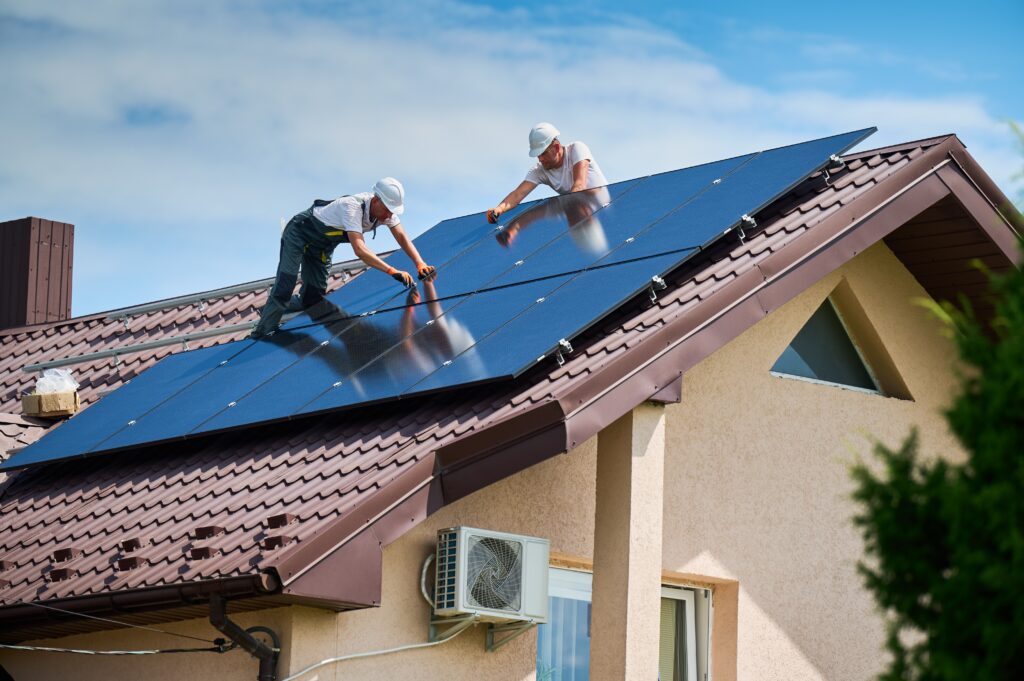
- Licensed & insured — protects you from liability
- Warranty coverage — manufacturers require pro installation
- Code compliance — avoids permit issues
- Faster completion — pros finish in days, not weeks
3. Roof and System Age
- Buyers worry about roof condition and impending maintenance. If your roof is due for replacement soon after solar installation, the hassle and cost can knock down offers.
- Older solar inverters or panels nearing end‑of‑warranty (typically 25 years for panels, 10 years for inverters) can also be offputting for savvy buyers.
4. Aesthetic and Homeowner Preferences
- Not every buyer loves the look of panels on their roof—some neighborhoods or historic districts may even restrict visible installations, limiting market appeal.
- Homeowners who prioritize traditional curb appeal or have strict homeowners’ associations might hesitate, offsetting potential value for solar.
DIY vs. Professional: At a Glance
5. Maintenance and Liability
- Solar systems generally require little upkeep, but potential buyers may worry about inverter failures, warranty transfers, or panel damage (hail, tree limbs).
- If a system is leased rather than owned, that contract can further complicate a sale: buyers must qualify to assume the lease or face costly buyout fees.
Weighing the Pros and Cons
| Benefit | Drawback |
| Average 4–6.9% resale premium | High upfront cost even after incentives ($15K–$30K+) |
| 20:1 value-to-savings ratio | Regional demand varies—lower premiums in grids with cheap power |
| Faster sales in green‑focused markets | Roof age & system end-of-life can trigger price concessions |
| Tax credits (30% federal + state/local incentives) | Leased systems add contract complexity for buyers |
| Environmental appeal & energy independence | Aesthetic or HOA restrictions may limit installations |
Spring and summer are the busiest seasons for home improvement projects — top-rated contractors book up fast. Lock in your estimate now before demand peaks.
Check Availability in Your Area →Tips to Maximize Your Home’s Solar Value
- Own, don’t lease.
Buyers value owned systems far more than leased panels, where they must qualify to take over payments or pay hefty buyout fees. - Time your installation.
Consider installing solar at least 6–12 months before listing, so you can provide a proven production history and show warranty transfer records. - Get a pre‑sale inspection.
A professional solar inspection (often $200–$400) that certifies panel condition and output reassures buyers and can justify a higher asking price. - Bundle energy‑efficiency upgrades.
Pair solar with attic insulation, high‑efficiency windows, or smart thermostats to create a “green home” package that commands top dollar. - Work with a solar‑savvy agent.
A real estate professional experienced in green home sales can highlight solar’s financial and environmental benefits in marketing materials—positioning your property as a premium listing.
Bottom Line: Leaning In … But Read the Fine Print
On balance, solar panels do tend to increase home value—most studies point to a 4–7% price bump, faster sales, and strong buyer interest, especially in regions with high electricity costs and ample sunshine. Federal and state incentives further tilt the scales in favor of solar by reducing your net investment and enhancing your ROI.
However, it’s not a one‑size‑fits‑all proposition. Your local utility rates, roof condition, system financing, and neighborhood preferences can all spread that value curve from “worth every penny” to “still a tough sell.” If you’re considering solar primarily for home‑value gains, own your system outright, choose reputable equipment, and partner with professionals who can underscore its benefits to buyers.
In today’s real estate climate—where energy costs continue climbing and eco‑friendly features sway more buyers—solar remains one of the smartest home improvements you can make. Just be sure to crunch the numbers, account for your local market dynamics, and be ready to present your solar system in its best light when it’s time to sell.
Ready to Move Forward?
Tell us about your project and get matched with up to 3 pre-screened contractors. Compare quotes, check reviews, and hire with confidence.
Need professional help with your project?
Get quotes from top-rated pros.
Find Local ProsSources:
- Zillow: Homes with solar systems sell for 4.1% more on average
- EnergySage: Solar installations increase resale value by about 4% ($6,000/kW)
- SolarReviews 2025 Data: Homes with solar sell for 6.9% more on average
- NREL: Every $1 saved on energy through solar adds $20 to home value
- Architectural Digest/BHG: Typical installation costs range $15K–$30K after incentives
Additional Solar Resources:
Connect with top-rated local contractors who can help you with siding, roofing, HVAC, windows, and more. Get free quotes from verified professionals in your area today.