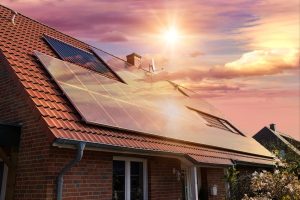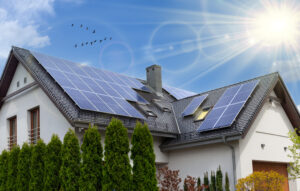


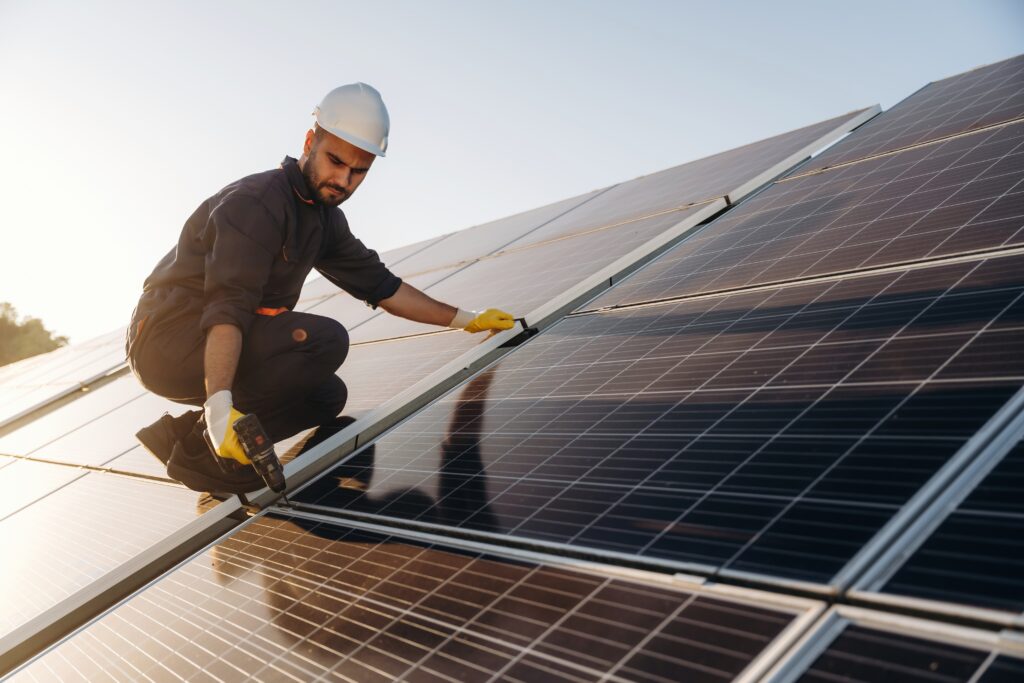
Solar panels have become one of the most popular home upgrades for homeowners looking to lower energy bills and reduce reliance on traditional utilities. But before investing in solar, most people ask the same questions:
- Do solar panels work at night?
- What happens on cloudy days?
- Will solar still work during a power outage?
- Does shade ruin solar efficiency?
The short answer is yes, solar panels still work well in many less-than-perfect conditions. How well depends on your system setup, battery storage, and your home’s environment.
This guide breaks down how solar panels perform in real-world conditions so you can better understand what to expect before installing a system.
If you’re considering solar for your home, connecting with a local solar installer can help you compare options, estimate savings, and design the right setup for your needs.
How Do Solar Panels Work?
Solar panels generate electricity using photovoltaic (PV) cells that convert sunlight into usable energy.
When sunlight hits the panels, it creates an electric current that powers your home. The electricity flows through an inverter, which converts it into the type of power your appliances use every day.
What Happens to Extra Solar Energy?
Many solar systems produce more electricity than a home uses during peak daylight hours. Instead of letting that energy go to waste, your system can either send it back to the power grid or store it for later use.
That extra energy can:
- Be sent back to the utility grid through net metering
- Be stored in a solar battery system
- Offset future electricity costs
How your system handles excess power depends on your utility provider and whether you install battery backup storage. Some homeowners rely heavily on battery storage for energy independence, while others use net metering programs to reduce utility bills.
Do Solar Panels Work at Night?
This is one of the biggest misconceptions about solar energy.
Why Solar Panels Stop Producing Power After Dark
Solar panels need sunlight to actively generate electricity, so they don’t produce power at night. Once the sun goes down, energy production stops until daylight returns the next morning.
That doesn’t mean your home suddenly loses electricity if you have solar, though. Most systems are designed to continue powering your home through other energy sources when solar production pauses.
How Homes Still Use Solar Power at Night
Even though the panels themselves stop generating electricity, homeowners can still benefit from solar energy overnight in a few different ways.
Net Metering
With net metering, excess energy generated during the day gets sent back to the power grid. In return, your utility company may provide energy credits you can use later when your panels aren’t producing electricity.
This setup allows many homeowners to effectively “bank” solar energy during sunny hours and use those credits after dark.
Solar Battery Storage
Battery systems store unused solar energy for nighttime use. Instead of pulling electricity from the grid overnight, your home can rely on stored solar power.
This stored power can help run:
- Lights
- Refrigerators
- Wi-Fi
- Electronics
- Small appliances
Are Solar Batteries Worth It?
For many homeowners, battery storage adds convenience and energy independence. Batteries can help reduce reliance on utility companies while also providing backup power during emergencies.
Benefits of solar batteries include:
- Backup power during outages
- Reduced reliance on the utility grid
- Better use of solar-generated electricity
- Potential long-term savings
Battery systems can increase upfront costs, but they’re becoming more popular as technology improves and power outages become more common in some regions.
Do Solar Panels Work on Cloudy Days?
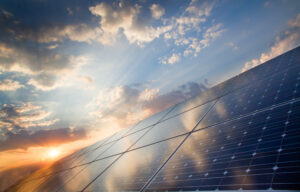
Yes. Solar panels still work on cloudy days, although they produce less electricity than they would in direct sunlight.
How Clouds Affect Solar Production
Cloud cover reduces the amount of sunlight reaching the panels, which lowers energy output. However, solar panels can still generate electricity using indirect sunlight that passes through the clouds.
Depending on weather conditions, production may drop anywhere from 10% to 50% or more during heavily overcast days. Light cloud cover usually has a smaller impact than dark storm clouds.
Can Solar Panels Still Save Money in Cloudy Climates?
Absolutely. Modern solar systems are far more efficient than older technology, which allows them to produce meaningful energy even in less sunny regions.
States that experience frequent cloud cover still see strong solar adoption because homeowners can continue saving money over the long term despite seasonal weather fluctuations.
Germany, for example, has become a global leader in solar energy despite not having especially sunny weather year-round.
Actual costs depend on your location, project scope, and materials. The best way to know what you'll pay is to get quotes from local contractors.
Get Your Free Estimate →Do Solar Panels Work in the Shade?
Shade can impact solar performance, but it doesn’t necessarily make solar impossible.
How Shade Impacts Solar Performance
Trees, chimneys, nearby buildings, and roof features can block sunlight from reaching the panels. Even partial shade may reduce output, especially on older systems where multiple panels are connected together.
The amount of impact depends on how much shade the roof receives and when the shading occurs during the day.
Solar Technologies That Help Reduce Shade Problems
Modern solar technology has improved dramatically when it comes to shade management. Today’s systems are much better at minimizing energy losses caused by partially shaded panels.
Microinverters
Microinverters allow each panel to operate independently. If one panel is shaded, the others can continue producing efficiently instead of the entire system slowing down.
Power Optimizers
Power optimizers help reduce energy loss caused by partially shaded panels and improve overall system performance.
High-Efficiency Panels
Some premium panels perform better in low-light conditions than standard models, making them ideal for homes with partial shade.
Should You Trim Trees Before Installing Solar?
In many cases, yes. A professional solar installer will typically perform a site assessment to evaluate how much sunlight your roof receives throughout the day and across different seasons.
They’ll evaluate:
- Roof orientation
- Sun exposure
- Tree coverage
- Seasonal shading patterns
Sometimes simple tree trimming can significantly improve solar production and increase long-term savings.
Do Solar Panels Work During a Power Outage?
This is another area where many homeowners are surprised.
"We matched with a great contractor the same day. The whole process was easy and completely free."
Why Most Solar Systems Shut Off During Outages
Most standard solar systems are grid-tied, meaning they connect directly to the utility grid.
During a power outage, grid-tied systems automatically shut down for safety reasons. This prevents electricity from flowing back into utility lines while crews are making repairs nearby.
So even if the sun is shining, most homes without battery backup won’t have power during an outage.
How to Keep Solar Power Running During Blackouts
There are several ways homeowners can continue using solar energy during outages.
Battery Backup Systems
Solar batteries can store energy generated during the day and provide power when the grid goes down. This is one of the most common backup solutions for residential solar systems.
Hybrid Solar Systems
Hybrid systems combine solar panels, battery storage, and grid connectivity. These setups offer more flexibility and can automatically switch between power sources when needed.
Off-Grid Solar Systems
Off-grid setups operate independently from utility companies altogether. These systems rely heavily on battery storage and are more common in remote areas without reliable utility access.
What Appliances Can Solar Batteries Power?
Battery capacity varies depending on the size of the system, but many residential batteries can power essential appliances and devices during outages.
Battery systems may power:
- Refrigerators
- Internet routers
- Lights
- Medical devices
- Phones and laptops
Running large HVAC systems or powering an entire home for extended periods may require larger and more expensive battery banks.
Do Solar Panels Work in Winter or Snow?
Yes. Solar panels still work during winter, although overall production may decrease because winter days are shorter.
Solar Production During Winter Months
Winter typically means:
- Shorter daylight hours
- Lower overall energy production
- More variable weather conditions
However, solar panels often operate efficiently in colder temperatures because excessive heat can slightly reduce panel performance.
What Happens When Panels Are Covered in Snow?
Heavy snow can temporarily block sunlight and reduce production. Fortunately, snow often slides off panels because of their smooth surface and angled installation.
Most homeowners don’t need to manually remove snow unless accumulation becomes unusually heavy.
Do Solar Panels Work in Rain?
Yes. Rainy weather lowers production but usually doesn’t stop it entirely.
Solar Generation During Rainy Weather
Panels can still generate electricity from indirect sunlight during rainy conditions. While output may be lower than on sunny days, systems continue producing usable energy.
Can Rain Help Solar Panels?
Rain can actually benefit solar systems by naturally cleaning away dirt, dust, pollen, and debris that may build up on the panels over time.
Cleaner panels generally perform more efficiently, which can slightly improve overall production afterward.
Factors That Affect Solar Panel Performance
Several variables influence how much electricity your solar system produces.
Roof Direction and Angle
South-facing roofs generally receive the most sunlight in the U.S., though east- and west-facing roofs can still work well depending on the home.
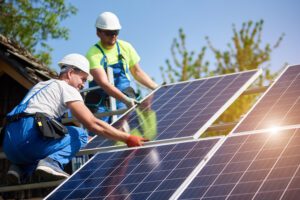
Why Hire a Licensed Professional
- Licensed & insured — protects you from liability
- Warranty coverage — manufacturers require pro installation
- Code compliance — avoids permit issues
- Faster completion — pros finish in days, not weeks
Panel Quality and Efficiency
Higher-quality panels often generate more electricity in limited sunlight conditions and may perform better over the long term.
Geographic Location
Homes in sunnier climates usually produce more solar energy overall, though solar can still work effectively in many cooler or cloudier regions.
Temperature and Weather Conditions
Extreme heat can sometimes reduce panel efficiency slightly, while mild and cooler temperatures may actually help performance.
Dirt and Debris
Dirty panels may lose efficiency if leaves, pollen, bird droppings, or debris block sunlight from reaching the cells.
How to Maximize Solar Panel Efficiency
Homeowners can take several steps to improve system performance and maximize energy production over time.
Install Battery Storage
Battery backup allows you to store and use more of your solar-generated energy instead of relying entirely on the utility grid.
DIY vs. Professional: At a Glance
Reduce Shade Around Panels
Tree trimming and strategic panel placement can significantly improve sunlight exposure.
Schedule Routine Maintenance
Regular inspections help identify wiring issues, dirt buildup, or damaged components before they affect production.
Upgrade Older Equipment
Newer panels and inverters are often far more efficient than systems installed a decade ago.
Monitor Energy Production
Many systems include apps that track real-time performance and energy usage, helping homeowners spot sudden drops in production quickly.
Are Solar Panels Still Worth It?
For many homeowners, yes.
Solar panels can provide:
- Lower monthly utility bills
- Long-term energy savings
- Increased energy independence
- Environmental benefits
- Potential tax incentives and rebates
Even in areas with occasional clouds, shade, or winter weather, solar can still make financial sense when properly designed and installed.
Spring and summer are the busiest seasons for home improvement projects — top-rated contractors book up fast. Lock in your estimate now before demand peaks.
Check Availability in Your Area →Common Solar Myths Homeowners Should Ignore
“Solar Panels Don’t Work in Cold Climates”
Cold weather doesn’t stop solar production. In fact, panels often perform efficiently in cooler temperatures.
“Solar Stops Working When It’s Cloudy”
Panels still generate electricity using indirect sunlight, even during cloudy or rainy weather.
“Solar Automatically Powers Your Home During Outages”
Most systems require battery backup to provide electricity during blackouts.
“Shade Makes Solar Impossible”
Modern technology can reduce many shade-related performance issues, making solar possible for more homes than ever before.
Frequently Asked Questions
Ready to Move Forward?
Tell us about your project and get matched with up to 3 pre-screened contractors. Compare quotes, check reviews, and hire with confidence.
Do Solar Panels Produce Electricity at Night?
No. Solar panels need sunlight to actively generate electricity, but homes can still use stored battery power or net metering credits overnight.
Can Solar Panels Charge Batteries During Cloudy Weather?
Yes, although charging speeds may be slower because the panels produce less energy in cloudy conditions.
Will Solar Panels Work if My Roof Gets Partial Shade?
Often yes, especially with microinverters or power optimizers designed to minimize shade-related losses.
How Long Can a Solar Battery Power a House?
It depends on battery size and household energy usage, but many systems can power essentials for several hours or even days with careful energy management.
Do I Need a Battery Backup for Solar Panels?
Not necessarily, but battery storage can improve energy independence and provide valuable backup power during outages.
Final Thoughts
Solar panels can still perform well in a wide range of conditions, including cloudy weather, partial shade, winter months, and rainy days. While panels don’t actively generate power at night, battery storage and net metering can help homeowners continue using solar energy around the clock.
If you’re considering solar for your home, comparing quotes and speaking with local solar professionals can help you understand your potential savings, battery options, and the best system design for your roof and energy goals.
Connect with top-rated local contractors who can help you with siding, roofing, HVAC, windows, and more. Get free quotes from verified professionals in your area today.