
If you live somewhere that feels like summer most of the year, your windows matter more than you might think. The wrong windows can turn your home into a heat trap, driving up energy bills, fading your furniture, and making certain rooms almost unbearable by mid-afternoon.
The right windows can make a noticeable difference. In this guide, we’ll break down the best windows for hot climates, what features actually matter, and how to keep your home cooler without overworking your AC.
Why Windows Matter in Hot Climates
Windows are one of the biggest sources of heat gain in a home. When sunlight hits the glass, it transfers heat inside, especially if your windows aren’t designed to block it.
That’s why homeowners in hot climates often deal with:
- Rooms that heat up fast during the day
- Higher cooling costs
- Uneven indoor temperatures
Upgrading to energy-efficient windows designed for hot weather can help reduce that heat transfer, keep your home more comfortable, and lower your monthly energy bills.
Key Features to Look for in Windows for Hot Climates
Not all windows are created equal, especially when it comes to heat. Here are the features that actually make a difference.
Low Solar Heat Gain Coefficient (SHGC)
This is a big one. SHGC measures how much solar heat passes through a window. In hot climates, you want this number to be low, meaning less heat is getting inside.
Low-E Glass Coatings
Low-E (low emissivity) coatings reflect heat away from your home while still letting in natural light. It’s one of the most effective ways to keep your house cool without making it feel dark.
Double or Triple Pane Glass
Multi-pane windows add insulation. Double-pane is usually enough for most hot climates, but triple-pane can offer extra performance in extreme heat.
UV Protection
Good windows don’t just block heat—they also block UV rays, which can fade flooring, furniture, and curtains over time.
Airtight Seals
Even the best window won’t help if it leaks air. A tight seal and proper installation are key to keeping hot air out and cool air in.
Best Window Types for Hot Climates
Some window styles perform better than others when it comes to keeping heat out.
Casement Windows
Casement windows are one of the most energy-efficient options because they seal tightly when closed. They also open fully, which helps with airflow when you want to cool things down naturally.
Awning Windows
Awning windows hinge at the top and open outward. They’re great for ventilation—even during light rain—and work well in humid, hot areas.
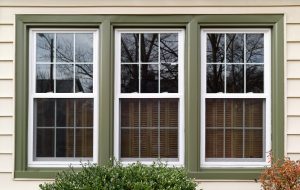
Double-Hung Windows
These are a classic choice. While they don’t seal quite as tightly as casement windows, they still offer good ventilation and flexibility.
Sliding Windows
Sliding windows are simple and easy to use. They’re a good option for wide openings, though they may not be as airtight as other styles.
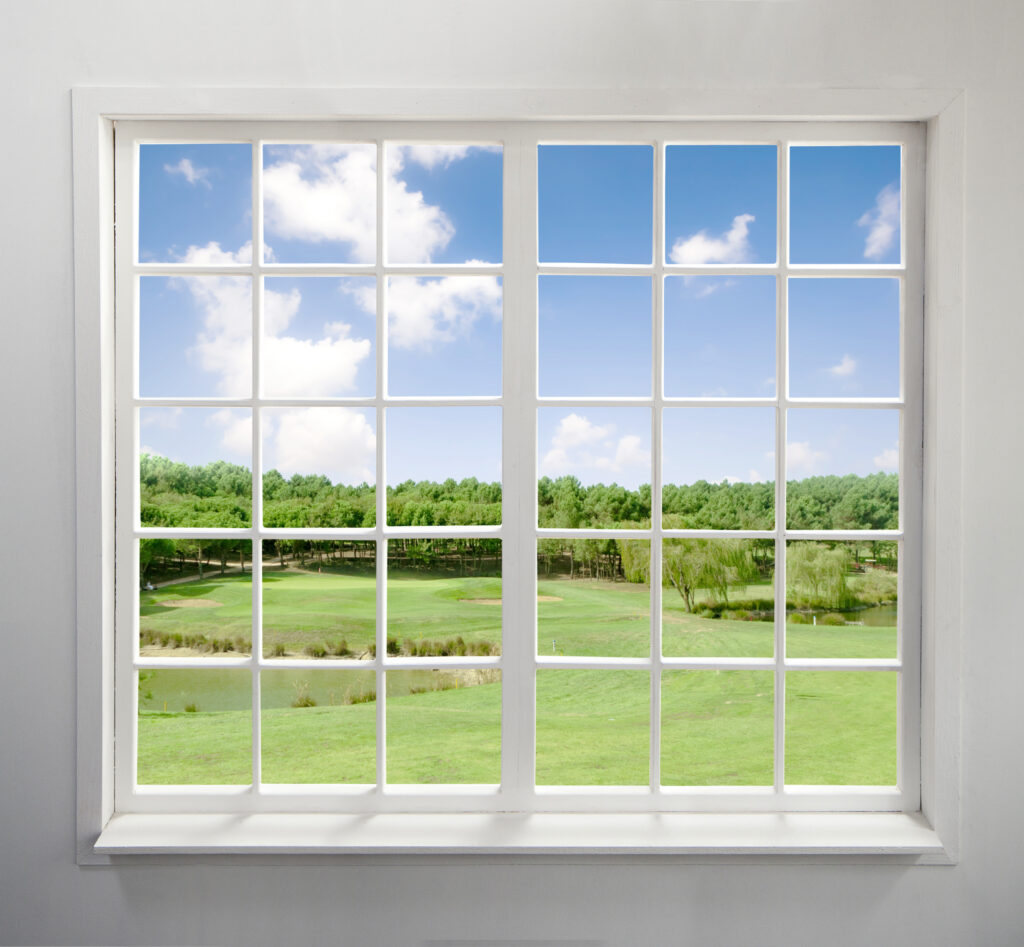
Picture Windows
If your goal is maximum energy efficiency, fixed picture windows are hard to beat. Since they don’t open, they’re completely sealed.
Best Window Frame Materials for Hot Climates
The frame material plays a big role in how well your windows perform in the heat.
Vinyl Windows
Vinyl is one of the most popular options for a reason. It’s affordable, low maintenance, and offers solid insulation.
Fiberglass Windows
Fiberglass handles heat extremely well without warping or expanding. It’s more expensive upfront, but it’s one of the most durable long-term options.
Wood Windows
Wood provides natural insulation and looks great, but it requires more maintenance—especially in hot, humid climates.
Aluminum Windows (With a Catch)
Aluminum is strong and lightweight, but it conducts heat easily. If you go this route, look for thermally broken frames to improve performance.
Glass Options That Make the Biggest Difference
If you want windows that actually keep heat out, the glass matters just as much as the frame.
Look for features like:
- Low-E coatings to reflect heat
- Tinted glass to reduce glare and sunlight
- Reflective glass for added heat control
- Gas fills (like argon) between panes for insulation
These upgrades can make a noticeable difference in how your home feels during peak heat.
Window Treatments That Help Keep Heat Out
Even the best windows can benefit from a little extra help.
On the outside, things like awnings, shutters, and solar screens can block sunlight before it hits the glass. Inside, blinds, curtains, and window film can reduce heat and glare.
Layering these solutions is one of the easiest ways to improve comfort without replacing your windows right away.
How Much Do Energy-Efficient Windows Cost?
Window replacement costs can vary quite a bit depending on what you choose.
Most homeowners can expect:
- Around $300 to $1,000+ per window (materials)
- Around $600 to $1,500+ per window installed
Costs depend on things like size, materials, glass upgrades, and labor.
While that might feel like a big investment, energy-efficient windows can help offset costs over time by lowering your cooling bills.
Are Energy-Efficient Windows Worth It in Hot Climates?
In most cases, yes.
If your current windows let in a lot of heat, upgrading can:
- Reduce energy bills
- Improve indoor comfort
- Help your AC system run more efficiently
There’s also a long-term benefit when it comes to home value. Buyers are increasingly looking for energy-efficient upgrades.
Installation Tips for Hot Climate Performance
Even the best windows won’t perform well if they’re installed poorly.
Make sure your installer:
- Seals gaps and edges properly
- Uses insulation around the frame
- Checks for air leaks after installation
A good installation can make just as much difference as the window itself.
Signs Your Current Windows Aren’t Built for Heat
Not sure if it’s time to replace your windows? Here are a few signs:
- Certain rooms feel much hotter than others
- Your energy bills keep climbing
- You feel drafts or hot air near windows
- Furniture or floors are fading
- You notice condensation or fogging
If you’re dealing with more than one of these, your windows could be part of the problem.
How to Choose the Best Windows for Your Home
Choosing the right windows comes down to a few key factors:
- Your climate and sun exposure
- The function of each room
- Your budget
- Your long-term goals
It’s usually worth getting a few quotes and comparing options before making a decision.
Final Thoughts
When it comes to hot climates, the right windows can make a huge difference. They help keep your home cooler, reduce energy costs, and make your space more comfortable year-round.
If your current windows aren’t cutting it, upgrading to energy-efficient options can be one of the smartest improvements you make.
FAQs About Windows for Hot Climates
What type of window is best for hot climates?
Casement and picture windows are often top choices because they offer strong sealing and energy efficiency.
Are double-pane windows enough for hot weather?
Yes, in most cases. Pairing them with Low-E glass makes them even more effective.
What is the best glass for reducing heat?
Low-E coated glass with gas fills (like argon) is one of the best options.
Do tinted windows help keep a house cool?
Yes, tinted glass can reduce heat and glare, though it may slightly darken your space.
Are vinyl or fiberglass windows better in hot climates?
Both perform well. Fiberglass is more durable, while vinyl is more budget-friendly.
How much can new windows reduce cooling costs?
It depends on your home, but many homeowners see noticeable savings especially if replacing older, inefficient windows.

Anna has over six years of experience in the home services and journalism industries and serves as the Content Manager at MyHomePros.com, specializing in making complex home improvement topics like HVAC, roofing, and plumbing accessible to all. With a bachelor’s degree in journalism from Auburn University, she excels in crafting localized, comprehensive guides that cater to homeowners’ unique needs. Living on both coasts of the United States has equipped her with a distinctive perspective, fueling her passion for turning any house into a cherished home through informed, personalized decision-making.
Connect with top-rated local contractors who can help you with siding, roofing, HVAC, windows, and more. Get free quotes from verified professionals in your area today.