

Home window tinting has become more than a cosmetic upgrade. It’s a practical option for improving comfort, reducing glare, and cutting energy costs. Today’s window film options can help protect interiors from UV rays while maintaining the look and feel of natural light.
If you’re considering window tint for your home window, it helps to understand the different types of window film, how much they cost, and what the installation process looks like. Here’s what to know before getting started.
What Is Home Window Tinting?
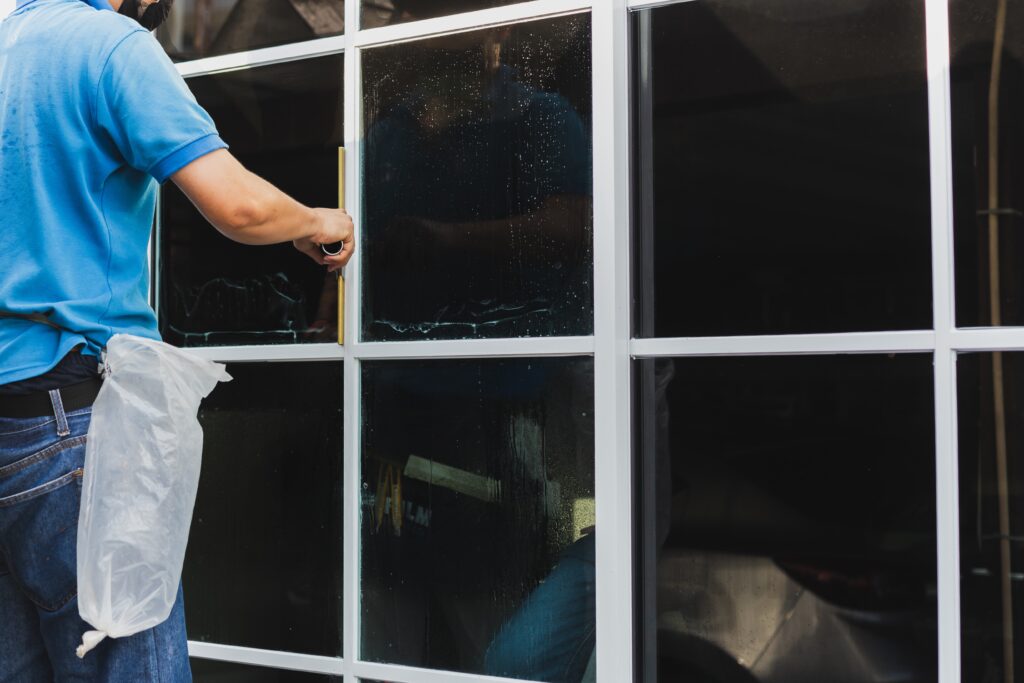
Home window tinting involves placing a thin, high-performance window film on the interior surface of your house windows. Unlike outdated films, modern residential window film solutions are virtually invisible and designed for energy efficiency, UV protection, and comfort.
How Window Film Works
Window film is applied in multiple ultra-thin layers that help control solar heat, reduce heat gain, and improve comfort. These layers:
- Filter the sun’s heat
- Reduce heat and glare
- Block harmful UV rays
- Help hold the glass together for added safety
When properly installed, window films help create a barrier that improves insulating your windows and protecting your home’s interior—all while allowing natural light to pass through.
Modern film types use ceramic, carbon, or metalized technology to reduce excessive heat and glare without sacrificing visibility.
Benefits of Tinting Your Home Windows
Reduce Heat and Improve Energy Efficiency
One of the biggest advantages of window film is improved energy efficiency. High-quality residential window tinting can:
- Block up to 85% of solar heat
- Reduce utility bills through energy savings
- Lower strain on HVAC systems
- Help create a home more comfortable year-round
This heat control directly contributes to lower energy costs over time.
Actual costs depend on your location, project scope, and materials. The best way to know what you'll pay is to get quotes from local contractors.
Get Your Free Estimate →Block UV Rays and Protect Interiors
Quality window films block up to 99% of UV rays that cause fading. This helps:
- Protect furniture, flooring, and furnishing
- Extend the life of interior materials
- Provide long-term UV protection
Even clear window tint can offer protection from harmful UV rays without darkening your space.
Improve Privacy and Security
Privacy window film helps prevent outsiders from being able to see into your home while still allowing natural light in.
Compared to curtains and blinds, tinted windows provide:
- Daytime privacy
- Clean, modern aesthetics
- Reduced reliance on bulky window treatments
Additionally, security films help hold glass together, reducing the risk of glass breakage, flying glass, and potential access by an intruder.
Reduce Glare for Daily Comfort
Excessive light can disrupt daily activities in your home office or living spaces. Window tinting also helps by:
- Reducing glare on screens
- Improving comfort in bright rooms
- Minimizing eye strain
"We matched with a great contractor the same day. The whole process was easy and completely free."
Types of Home Window Tint Film
Understanding the different types of window film helps you choose the right window film for your needs.
Solar Control Window Film
Designed to reduce heat gain and glare while allowing natural light.
- Ideal for sun-facing house windows
- Helps manage solar heat
- Available in various colors and patterns
Decorative Window Film
Enhances design while improving privacy.
- Includes frosted glass, patterned, or stained designs
- Works as a stylish alternative to window coverings
- Great for bathrooms and entryways
Safety & Security Film
Adds durability and improves the safety of the glass.
- Helps hold the glass together
- Reduces risk of injury and break-ins
- Ideal for residential and commercial use
Privacy Film
Designed specifically for privacy and security.
- Includes one-way mirror or frost finishes
- Blocks visibility without needing a blind
- Works well for street-facing glass window areas
Why Hire a Licensed Professional
- Licensed & insured — protects you from liability
- Warranty coverage — manufacturers require pro installation
- Code compliance — avoids permit issues
- Faster completion — pros finish in days, not weeks
Smart Film / Smart Glass
A high-end solar window solution that changes transparency.
- Switchable between clear and opaque
- Ideal for modern home and office setups
- Premium option with advanced heat reduction
Cost of Home Window Tinting
The cost of residential window tinting varies based on film types, glass types, and installation complexity.
Average Costs
- $6–$15 per square foot installed
- $500–$1,200 for most homes
- DIY kits: $2–$4 per sq ft
Premium options like ceramic or smart films cost more but deliver better heat control and durability.
DIY vs. Professional: At a Glance
What Affects Pricing?
- Type of window (size, shape, accessibility)
- Film quality and high-quality window compatibility
- Existing window treatments or curtains and blinds
- Installation difficulty
Choosing the right tint depends on balancing performance, aesthetics, and budget.
DIY vs. Professional Installation
Professional Installation
A professional can help ensure proper adhesion and performance.
Benefits:
- Access to better residential window film
- Stronger warranty coverage
- Cleaner, bubble-free finish
Spring and summer are the busiest seasons for home improvement projects — top-rated contractors book up fast. Lock in your estimate now before demand peaks.
Check Availability in Your Area →DIY Installation
DIY can work for basic flat glass, but mistakes can lead to poor performance.
Challenges:
- Dust or bubbles
- Misalignment
- Limited warranty
For most homeowners, professional installation delivers better long-term value.
Maintenance and Longevity
How Long Does Window Tint Last?
- Most window film lasts 10–20 years
- Premium films can extend the life beyond 20 years
- South-facing insulated glass may wear faster
Ready to Move Forward?
Tell us about your project and get matched with up to 3 pre-screened contractors. Compare quotes, check reviews, and hire with confidence.
Cleaning Tips
- Avoid ammonia-based cleaners
- Use soft cloths
- Keep edges dry to prevent peeling
Proper care helps maintain tinted windows and performance over time.
Window Tinting and Home Value
Home window tinting provides benefits that improve both comfort and resale appeal:
- Enhances curb appeal
- Reduces utility bills
- Improves energy efficiency
- Supports modern, minimalist design trends
Buyers increasingly value homes that balance natural light with efficiency and privacy.
Legal Considerations
Before you install window film, check:
- HOA guidelines
- Window manufacturer recommendations
- Restrictions on reflectivity or color
Some low-e or specialty windows may require compatible films.
Conclusion
From reducing solar heat and glare to improving privacy and security, window tinting provides real, long-term value. With the right residential window tinting solution, you can make your home more comfortable, efficient, and visually appealing.
Whether you want better energy savings, enhanced privacy, or protection from UV rays, choosing the right film is key.
Ready to tint your windows? Get quotes from local pros and find the best solution for your home.
Connect with top-rated local contractors who can help you with siding, roofing, HVAC, windows, and more. Get free quotes from verified professionals in your area today.