
*Updated November 17th, 2025
Ever notice your shower trickling like a leaky faucet or your kitchen sink taking forever to fill? Low water pressure is one of those annoying problems that can pop up in any home, often without warning. Whether it’s barely a drip in the bathroom or weak flow in the garden hose, it can turn simple chores into a complicated task and quickly make the water pressure in your home feel unreliable.
Beyond the daily headache of slow showers and long dishwashing sessions, ignoring water pressure low issues can lead to bigger problems. Constant dribbling means your plumbing works harder, and sediment buildup or hidden leaks can shorten the life of your pipes and fixtures.
That’s why it’s worth tackling low water pressure problems as soon as you notice them. A quick diagnosis and fix not only restores your morning routine but also keeps your system in top shape and helps conserve water.
Common Causes of Low Water Pressure
Most issues stem from a few common causes of low water pressure. Once you know what you’re dealing with, many fixes are simple. Let’s break down the most common reasons for low water flow and what you can do about them.
Leaks in Pipes or Fixtures
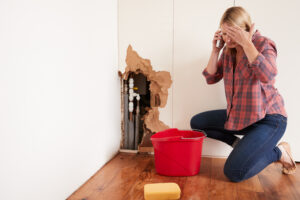
Leaks aren’t just a water waster. They’re also a major cause of low water pressure. When water escapes from a pipe before reaching your faucet, you’ll notice a reduction where you need it most.
What to look for: damp spots, puddles under sinks, or unusually high bills. Even small water leaks can result in low water pressure over time.
Clogged or Corroded Pipes
If you have hard water, minerals like calcium and magnesium can build up inside pipes, restricting the flow of water. Older metal pipes are especially vulnerable. Corrosion narrows your water pipe and affects the water pressure in your house, eventually leading to major plumbing issues if ignored.
Faulty Pressure Regulator
If your home is equipped with a pressure regulator, it plays a key role in controlling pressure coming from the main line. When a pressure regulator is failing, you might suddenly have high water pressure or barely a trickle. A plumber can test and replace this part easily.
Water Meter Valve Issues
Your water meter has a valve that controls how much water enters the home. If the water meter valve isn’t fully open, you’ll notice low pressure throughout the whole house.
A quick check ensures the valve is turned fully on. If unsure, contact your water supplier or a plumber.
Municipal Water Supply Problems
Sometimes the issue has nothing to do with your plumbing. If your water supplier is experiencing a service disruption, maintenance, or a broken water main, you’ll notice a drop in water pressure temporarily.
If neighbors also experience low water pressure, it’s likely a municipal water issue. Contact your water company or check local alerts.
Shared Water Supply & High Usage Times
Homes that share lines may experience low water pressure during peak usage. Morning routines and evening dishwashing times can mean less water reaching your fixtures.
Issues with Well Water Systems
If your home uses well water, low water pressure could point to a failing pump, clogged pressure switch, or an issue with the pressure tank. Problems inside the house, such as a failing hot water heater, can also affect the water supply.
Regular maintenance helps keep consistent water pressure in the whole home.
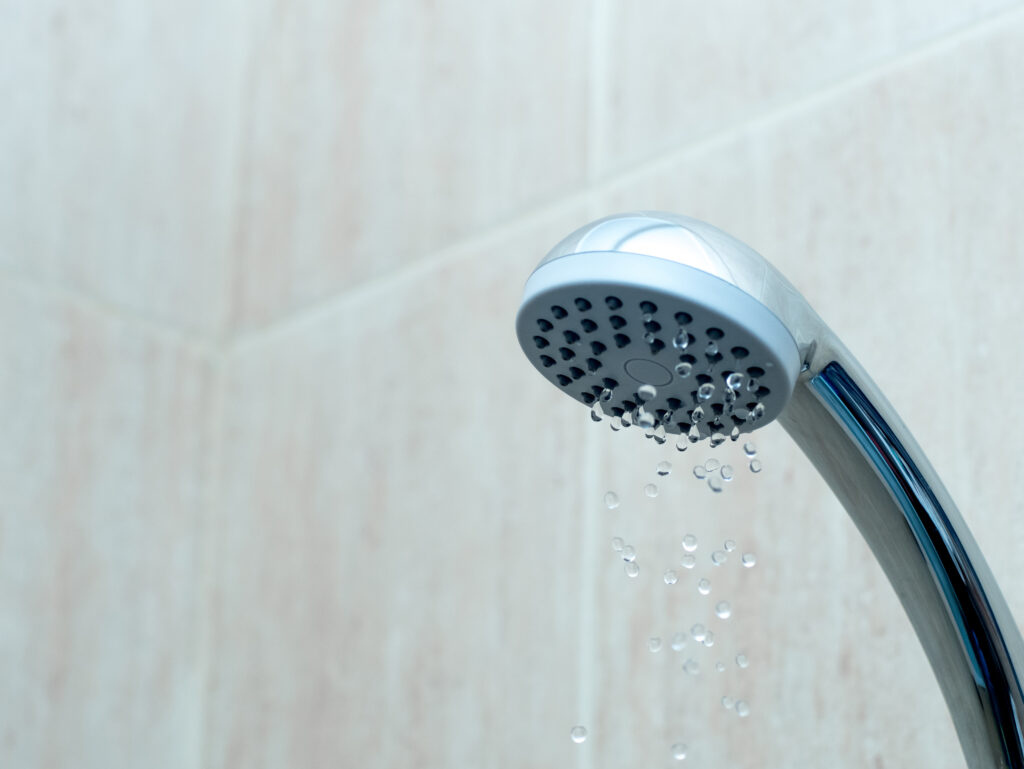
Clogged Faucet Aerators or Showerheads
Minerals from areas with hard water can build up in aerators and fixtures, creating low flow right at the faucet. These are easy to remove, clean, or replace.
How to Diagnose Low Water Pressure Issues
Pinpointing the reason for low water pressure doesn’t always require a pro. Here’s what you can do first:
Test Different Fixtures
If only one faucet has poor flow, it’s likely a localized water pressure issue. If pressure is low throughout the whole house, you may be dealing with a larger water pressure problem.
Inspect Visible Pipes
Check for rust, leaks, or corrosion around your water heater, under sinks, and along exposed pipes. Even a slow drip can affect water pressure in your home.
Use a Pressure Gauge
Attach a water pressure gauge to an outdoor faucet. Normal water pressure is around 40–60 psi. Readings lower than that indicate pressure problems that need attention.
Know When to Call a Plumber
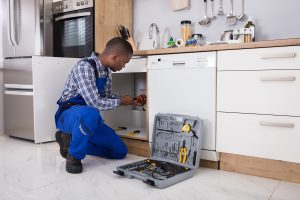
If DIY checks fail, contact a plumber to inspect deeper issues like hidden leaks, corroded pipes, a faulty regulator, or problems with the water main.
DIY Fixes for Low Water Pressure
Before calling a pro, try these quick fixes:
Clean Showerheads
Remove and soak them in vinegar to dissolve mineral buildup. This alone can restore normal water pressure.
Adjust Water Valves
Double-check that your main house shutoff valve and water meter valve are fully open. Partially closed valves are a common cause of low water pressure.
Flush Pipes
Running cold water through all faucets can help clear b uildup and improve water flow problems.
Tighten Fittings
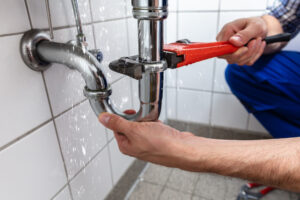
Loose connections at plumbing fixtures can allow water to escape and reduce your water pressure.
When to Call a Professional
If you still experience low water pressure after trying these steps, it may be time to plumb in a professional. Look for red flags:
- Pressure fluctuates throughout the home
- Strange noises in pipes
- Evidence of hidden leaks
- A significant reduction in water pressure
Why Professional Help Matters
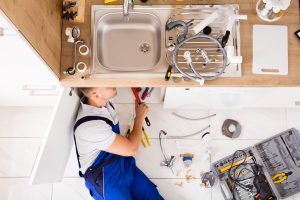
A plumber has tools like cameras to inspect the water system, check inside pipes, and determine whether you need repairs or to boost water with upgraded hardware.
What to Expect
A technician will check valves, regulators, your water main, and overall water usage patterns before recommending repairs or upgrades.
Preventing Low Water Pressure in the Future
Once you restore normal pressure, keep it that way with regular maintenance.
Regular Maintenance
Inspect pipes, clean aerators, and consider installing a water softener if you live in an area with hard water.
Upgrade Older Plumbing
Old galvanized pipes restrict water flow. Replacing them helps maintain consistent pressure and protects the pipes in your home.
Add Pressure-Boosting Equipment
A pressure booster pump or updated pressure regulator can improve pressure in the whole house, especially for homes far from the municipal water supply.
Final Thoughts
Low water pressure might seem like a small annoyance, but it can signal much bigger problems such as hidden leaks to issues with your water supplier. Catching it early prevents further damage and protects your plumbing system.
Not sure where to start? Contact your water supplier if you suspect city issues, or reach out to a licensed plumber to pinpoint the cause of low water pressure and restore your home’s water flow.

Anna has over six years of experience in the home services and journalism industries and serves as the Content Manager at MyHomePros.com, specializing in making complex home improvement topics like HVAC, roofing, and plumbing accessible to all. With a bachelor’s degree in journalism from Auburn University, she excels in crafting localized, comprehensive guides that cater to homeowners’ unique needs. Living on both coasts of the United States has equipped her with a distinctive perspective, fueling her passion for turning any house into a cherished home through informed, personalized decision-making.
Connect with top-rated local contractors who can help you with siding, roofing, HVAC, windows, and more. Get free quotes from verified professionals in your area today.