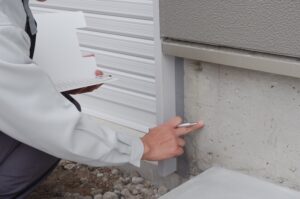


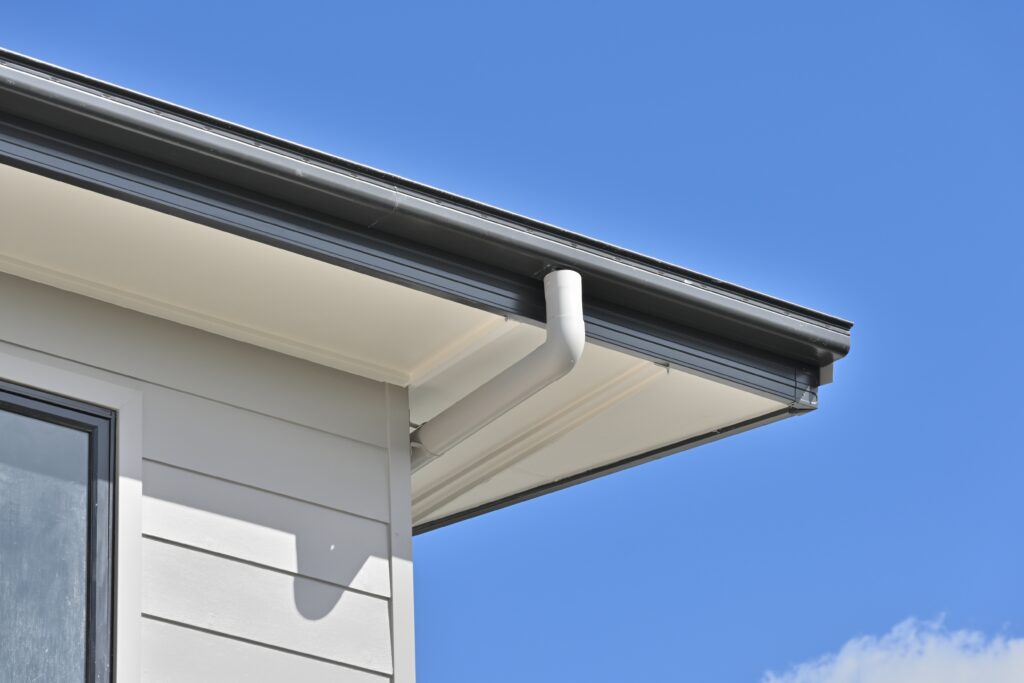
Your gutters play a huge role in protecting your foundation. When they’re clogged, sagging, or draining improperly, water doesn’t move away from your home the way it should. Instead, it collects around the base of your house, and that’s where expensive foundation problems begin.
Here are seven signs your gutters may be causing foundation damage — and what you can do about it.
How Gutters and Foundations Are Connected
Your foundation is surrounded by soil. When that soil gets saturated with water, it expands. When it dries out, it contracts. That constant movement puts pressure on your foundation walls.
If gutters aren’t directing water several feet away from your home, the soil directly around your foundation stays wet. Over time, that creates:
- Soil erosion
- Foundation settling
- Wall cracks
- Basement leaks
- Structural shifting
In simple terms: poor drainage equals foundation stress.
Actual costs depend on your location, project scope, and materials. The best way to know what you'll pay is to get quotes from local contractors.
Get Your Free Estimate →1. Water Pooling Around Your Foundation
After a heavy rain, take a walk around your house.
Do you see standing water near the base of your home? That’s a major red flag.
Water pooling around your foundation often means:
- Gutters are clogged and overflowing
- Downspouts are too short
- Gutters aren’t pitched correctly
- Underground drain lines are blocked
Even small amounts of pooling can lead to long-term soil saturation. If the water sits there repeatedly, foundation damage isn’t far behind.
2. Cracks in Foundation Walls
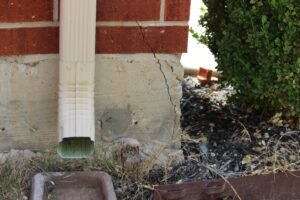
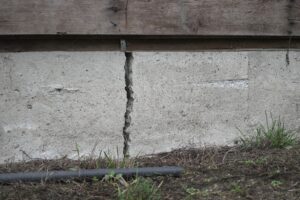
Not all foundation cracks are serious, but some are directly related to drainage issues.
When water builds up in the soil around your home, it creates something called hydrostatic pressure. That pressure pushes against your foundation walls.
Over time, you may see:
- Vertical cracks
- Stair-step cracks in brick
- Horizontal cracks (more serious)
Hairline cracks can be normal. Wider cracks or horizontal cracks should be evaluated quickly, especially if you’ve noticed drainage problems nearby.
"We matched with a great contractor the same day. The whole process was easy and completely free."
3. Basement or Crawl Space Moisture
Sometimes gutter problems show up inside before you realize what’s happening outside.
If your basement feels damp, smells musty, or shows water stains on the walls, your gutters may not be doing their job.
Watch for:
- Damp concrete walls
- White powdery residue (efflorescence)
- Mold growth
- Pooled water after storms
Overflowing gutters dump water directly against your foundation. That moisture eventually finds its way inside.
4. Soil Erosion Around the Perimeter
If you notice trenches forming around your home or exposed foundation areas, that’s erosion.
When gutters overflow, rainwater cascades straight down instead of flowing through downspouts. Over time, that heavy flow washes away protective soil and grading.
Proper grading should slope away from your home. When erosion removes that slope, water naturally flows back toward your foundation instead of away from it.
This makes future water problems worse.
5. Sagging or Detached Gutters
Take a look at your gutters from the side.
Are they pulling away from the house? Do they sag in the middle?
Sagging gutters often collect water instead of draining properly. That trapped water eventually spills over the edges, usually right next to your foundation.
Loose fasteners, rotted fascia boards, and improper installation can all cause gutters to fail.
Even if they look mostly intact, small alignment issues can dramatically impact drainage.
Why Hire a Licensed Professional
- Licensed & insured — protects you from liability
- Warranty coverage — manufacturers require pro installation
- Code compliance — avoids permit issues
- Faster completion — pros finish in days, not weeks
6. Mold or Mildew on Exterior Walls
If you’re seeing mold or dark streaks on your siding near the base of your home, excessive moisture may be the culprit.
When gutters overflow repeatedly, water runs down exterior walls instead of through the drainage system. That constant moisture creates the perfect environment for mold and mildew growth.
It’s not just cosmetic. Persistent moisture near the foundation can weaken materials over time.
DIY vs. Professional: At a Glance
7. Doors and Windows Sticking
This one surprises a lot of homeowners.
If your doors suddenly start sticking or windows feel misaligned, foundation movement may be happening underneath.
When soil becomes oversaturated from poor gutter drainage, it expands. When it dries out, it shrinks. That cycle causes your foundation to shift slightly.
Even small shifts can impact door frames, window alignment, and interior walls.
If sticking doors are combined with drainage issues, it’s worth investigating further.
How Clogged Gutters and Downspouts Lead to Foundation Damage
Clogged gutters are one of the most common causes of foundation issues.
Leaves, debris, and shingle grit block water flow. Instead of moving through downspouts, rainwater spills over the edges.
Short downspouts are another common problem. If water is released just inches from your foundation, it simply seeps back into the surrounding soil.
Ideally, downspouts should extend at least 4 to 6 feet away from your home.
Underground drain systems can also clog. If you have buried downspout lines, they should be inspected periodically.
Spring and summer are the busiest seasons for home improvement projects — top-rated contractors book up fast. Lock in your estimate now before demand peaks.
Check Availability in Your Area →How to Prevent Gutters from Damaging Your Foundation
Most gutter-related foundation problems are preventable.
Here’s what helps:
- Clean gutters at least twice per year
- Install gutter guards if debris buildup is frequent
- Extend downspouts 4–6 feet away from the house
- Check that gutters are properly pitched
- Maintain proper yard grading
- Inspect after heavy storms
These simple steps can save you thousands in foundation repair costs.
Ready to Move Forward?
Tell us about your project and get matched with up to 3 pre-screened contractors. Compare quotes, check reviews, and hire with confidence.
When to Call a Professional
If you notice:
- Horizontal foundation cracks
- Significant water intrusion
- Rapid soil erosion
- Multiple sticking doors and windows
It’s time to bring in a professional.
A foundation specialist can determine whether you’re dealing with minor drainage correction or structural repairs.
Catching the issue early makes a big difference.
How Much Can Foundation Repairs Cost?
Foundation repair costs vary widely depending on severity.
- Minor crack repair: $500–$1,500
- Drainage correction: $1,000–$5,000
- Major structural foundation repair: $5,000–$25,000+
Compared to routine gutter maintenance, foundation repairs are significantly more expensive.
Prevention is almost always the smarter investment.
Final Thoughts
Your gutters may seem like a small part of your home, but they play a huge role in protecting your foundation.
If you’re seeing pooling water, cracks, moisture in your basement, or signs of soil erosion, your gutters could be the underlying issue.
Most problems start small. Regular inspections and basic maintenance go a long way in preventing serious structural damage.
A quick look at your gutters today could save you from a major foundation repair tomorrow.
Connect with top-rated local contractors who can help you with siding, roofing, HVAC, windows, and more. Get free quotes from verified professionals in your area today.