

Installing new flooring is one of the best ways to upgrade your home, but getting it right takes more than just picking a style you love. From deciding whether cabinets go in before flooring to handling transitions and thresholds, the details matter.
Whether you’re planning a DIY project or working with a contractor, here’s what every homeowner should know before getting started.
Do You Install Cabinets or Flooring First?
This is one of the biggest decisions in any flooring project, and the answer depends on the type of flooring you’re installing.
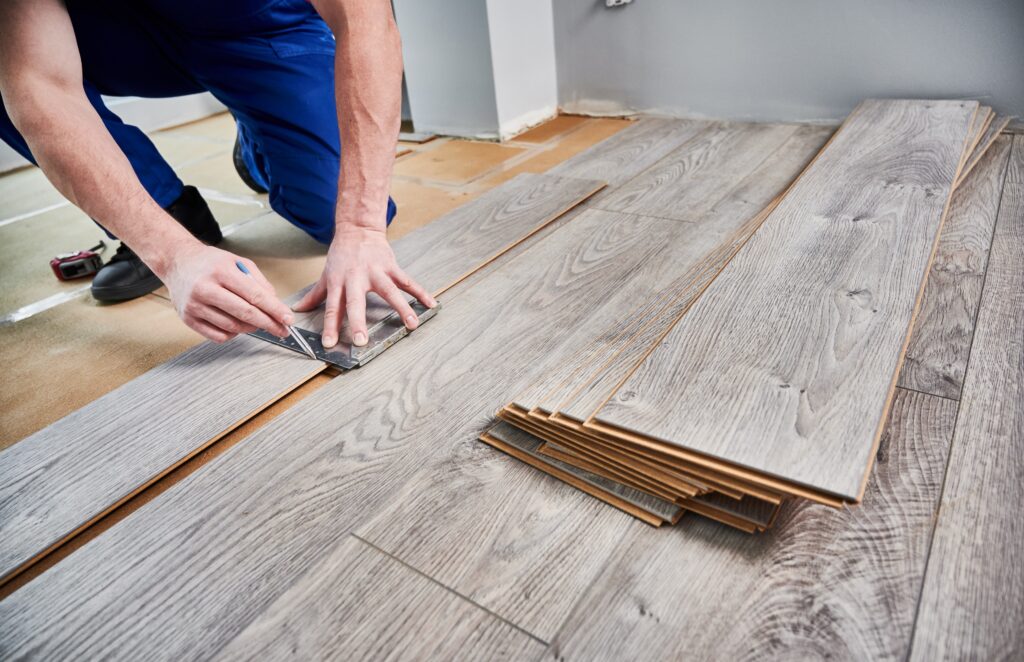
If you’re using floating flooring like luxury vinyl plank (LVP) or laminate, cabinets should go in first. These materials expand and contract with temperature and humidity changes, and placing heavy cabinets on top can restrict movement and lead to buckling or damage.
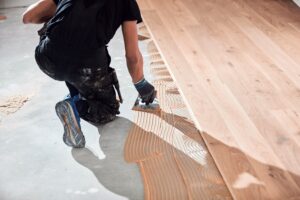
On the other hand, if you’re installing glued or nailed-down flooring like hardwood or tile, it often makes sense to install flooring first. This creates a cleaner, more continuous look and makes it easier to change your layout later without patching gaps.
Actual costs depend on your location, project scope, and materials. The best way to know what you'll pay is to get quotes from local contractors.
Get Your Free Estimate →Need professional help with your project?
Get quotes from top-rated pros.
Find Local ProsUnderstanding Expansion Gaps and Why They Matter
Expansion gaps are one of the most important parts of a successful flooring installation.
Most flooring materials naturally expand and contract over time. Leaving a small gap along walls and fixed objects allows for this movement. Without it, your floors can warp, lift, or develop pressure points.
The good news is these gaps won’t be visible. Baseboards, quarter round, or trim will cover them, giving your space a polished finish while protecting your investment.
"We matched with a great contractor the same day. The whole process was easy and completely free."
How to Handle Flooring Transitions Between Rooms
Transitions play a big role in both the look and functionality of your floors. They connect different rooms and flooring types while preventing uneven edges and trip hazards.
There are a few common transition pieces you’ll likely need:
- T-molding: Ideal for connecting floors of equal height, like LVP to LVP
- Reducer strips: Used when one floor sits higher than the other
- End caps (thresholds): Perfect for edges near doors, fireplaces, or sliding glass doors
Choosing the right transition helps create a smooth flow throughout your home while protecting the edges of your flooring from wear and tear.
What Are Thresholds and Where Do You Need Them?
Thresholds are typically installed in doorways or where two different flooring materials meet. While they’re sometimes confused with transitions, thresholds are often more structural and sit slightly higher.
You’ll commonly see thresholds:
- At exterior doors
- Between tile and hardwood or LVP
- In bathrooms or laundry rooms where moisture control is important
They help protect flooring edges, create a clean break between spaces, and can even prevent water from spreading into other areas of your home.
Why Hire a Licensed Professional
- Licensed & insured — protects you from liability
- Warranty coverage — manufacturers require pro installation
- Code compliance — avoids permit issues
- Faster completion — pros finish in days, not weeks
Subfloor Preparation: The Step You Can’t Skip
No matter how high-quality your flooring is, it’s only as good as the subfloor underneath it.
Before installation, your subfloor should be:
- Clean and free of debris
- Dry and moisture-free
- Level, with no dips or high spots
Skipping proper prep can lead to squeaky floors, uneven planks, and premature damage. In some cases, adding an underlayment can improve sound insulation, moisture protection, and overall comfort underfoot.
DIY vs. Professional: At a Glance
Acclimating Your Flooring Materials
Many flooring types need time to adjust to your home’s environment before installation.
This process, known as acclimation, allows the material to stabilize based on your home’s temperature and humidity levels. Skipping this step can cause boards to shrink, expand, or gap after installation.
As a general rule, let your flooring sit inside your home for at least 48–72 hours before installing it. Always check manufacturer recommendations for best results.
Common Flooring Installation Mistakes to Avoid
Even small mistakes during installation can lead to big problems later. Here are some of the most common issues homeowners run into:
- Installing flooring over an uneven subfloor, which causes movement and noise
- Forgetting expansion gaps, leading to buckling or warping
- Using the wrong transition pieces for height differences
- Installing cabinets over floating floors
- Skipping acclimation
- Not following manufacturer guidelines
Spring and summer are the busiest seasons for home improvement projects — top-rated contractors book up fast. Lock in your estimate now before demand peaks.
Check Availability in Your Area →DIY vs. Hiring a Professional Installer
Many homeowners consider DIY flooring installation to save money.Simple layouts and click-lock flooring systems like LVP are often DIY-friendly. However, more complex materials like tile or hardwood require precision, specialized tools, and experience.
Hiring a professional can help you avoid costly errors, speed up the process, and ensure everything is done correctly the first time.
Ready to Move Forward?
Tell us about your project and get matched with up to 3 pre-screened contractors. Compare quotes, check reviews, and hire with confidence.
Final Tips for a Successful Flooring Installation
A little planning is key when it comes to flooring. Before starting your project:
- Measure carefully and account for waste
- Choose materials that match your lifestyle and traffic levels
- Plan transitions and thresholds ahead of time
- Follow manufacturer instructions closely
Taking these steps upfront will help you achieve a smoother installation overall.
Find a Local Flooring Contractor You Can Trust
Not sure where to start or want to make sure your flooring is installed the right way? Connecting with a local flooring professional can save time and reduce stress. .
Get matched with trusted contractors in your area to compare quotes, explore options, and bring your flooring project to life.
Connect with top-rated local contractors who can help you with siding, roofing, HVAC, windows, and more. Get free quotes from verified professionals in your area today.