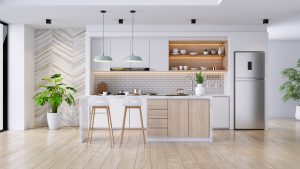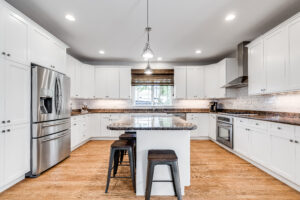


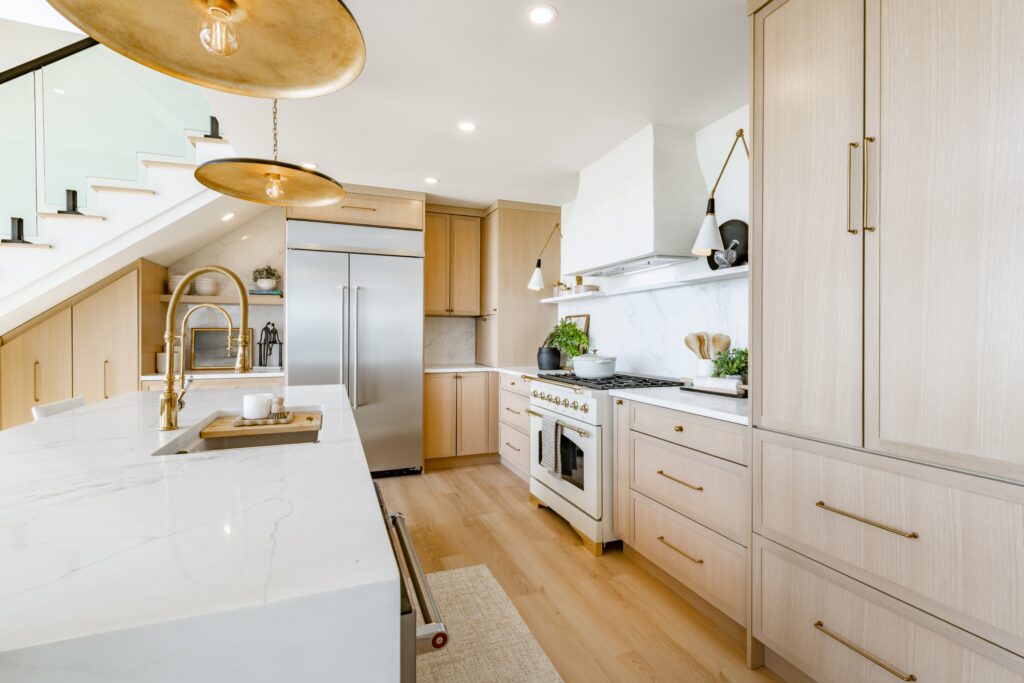
If you’re planning a kitchen remodel, one of the first things you’ll run into is just how many “types” of kitchens there are. It can start to feel like a mix of layouts, styles, and buzzwords.
Kitchen types fall into a few simple categories: layout, style, and function. Once you understand those, it’s much easier to design a space that actually works for your home and your day-to-day life.
What Defines a “Kitchen Type”?
Not all kitchen types mean the same thing—and that’s where a lot of confusion comes in.
Some terms describe layout, like galley, L-shaped, or U-shaped kitchens. These focus on how your counters, cabinets, and appliances are arranged.
Others describe style, like shaker, modern, or farmhouse. These focus more on the look and feel of your cabinets, finishes, and design details.
Then you have kitchens defined by function, like gourmet or chef’s kitchens, which are built around how you cook and use the space.
Most kitchens are actually a combination of all three. For example, you might have an open-concept L-shaped kitchen with shaker cabinets and chef-style features.
Actual costs depend on your location, project scope, and materials. The best way to know what you'll pay is to get quotes from local contractors.
Get Your Free Estimate →Galley Kitchen: Small but Efficient
A galley kitchen is one of the most straightforward layouts. It features two parallel walls or countertops with a walkway in between.
This setup is incredibly efficient because everything is within arm’s reach. That’s why it’s common in smaller homes, apartments, and older properties.
The downside? It can feel tight if not designed well. Good lighting, lighter colors, and smart storage can make a big difference in keeping the space from feeling cramped.
L-Shaped and U-Shaped Kitchens: Flexible and Functional
If you have a little more space to work with, L-shaped and U-shaped kitchens are two of the most popular layouts.
An L-shaped kitchen uses two connected walls, which helps open up the space and makes it easier to add a dining area or island. It’s a great all-around option for most homes.
A U-shaped kitchen adds a third wall, giving you more counter space and storage. It’s ideal if you cook often or need multiple prep areas, but it does work best in slightly larger kitchens.
Both layouts support the classic “kitchen triangle” (sink, stove, fridge), which helps keep everything flowing efficiently.
"We matched with a great contractor the same day. The whole process was easy and completely free."
Open-Concept Kitchens: Built for Everyday Living
Open-concept kitchens have become a go-to for modern homes.
Instead of being closed off, the kitchen flows into the living or dining area. This makes the space feel bigger and more connected, which is perfect if you like to entertain or just want a more social layout.
Most open kitchens include features like islands, bar seating, and cohesive finishes that tie everything together. The key is making sure it still feels functional, not just open.
Gourmet Kitchens: High-End and Designed to Impress
A gourmet kitchen is all about combining style and performance.
These kitchens usually include premium materials like quartz or marble countertops, custom cabinetry, and upgraded appliances. You’ll often see large islands, built-in features, and plenty of space for both cooking and gathering.
They’re designed to look great, but also to handle real use if you entertain often.
Chef’s Kitchen: Built for Serious Cooking
A chef’s kitchen takes things a step further by focusing heavily on function.
This type of kitchen is designed for people who cook a lot and need the space to support it. Think professional-grade appliances, lots of prep space, smart storage, and a layout that minimizes unnecessary movement.
While gourmet kitchens lean more into luxury, chef’s kitchens prioritize efficiency. Of course, many homeowners blend the two.
Why Hire a Licensed Professional
- Licensed & insured — protects you from liability
- Warranty coverage — manufacturers require pro installation
- Code compliance — avoids permit issues
- Faster completion — pros finish in days, not weeks
Shaker Kitchen: Clean, Classic, and Timeless
A shaker kitchen prioritizes style over layout.
Shaker cabinets are known for their simple, clean lines and recessed panel doors. They’re incredibly versatile and work well in both traditional and modern homes.
If you want something that won’t feel outdated in a few years, shaker is a safe (and popular) choice. It pairs easily with different countertops, backsplashes, and hardware styles.
DIY vs. Professional: At a Glance
Modern and Contemporary Kitchens: Sleek and Minimal
Modern kitchens focus on simplicity and clean design.
You’ll usually see flat-panel cabinets, minimal hardware, neutral colors, and integrated appliances that blend into the cabinetry. Everything is streamlined and intentional.
These kitchens are great if you prefer a clutter-free look and want a space that feels polished and up-to-date.
Farmhouse Kitchens: Warm and Inviting
On the opposite end of the spectrum, farmhouse kitchens are all about comfort and character.
They often include features like apron-front sinks, open shelving, wood accents, and softer, more lived-in finishes. The goal is to create a space that feels welcoming and functional at the same time.
Farmhouse style works especially well if you want a kitchen that feels less formal and more relaxed.
Spring and summer are the busiest seasons for home improvement projects — top-rated contractors book up fast. Lock in your estimate now before demand peaks.
Check Availability in Your Area →How to Choose the Right Kitchen Type for Your Home
With so many options, the “right” kitchen really comes down to your space and how you use it.
If your kitchen is smaller, a galley or L-shaped layout may be the most practical. If you have more room, an open-concept or U-shaped kitchen can give you extra flexibility.
From a style standpoint, think long-term. Shaker and farmhouse styles tend to have lasting appeal, while modern kitchens offer a more current, streamlined look.
The key is finding the right balance between layout, style, and function.
Ready to Move Forward?
Tell us about your project and get matched with up to 3 pre-screened contractors. Compare quotes, check reviews, and hire with confidence.
Common Kitchen Design Mistakes to Avoid
Even a beautiful kitchen can fall short if it’s not designed well.
One of the biggest mistakes is choosing a layout that doesn’t fit your space. For example, trying to force an island into a small kitchen can make it feel cramped instead of functional.
Another common issue is ignoring workflow. If your sink, stove, and fridge aren’t positioned well, cooking becomes more of a hassle than it should be.
It’s also easy to focus too much on aesthetics and forget about storage, counter space, and everyday usability.
Final Tips for Planning Your Kitchen Design
Before you jump into a remodel, take a step back and think about how you actually use your kitchen.
Do you cook daily or mostly reheat meals? Do you entertain often? Do you need more storage or more open space?
Answering those questions will help guide your decisions and make sure your kitchen works for your lifestyle.
Find a Local Kitchen Remodeling Expert
If you’re ready to upgrade your space, connecting with a local kitchen remodeling professional can help you plan your layout, choose the right materials, and bring everything together without the guesswork.
Get matched with trusted contractors in your area and start building a kitchen that fits your home.
Connect with top-rated local contractors who can help you with siding, roofing, HVAC, windows, and more. Get free quotes from verified professionals in your area today.