
Basement moisture problems are one of those homeowner issues that tend to start small and then quietly get worse. They’re easy to ignore at first but over time, moisture in your basement can lead to mold, structural damage, and expensive repairs if it’s not addressed the right way.
Most basement moisture problems are fixable once you understand what’s causing them. Let’s break it all down in plain language so you can spot the issue early and choose a solution that actually works.
Basement moisture problems happen when water or humidity finds its way into a space that naturally wants to stay dry. Because basements sit below ground level, they’re surrounded by soil that holds moisture, especially after rain or snowmelt.
That makes basements uniquely vulnerable to:
- Damp walls
- Condensation
- Seepage through cracks
- Persistent humidity
Ignoring these signs doesn’t make them go away. It usually just gives moisture more time to cause damage.
Common Signs of Basement Moisture Problems
Not all moisture problems look dramatic. Some are subtle at first. Watch for:
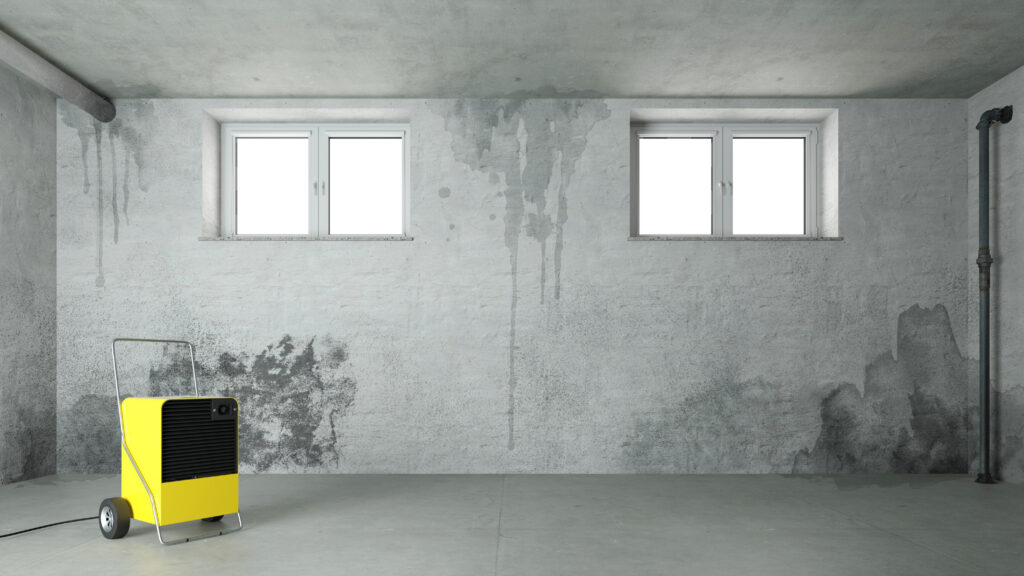
- Damp or wet basement walls
- Musty or “earthy” odors
- Visible mold or mildew spots
- White, chalky residue on walls (efflorescence)
- Peeling paint or bubbling wall coverings
- Warped flooring or damaged drywall
- Puddles or standing water after rain
If you’re noticing more than one of these, moisture is likely getting in somehow.
What Causes Basement Moisture Problems?
Poor Drainage Around the Foundation
This is one of the most common culprits. If water isn’t directed away from your home, it collects near the foundation and eventually finds a way inside.
Common issues include:
- Soil sloping toward the house instead of away
- Clogged gutters
- Downspouts dumping water right next to the foundation
Water pooling around your home is never a good sign.
Foundation Cracks and Gaps
Small cracks in foundation walls or floors can let moisture seep in, especially during heavy rain.
- Hairline cracks may cause minor dampness
- Larger cracks can allow steady water intrusion
- Gaps around utility lines are also common entry points
Cracks don’t always mean major structural problems, but they shouldn’t be ignored.
Hydrostatic Pressure
This sounds complicated, but the idea is simple. When the soil around your foundation becomes saturated, water pressure builds up and pushes moisture through porous concrete walls and floors.
This is why some basements get wet even without visible cracks.
High Humidity and Condensation
Sometimes the problem isn’t water getting in, it’s moisture forming inside.
Warm, humid air hitting cool basement surfaces creates condensation, which can:
- Make walls feel damp
- Cause water droplets on pipes or walls
- Mimic the appearance of leaks
This is especially common in summer.
Plumbing Leaks
Slow leaks from pipes, water heaters, or appliances can quietly create moisture problems over time. Because basements often house plumbing systems, leaks can go unnoticed for weeks or months.
Why Basement Moisture Is a Bigger Problem Than It Seems
Basement moisture isn’t just annoying. It can cause real damage.
Potential issues include:
- Mold and mildew growth
- Rotting wood framing
- Damage to finished basement materials
- Poor indoor air quality throughout the home
- Lower resale value
Moist air from the basement often rises into the rest of the house, affecting overall comfort and health.
Basement Moisture Solutions Based on the Cause
Improve Exterior Drainage
Sometimes the fix starts outside.
Effective drainage solutions include:
- Regrading soil to slope away from the foundation
- Cleaning gutters regularly
- Extending downspouts several feet away from the house
These simple steps can dramatically reduce moisture problems.
Seal Foundation Cracks
Cracks can often be sealed using epoxy or polyurethane injections. These materials flex slightly with the foundation and help block water entry.
Larger or recurring cracks may require professional evaluation.
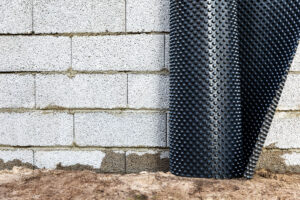
Install a Basement Waterproofing System
For ongoing moisture issues, waterproofing systems may be necessary:
- Interior drainage systems collect and redirect water
- Sump pumps remove water before it builds up
- Battery backups protect during power outages
In severe cases, exterior waterproofing may be needed.
Reduce Basement Humidity
If condensation is the issue, focus on humidity control:
- Use a properly sized dehumidifier
- Improve ventilation
- Insulate cold water pipes and basement walls
Lower humidity means less moisture forming on surfaces.
Address Plumbing Issues
Fix leaks as soon as they’re discovered. Even small drips can create long-term moisture problems if left unchecked.
DIY vs Professional Basement Moisture Solutions
Some fixes are DIY-friendly, like:
- Cleaning gutters
- Extending downspouts
- Running a dehumidifier
But recurring moisture, standing water, or mold growth usually signals a deeper issue that needs professional help. Cosmetic fixes alone rarely solve the root problem, and some repairs are genuinely beyond what a weekend project can address.
How to Prevent Basement Moisture Problems
Prevention goes a long way:
- Inspect gutters and downspouts seasonally
- Check foundation walls for new cracks
- Keep humidity levels in check
- Address leaks immediately
Staying proactive is far cheaper than repairing long-term damage.
Basement Moisture vs Basement Flooding
Moisture problems and flooding aren’t the same:
- Moisture involves dampness, seepage, or condensation
- Flooding involves significant water intrusion
They often require different solutions and different insurance coverage.
How Much Does It Cost to Fix Basement Moisture Problems?
Costs vary widely depending on the cause:
- Simple drainage fixes: a few hundred dollars
- Crack sealing: a few hundred to a couple thousand
- Waterproofing systems: several thousand dollars
Fixing problems early is almost always less expensive, and having a clear budget before you start helps avoid costly surprises.
Common Basement Moisture Myths
“A damp basement is normal.” Some humidity is normal. Persistent moisture is not.
“Waterproof paint will fix it.” Paint may hide the problem but won’t stop water intrusion.
“Cracks always mean foundation failure.” Not true—but they do need attention.
FAQs About Basement Moisture Problems
Is basement moisture normal? Some humidity is common, but wet walls or odors aren’t.
Can a dehumidifier fix basement moisture? It helps with condensation, but not with leaks or seepage.
Do moisture problems always mean foundation issues? No—drainage and humidity are common causes.
Can basement moisture affect upstairs air quality? Yes. Air moves upward through the home.
When should I call a professional? If moisture keeps returning or water is visible, it’s time.
Solving Basement Moisture Problems the Right Way
Basement moisture problems don’t fix themselves and ignoring them usually makes things worse. The key is identifying the root cause and matching it with the right solution, whether that’s better drainage, sealing cracks, or installing a waterproofing system.
A dry basement protects your home’s structure, improves air quality, and gives you peace of mind. And once it’s handled properly, it’s one of the smartest investments you can make in your home’s long-term value.

Anna has over six years of experience in the home services and journalism industries and serves as the Content Manager at MyHomePros.com, specializing in making complex home improvement topics like HVAC, roofing, and plumbing accessible to all. With a bachelor’s degree in journalism from Auburn University, she excels in crafting localized, comprehensive guides that cater to homeowners’ unique needs. Living on both coasts of the United States has equipped her with a distinctive perspective, fueling her passion for turning any house into a cherished home through informed, personalized decision-making.
Connect with top-rated local contractors who can help you with siding, roofing, HVAC, windows, and more. Get free quotes from verified professionals in your area today.