

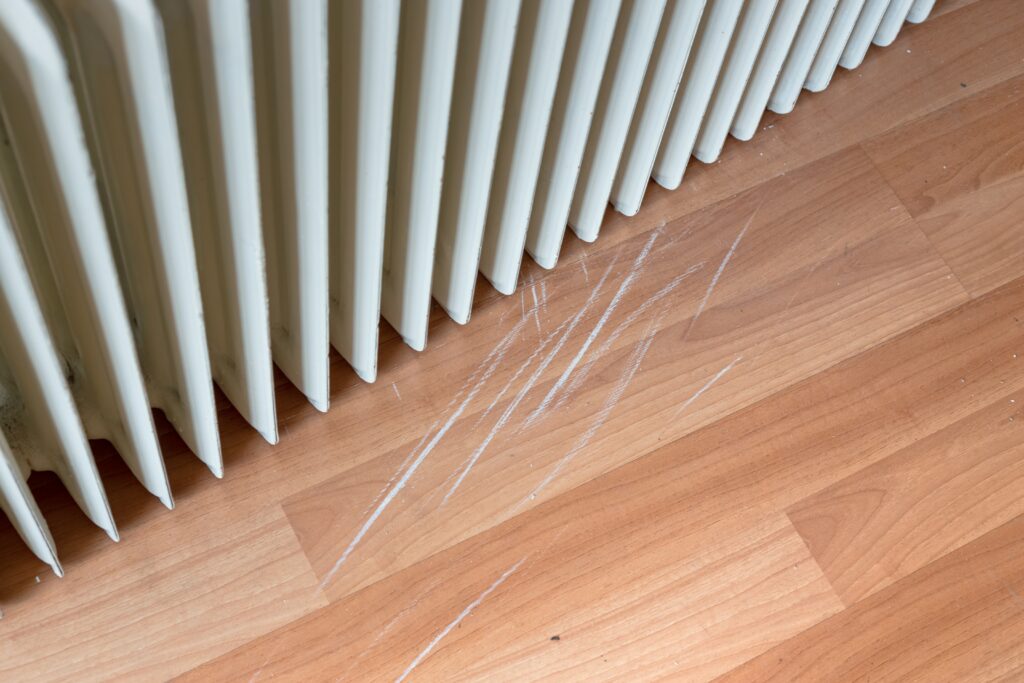
Floors take a beating from pets, furniture, spills, and everyday foot traffic. Over time, scratches, tears, cracks, and water damage are almost unavoidable. However, you don’t always need to replace your entire floor to fix the problem.
With the right approach, you can handle many common flooring repairs yourself. Here’s how to fix damage across different flooring types without making things worse.
Common Types of Flooring Damage
Most flooring issues fall into a few categories. Scratches and scuffs are the most common, especially in high-traffic areas. Cracks and chips tend to show up in tile, stone, or even hardwood over time. Vinyl and carpet are more prone to tears and gouges, while water damage can affect almost any material, causing warping, swelling, or staining.
The key thing to remember: repair methods depend on the material. What works for hardwood won’t work for laminate or vinyl.
How to Fix Scratches on Different Flooring Types
Scratches can range from barely noticeable to deep and obvious, so the fix depends on how bad they are.
Actual costs depend on your location, project scope, and materials. The best way to know what you'll pay is to get quotes from local contractors.
Get Your Free Estimate →Need professional help with your project?
Get quotes from top-rated pros.
Find Local ProsFor hardwood floors, light scratches can often be covered with wood markers or stain pens that match your floor color. Deeper scratches may require light sanding and refinishing the affected area to blend it back in.
With laminate flooring, you’ll want to avoid sanding altogether since it can damage the top layer. Instead, use a laminate repair kit or wax filler to fill in the scratch and restore the surface.
For vinyl flooring (including LVP and sheet vinyl), minor scratches can sometimes be buffed out. If not, a vinyl repair kit or seam sealer can help disguise the damage.
When it comes to tile, small surface scratches can sometimes be polished out. But if the damage is deep, replacing the tile is usually the better long-term fix.
"We matched with a great contractor the same day. The whole process was easy and completely free."
How to Repair Tears and Gouges
Tears and gouges are more serious than surface scratches, but they’re still fixable in many cases.
For vinyl flooring, patch kits are your best friend. You can fill the damaged area or cut out the section and replace it with a matching piece, especially with sheet vinyl.
With carpet, repairs usually involve cutting out the damaged section and replacing it with a patch from leftover carpet. Seam tape and adhesive help secure the patch and blend it in.
For laminate flooring, you typically can’t patch damage. Instead, you’ll need to replace the affected planks. Luckily, most modern laminate floors use click-lock systems, which makes swapping out boards fairly straightforward.
How to Fix Water-Damaged Flooring
Water damage is one of the most common and costly flooring issues, so acting quickly is key.
For hardwood floors, dry the area immediately using fans and dehumidifiers. If the boards have warped slightly, sanding and refinishing may restore them. Severe damage usually means replacing individual boards.
With laminate flooring, water damage often leads to swelling, and unfortunately, those boards can’t be repaired. The best option is to remove and replace the affected planks.
For vinyl flooring, water may seep underneath. In that case, you’ll need to lift the flooring, dry out the subfloor, and reinstall or replace sections.
Tile flooring tends to handle water better, but moisture can still get into grout or the subfloor. If tiles crack or loosen, they may need to be replaced.
How to Repair Cracks and Chips
Cracks and chips are common in harder materials like tile, stone, and concrete, but they’re usually fixable.
For tile or stone, small cracks can be filled with epoxy or a color-matched filler. If the crack spreads or affects the integrity of the tile, replacement is the better option.
With concrete flooring, crack fillers or sealants can smooth out the surface and prevent further damage. Once repaired, you can refinish the area for a clean look.
For hardwood floors, small cracks can be filled with wood filler, while seasonal gaps between boards can be addressed with flexible caulking.
Why Hire a Licensed Professional
- Licensed & insured — protects you from liability
- Warranty coverage — manufacturers require pro installation
- Code compliance — avoids permit issues
- Faster completion — pros finish in days, not weeks
DIY vs. Hiring a Flooring Professional
A lot of minor repairs like scratches, small patches, or replacing a plank are DIY-friendly. But if the damage is widespread, structural, or caused by significant water exposure, it’s usually worth calling in a professional.
They can assess underlying issues and make sure the repair is done right the first time.
DIY vs. Professional: At a Glance
Tools and Materials You’ll Need
Most flooring repairs don’t require a full toolbox, but having the right materials helps. Common items include repair kits, wood filler, epoxy, adhesives, sandpaper, and putty knives. For larger fixes, you may also need replacement planks, tiles, or carpet pieces.
Spring and summer are the busiest seasons for home improvement projects — top-rated contractors book up fast. Lock in your estimate now before demand peaks.
Check Availability in Your Area →How to Prevent Future Flooring Damage
Once your floors are repaired, keeping them in good shape is all about prevention.
Adding rugs in high-traffic areas can reduce wear and tear, while furniture pads help prevent scratches. Cleaning up spills quickly is especially important for moisture-sensitive materials like hardwood and laminate.
Maintaining proper humidity levels in your home can also help prevent cracking or warping over time.
Common Flooring Repair Mistakes to Avoid
One of the biggest mistakes is using the wrong repair method for your flooring type. For example, sanding laminate or using too much water on wood floors can make the problem worse.
Another common issue is ignoring water damage or trying to patch over it without fixing the underlying cause. And when it comes to cosmetic fixes, mismatched colors or overfilling can make repairs more noticeable instead of less.
Ready to Move Forward?
Tell us about your project and get matched with up to 3 pre-screened contractors. Compare quotes, check reviews, and hire with confidence.
When It’s Better to Replace Your Flooring
Sometimes repairs just aren’t enough. If your flooring has widespread damage, structural issues, or mold, replacement may be the better long-term solution.
It’s also worth considering replacement if your flooring is outdated or if the cost of multiple repairs starts to add up.
Final Thoughts: Restore Your Floors Without Overspending
Floor damage doesn’t always mean starting from scratch. In many cases, a simple repair can restore the look of your floors and extend their lifespan.
The key is acting quickly, using the right method for your flooring type, and knowing when to bring in a professional.
Connect with top-rated local contractors who can help you with siding, roofing, HVAC, windows, and more. Get free quotes from verified professionals in your area today.