
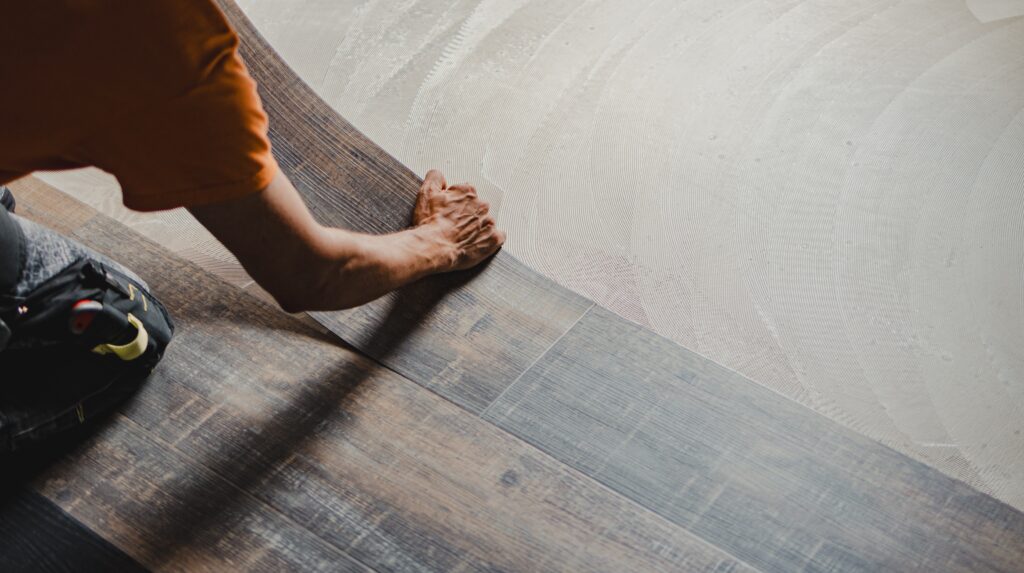
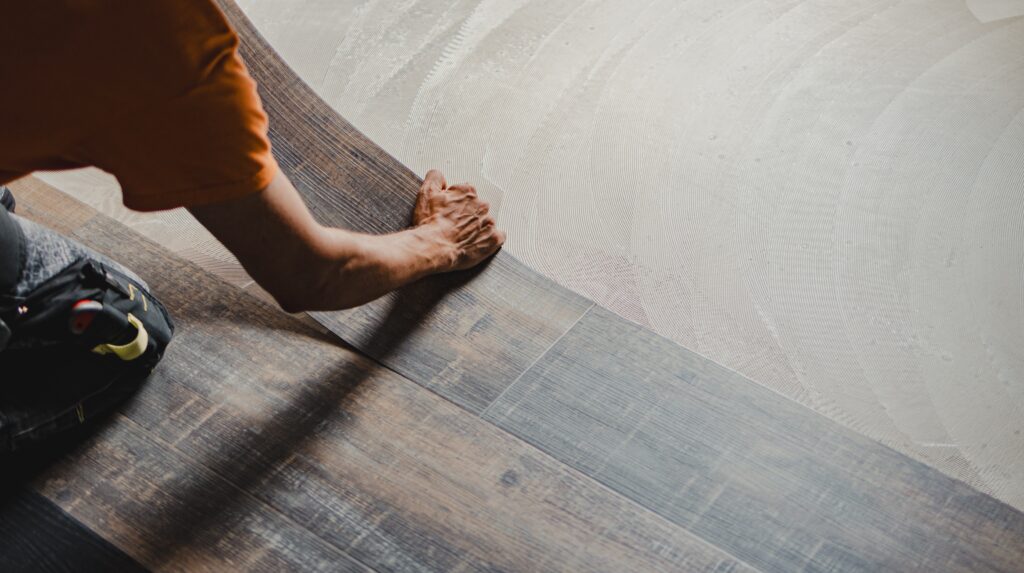
Luxury vinyl plank (LVP) flooring gives you the high-end look of real hardwood without the high-end price tag. It is waterproof, scratch-resistant, and significantly more affordable than traditional wood floors. If you are planning a renovation, understanding the price of materials and installation is the first step toward building a realistic budget.
Average Costs for LVP Flooring
For a standard professional installation, most homeowners across the U.S. can expect to pay between $4 and $16 per square foot. This total includes both the flooring materials and the installation.
If you are looking at material costs alone for a DIY project, prices generally range from $2 to $7 per square foot.
The final price tag often depends on the quality of the product you choose. Budget-friendly projects typically land between $4 and $7 per square foot installed. Mid-range installations using rigid core planks often cost between $6 and $10 per square foot installed. High-end projects with premium designer planks and complex layouts usually range from $9 to $16 per square foot installed.
Cost Comparison: LVP vs. Other Flooring
It is helpful to see how luxury vinyl stacks up against other popular options. While prices vary by region and product tier, the table below outlines the common ranges you can expect.
| Flooring Type | Material Cost (per sq. ft.) | Installed Cost (per sq. ft.) | Key Advantage |
| LVP | $2 – $7 | $4 – $16 | Waterproof, durable, low maintenance |
| Laminate | Under $2 – $5+ | $4 – $14 | Crisp wood visuals at a low price |
| Carpet | Varies | $2 – $8 | Soft, warm, quiet |
| Ceramic/Porcelain Tile | $3 – $10+ | $8 – $15+ | Long lifespan, very durable |
| Engineered Wood | $4 – $9 | Often higher than LVP | Real wood feel with better stability |
| Solid Hardwood | $8 – $15+ | $10 – $27+ | Strong resale appeal, can last decades |
Key Factors That Influence Your Quote
Your project total is rarely just the cost of the box of planks times your square footage. Several technical specifications and brand factors influence the final price. Understanding these “price drivers”helps you choose the right floor without overspending on features you don’t need.
| Factor | What It Means | How It Affects Price |
| Thickness | Overall plank thickness (usually 3mm–8mm) | Thicker planks cost more and can feel sturdier and quieter. |
| Wear Layer | Clear protective top coat (measured in mils) | A thicker wear layer improves scratch and stain resistance and increases price. |
| Core Type | The structural center of the plank | SPC is dense and durable (often mid-priced). WPC is softer and quieter (often premium). |
| Aesthetics/Texture | Print quality, embossing, edge detail | More realistic visuals and textured finishes generally cost more. |
| Brand & Warranty | Reputation and coverage length | Established brands may cost more due to QC, performance, and stronger warranties. |
Material Quality and Core Types
The specific type of vinyl you choose is the biggest cost driver. You will typically encounter three main categories.
- Flexible LVP: This is the standard “glue-down” vinyl. It is thin and flexible which makes it the most affordable option at $2.00 to $4.00 per square foot for materials. It works best in low-traffic areas or utility spaces.
- Rigid Core (SPC): Stone Plastic Composite (SPC) is the industry standard for most homes today. It has a dense core that resists dents and temperature changes. It is waterproof and highly durable with material costs ranging from $2.50 to $5.00 per square foot.
- Wood Plastic Composite (WPC): WPC planks are thicker and softer underfoot than SPC because they contain a foaming agent. This added comfort comes at a premium. Expect to pay between $3.00 and $6.00 per square foot for these materials.
Wear Layer Thickness and Durability
The durability of your floor is determined by the wear layer which is measured in mils. A standard residential floor usually has a 12-mil wear layer. If you have pets or kids, pros recommend upgrading to a 20-mil wear layer for better scratch resistance. This upgrade increases the material cost but extends the life of your floor.
Labor and Installation Complexity
Professional labor typically costs between $1.50 and $5.00 per square foot. Your installer may charge more if your room has a difficult layout. Square rooms are cheap and easy to install but rooms with many angles, closets, or obstacles require more cuts and time.
Additional Costs and Hidden Fees
When reviewing quotes from local contractors, you should look for these common line items to ensure there are no surprises.
Removal and Disposal
Unless you are installing over an existing surface, the old floor must go. Pros typically charge between $0.50 and $2.00 per square foot to remove and dispose of old carpet or tile.
Subfloor Preparation
LVP requires a smooth and level surface. If your subfloor is uneven or damaged, your contractor will need to patch or level it. This can add $1 to $3 per square foot to the project.
Underlayment and Padding
Many modern rigid core planks come with an attached pad. If yours does not, you will need to purchase separate underlayment for sound dampening and comfort. This usually costs $0.50 to $1.50 per square foot.
Trim and Finishing Materials
You will likely need new baseboards, quarter-round molding, or transition strips where the vinyl meets other floors. These materials typically cost $1 to $5 per linear foot.
Comparing Installation Options: DIY vs. Hiring a Pro
Installing LVP is considered one of the most accessible DIY flooring projects but it is not right for everyone.
DIY
If you are handy, you can save the $1.50 to $5.00 per square foot labor cost by doing it yourself. Click-and-lock floating floors are designed for this exact purpose. However, you will need to buy or rent tools like a tapping block, pull bar, and a miter saw. You also run the risk of voiding the manufacturer’s warranty if the subfloor is not prepped correctly.
Hiring a Professional
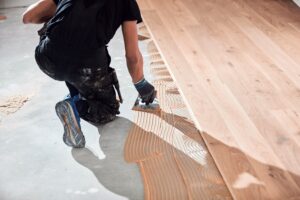
Hiring a professional flooring contractor guarantees a clean finish which is especially important around door jambs and tricky corners. Pros also have the tools and expertise to handle unexpected subfloor issues quickly. For large areas or expensive materials, flooring installation by a professional is usually worth the investment to ensure the product performs as advertised.
Practical Tips for Reducing Project Costs
You can reduce the cost of your project without sacrificing quality by planning ahead.
- Do the Demolition Yourself: Labor is a huge part of your quote. You can save money by ripping up old carpet and removing baseboards yourself before the installers arrive.
- Stick to Standard Specs: While commercial-grade flooring is durable, a 20-mil wear layer is plenty for even the busiest homes. You do not typically need to pay for commercial-grade 30-mil or 40-mil products for residential use.
- Shop Seasonally: Look for sales around major holidays or ask your supplier about end-of-stock discounts. You can often find high-quality rigid core planks for the price of entry-level materials if you are flexible on the color.
FAQs
Is LVP Cheaper Than Tile?
Yes, LVP is generally cheaper than ceramic or porcelain tile. While material costs can be similar, the labor to install tile is much more expensive and time-consuming than the labor to install LVP.
Does LVP Increase Home Value?
LVP is a desirable feature for homebuyers. While it may not add as much value as solid hardwood, it is viewed as a high-quality and low-maintenance upgrade compared to laminate or carpet.
Can I install LVP over my existing floor?
In many cases, yes. As long as the existing floor is hard, flat, and adhered well to the subfloor, you can install floating LVP right over it. This saves you money on removal and disposal fees.
Conclusion
Luxury vinyl plank flooring offers an incredible balance of style and durability for modern homes. With total project costs usually falling between $4 and $16 per square foot, it is an accessible upgrade that can transform the look of your space without breaking the bank.
By understanding the key price factors like wear layers and subfloor prep, you can build a budget that works for your wallet. However, labor rates can vary widely, so we strongly recommend getting quotes from at least three different contractors before starting your project. This ensures you find a fair price and the right team for the job. Whether you choose to tackle the installation yourself or hire a pro for a flawless finish, investing in LVP is a smart move that adds lasting value and comfort to your home.

Anna has over six years of experience in the home services and journalism industries and serves as the Content Manager at MyHomePros.com, specializing in making complex home improvement topics like HVAC, roofing, and plumbing accessible to all. With a bachelor’s degree in journalism from Auburn University, she excels in crafting localized, comprehensive guides that cater to homeowners’ unique needs. Living on both coasts of the United States has equipped her with a distinctive perspective, fueling her passion for turning any house into a cherished home through informed, personalized decision-making.
Connect with top-rated local contractors who can help you with siding, roofing, HVAC, windows, and more. Get free quotes from verified professionals in your area today.