
Your home’s foundation is its literal and figurative bedrock. When it begins to crack, settle, or shift, everything above it is at risk. Left unchecked, foundation issues can lead to warped floors, stuck doors, water intrusion, and even structural collapse. Acting early is critical—not only to protect your home but also to avoid costlier repairs down the road.
Most foundation repairs cost between $2,000 and $7,500, but severe problems requiring extensive solutions can exceed $30,000. Early intervention typically keeps you on the lower end of that spectrum.
Table of Contents
- How to Spot Foundation Trouble Before It's Too Late
- Before You Repair: Identify the Root Cause
- 1. Crack Injection (Epoxy or Polyurethane)
- 2. Slab Jacking (Mudjacking or Foam Injection)
- 3. Piering (Steel or Helical Piers)
- 4. Underpinning
- 5. Wall Anchors and Bracing
- 6. Carbon Fiber Reinforcement
- 7. Waterproofing and Drainage Solutions
- 8. Foundation Replacement
- 9. Soil Stabilization
- 10. Preventative Maintenance
- How to Choose the Right Foundation Repair Method
- Additional Home Improvement Resources
How to Spot Foundation Trouble Before It’s Too Late
Foundation problems often start subtly but become increasingly obvious over time. Being vigilant about these warning signs can save you significant headaches:
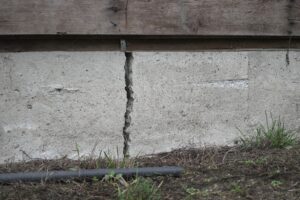
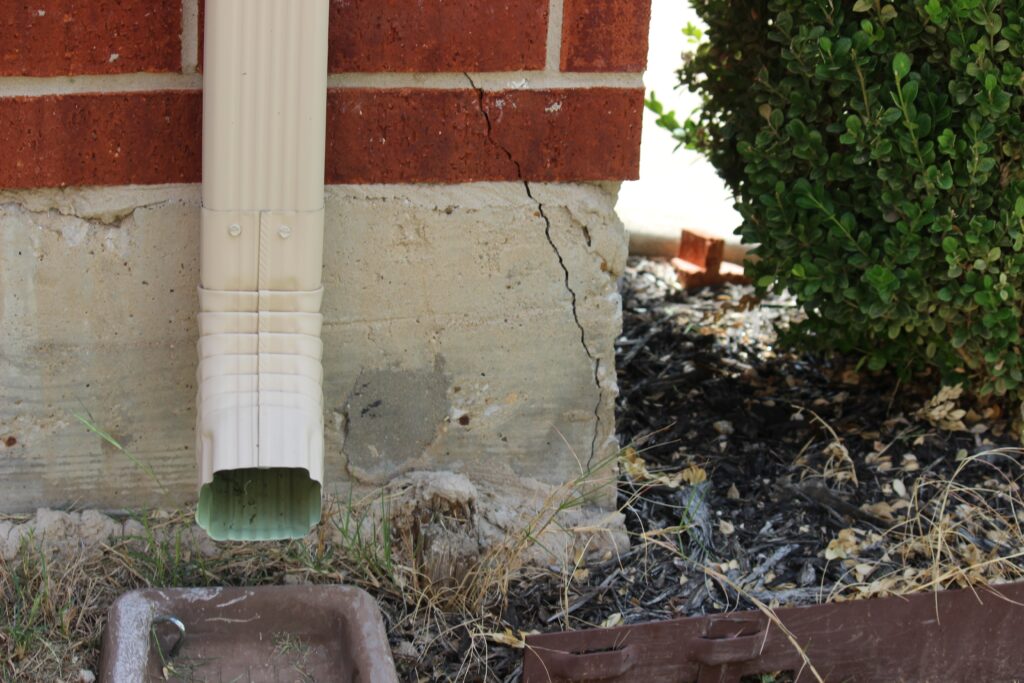
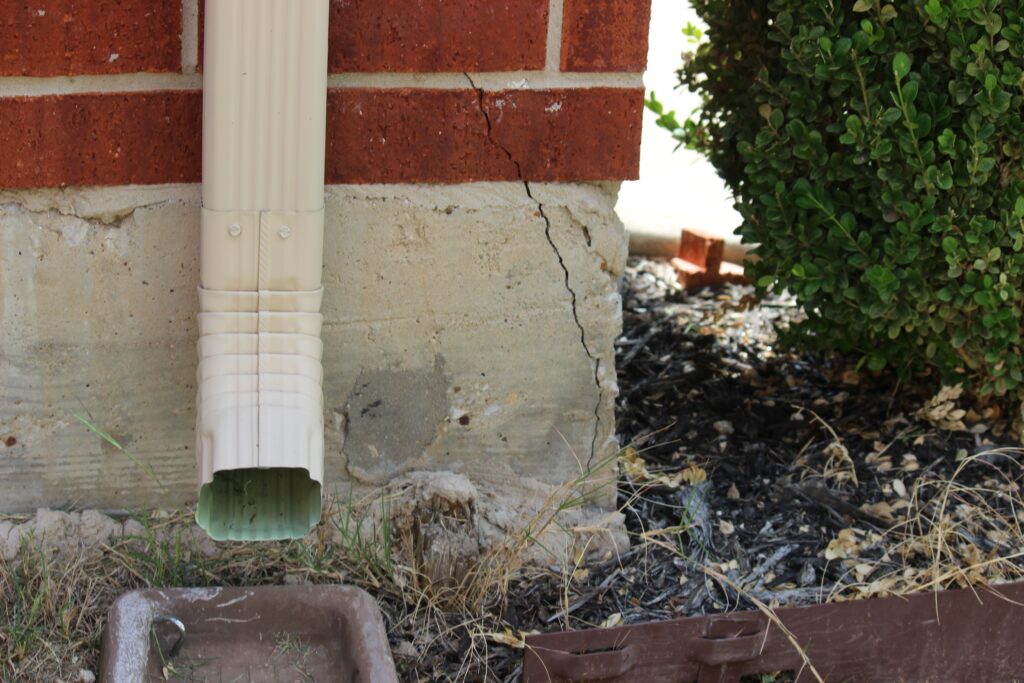
- Visible cracks in walls, floors, or the foundation itself (especially those wider than 1/8 inch)
- Uneven or sloping floors that feel off when walking across them
- Doors and windows that stick, jam, or won’t close properly
- Gaps appearing around window frames, ceiling joints, or where cabinets meet walls
- Moisture problems in basements or crawl spaces
- Leaning or cracked chimneys
- Warped siding or visibly bowing walls
The earlier you spot these signs, the better your chances of choosing a less invasive (and less expensive) repair method.
Before You Repair: Identify the Root Cause
Before choosing a solution, it’s essential to understand what’s actually happening to your foundation. Foundation damage typically stems from one of these underlying issues:
- Settling or sinking due to poor soil compaction
- Cracks from seasonal temperature fluctuations or soil pressure
- Bowing or bulging walls caused by lateral force from saturated soil
- Moisture intrusion due to poor drainage or plumbing leaks
A foundation inspection by a licensed professional is the best way to determine what’s causing the problem and how serious it is. Correct diagnosis ensures the right repair method is chosen from the start.
1. Crack Injection (Epoxy or Polyurethane)
Best for: Hairline to medium-sized cracks in poured concrete foundations
Crack injection is a go-to method for repairing small cracks in poured concrete foundations. It’s often used when cracks allow water to seep through but haven’t compromised structural integrity.
How It Works
The repair technician will:
- Clean the crack thoroughly
- Install injection ports along the length of the crack
- Inject either epoxy or polyurethane material into the crack
- Allow the material to cure and seal the opening
Epoxy injections provide a rigid, structural bond that actually strengthens the concrete.
Polyurethane injections remain slightly flexible after curing, making them better suited for cracks that may continue to experience minor movement.
Pros and Cons
Pros:
- Quick and affordable (typically $300-$800)
- Minimally invasive with little disruption to your home
- Can be completed in a single day in most cases
Cons:
- Not suitable for structural shifting or bowing walls
- Won’t address underlying soil or drainage issues
- Some cracks may reappear if the foundation continues to move
2. Slab Jacking (Mudjacking or Foam Injection)
Best for: Sunken concrete slabs like driveways, patios, or garage floors
When concrete slabs begin to sink, slab jacking offers a less expensive alternative to replacement. This technique lifts the existing concrete back to its original position.
How It Works
Technicians will:
- Drill small holes (about the size of a quarter) into the sunken slab
- Pump material beneath the slab to create pressure and lift it
- Fill and patch the holes once the slab is level
There are two main approaches:
- Traditional mudjacking uses a cement-based slurry
- Polyurethane foam jacking (also called polyjacking) uses expanding foam
Pros and Cons
Pros:
- Much less expensive than slab replacement ($800-$2,500 on average)
- Minimal disruption to landscaping
- Quick process (usually completed in hours)
- Can be used almost immediately after repairs
Cons:
- Not a solution for structural foundation issues
- Traditional mudjacking is heavier and may contribute to soil problems
- May need to be repeated if soil issues persist
DIY or Pro? While DIY polyurethane foam kits exist for small projects, professional equipment achieves more precise leveling. Most homeowners should hire professionals for anything beyond small sidewalk sections.
3. Piering (Steel or Helical Piers)
Best for: Homes with significant settlement or unstable soil conditions
Piering is one of the most reliable ways to stabilize a sinking or settling foundation. It works by transferring the weight of the home onto steel supports installed deep in the ground.
Types of Piers
Steel Push Piers:
- Driven straight down until they reach bedrock or stable soil
- Can support very heavy loads
- Ideal when stable soil is deep underground
Helical Piers:
- Screw-shaped rods twisted into the ground
- Work well where access is limited
- Better in areas with high water tables
The Installation Process
- Excavation around the foundation where piers will be placed
- Brackets attached to the foundation
- Piers driven or screwed into the ground
- Hydraulic lifting of the home to desired position
- Securing the home to the now-stable piers
Pros and Cons
Pros:
- Provides a permanent solution to settlement issues
- Can actually lift a home back to its original position
- Works regardless of soil type once reaching stable layers
- Often comes with transferable warranties
Cons:
- Significant investment ($1,000-$3,000 per pier, with most homes needing multiple piers)
- Requires excavation around your home
- More disruptive than other repair methods
4. Underpinning
Best for: Homes with inadequate existing foundations or those needing additional support
Underpinning strengthens existing foundations by extending them to a more stable layer of soil or adding supportive elements beneath.
Common Methods
Mass Concrete Underpinning:
- Enlarging foundation footings with added concrete
- Done in sections to maintain structural integrity
Beam and Base Underpinning:
- Adding horizontal beams to redistribute weight
- Creates a more stable foundation footprint
Mini-Piled Underpinning:
- Drilling deeper supports in difficult or deep-soil conditions
- Often used in urban areas or challenging soil environments
Pros and Cons
Pros:
- Creates a stronger, more resilient foundation
- Can correct original construction deficiencies
- Often increases property value by resolving fundamental issues
Cons:
- Labor-intensive and time-consuming
- Usually requires moving out during repairs
- Significant cost ($30,000+ for whole-house underpinning)
5. Wall Anchors and Bracing
Best for: Bowing or leaning foundation walls
When foundation walls begin to bow inward, it usually means outside soil pressure is too high. Wall anchor systems help straighten and stabilize these walls.
How Wall Anchors Work
- Small holes are drilled through the foundation wall
- Steel rods are inserted through the wall
- Exterior excavation allows placement of earth anchors
- Wall plates distribute pressure along the interior wall
- The system is tightened gradually over time to straighten the wall
Alternative Bracing Methods
Steel I-Beam Bracing:
- Vertical steel beams installed against the interior wall
- Secured to floor and ceiling joists
- Prevents further movement but doesn’t correct existing bowing
Carbon Fiber Straps:
- Applied directly to walls showing early signs of bowing
- Less invasive option for walls with minimal movement
Pros and Cons
Pros:
- Can repair walls without full replacement
- Often less expensive than wall rebuilding ($3,000-$8,000)
- Many systems can gradually restore walls to original position
Cons:
- Requires yard access for exterior anchoring
- May interfere with future landscaping or additions
- Not suitable for severely damaged walls
6. Carbon Fiber Reinforcement
Best for: Early-stage wall cracks or minor bowing (less than 2 inches)
Carbon fiber straps are a newer, less invasive solution for foundation walls showing early signs of problems.
Installation Process
- Wall surface is prepared and cleaned
- Epoxy resin is applied to the wall
- Carbon fiber straps or mesh is pressed into the epoxy
- Additional epoxy is applied to saturate the carbon fiber
- Once cured, the system can be painted to match the wall
Pros and Cons
Pros:
- Minimally invasive with no exterior excavation
- Virtually invisible once painted
- Quick installation (usually completed in a day)
- Requires minimal space (only about 1/4 inch thick)
- More affordable than many alternatives ($400-$800 per strap)
Cons:
- Not suitable for walls already significantly bowed
- Cannot correct existing movement, only prevents further damage
- Not effective for settlement issues
7. Waterproofing and Drainage Solutions
Best for: Preventing future foundation problems and addressing water-related causes
Water is one of the biggest threats to foundation health. Over time, poor drainage leads to hydrostatic pressure and soil expansion, which damages foundation walls.
Exterior Solutions
- Foundation waterproofing membranes applied during excavation
- French drains to redirect water away from the foundation
- Surface grading improvements to slope water away from the house
- Extended downspouts and improved gutter systems
Interior Solutions
- Interior drain tile systems that collect water before it reaches living spaces
- Sump pump installation to remove collected water
- Vapor barriers to prevent moisture migration
- Dehumidification systems for crawl spaces and basements
Many foundation problems can be prevented with proper drainage. For about $500-$1,500, extending downspouts and improving grading can prevent thousands in foundation repairs.
Pros and Cons
Pros:
- Addresses the root cause of many foundation issues
- Often less expensive than structural repairs
- Improves indoor air quality and reduces mold risk
- Can be implemented as preventative measures
Cons:
- Won’t fix existing structural damage
- Some systems require regular maintenance
- May need combining with structural repairs for complete solution
8. Foundation Replacement
Best for: Severely damaged foundations beyond repair
In the most extreme cases, a foundation may be beyond repair. Replacement involves fully supporting the home, removing the damaged foundation, and constructing a new one.
The Process
- Temporary support systems hold the house in place
- The existing foundation is demolished and removed
- New footings are poured
- A new foundation wall system is constructed
- The house is lowered onto the new foundation
- Waterproofing and drainage systems are installed
Pros and Cons
Pros:
- Provides a completely new, properly engineered foundation
- Opportunity to correct design flaws in the original foundation
- Resolves all existing foundation issues at once
- Often increases home value significantly
Cons:
- Most expensive option ($20,000-$100,000 depending on home size)
- Requires temporarily moving out during construction
- Major disruption to landscaping and surroundings
- Typically takes weeks or months to complete
9. Soil Stabilization
Best for: Homes on expansive clay soils or with recurring foundation movement
Some foundation problems stem from constantly changing soil conditions. Soil stabilization techniques can create a more stable base for your foundation.
Methods Used
Soil Injection:
- Special grouts or expanding polyurethane foams injected into the soil
- Fills voids and stabilizes loose soil
- Can be done with minimal disruption
Chemical Treatments:
- Lime or other materials mixed with expansive soils
- Reduces the soil’s tendency to expand and contract
- Often used before new construction but can help existing homes
Moisture Control Systems:
- Barriers or membranes that maintain consistent soil moisture
- Often used in conjunction with drainage improvements
- Helps prevent seasonal foundation movement
Pros and Cons
Pros:
- Addresses the root cause rather than just symptoms
- Can prevent recurring foundation problems
- Often less expensive than major structural repairs
Cons:
- Results may take time to fully develop
- May need combination with other repair methods
- Not effective for all types of foundation problems
10. Preventative Maintenance
Best for: All homes, regardless of current foundation condition
The best foundation repair is the one you never need. Preventative maintenance can save thousands in future repairs.
Essential Maintenance Tasks
Regular Inspections:
- Check for new cracks or expansion of existing ones
- Monitor doors and windows for proper operation
- Look for water pooling near the foundation after rain
Moisture Management:
- Maintain gutters and downspouts
- Ensure proper grading around the foundation
- Install or maintain french drains as needed
Vegetation Control:
- Keep trees at a safe distance from the foundation (at least as far as their mature height)
- Avoid planting water-intensive plants near the foundation
- Consider root barriers for existing large trees
Seasonal Adjustments:
- Provide consistent moisture around the foundation during droughts
- Ensure proper drainage during rainy seasons
The 1% Rule: Spending around 1% of your home’s value annually on preventative maintenance can save you from 10-30% repairs later.
How to Choose the Right Foundation Repair Method
Selecting the right foundation repair approach involves balancing several critical factors. Making an informed decision requires understanding the unique aspects of your situation.
Severity of the Damage
The extent of foundation problems dictates which solutions are appropriate and necessary:
- Minor issues (hairline cracks, slight sticking): May only need crack injections or waterproofing ($500-$3,000)
- Moderate problems (wider cracks, noticeable sloping): Often require wall anchors or reinforcement ($3,000-$10,000)
- Severe damage (major settling, structural shifting): Need comprehensive solutions like piering or replacement ($10,000+)
A structural engineer’s assessment will help determine where your home falls on this spectrum.
Soil Conditions
The ground beneath your home significantly influences which repair methods will be most effective:
- Clay soils expand and contract, often needing moisture management solutions
- Sandy soils may require deeper support systems like piers
- Problem soils might need stabilization before structural repairs
Local foundation specialists will understand the typical soil challenges in your area and can recommend appropriate solutions.
Your Long-Term Plans
Your future intentions for the property should guide your repair approach:
- Selling soon? Focus on transferable warranties and cost-effective solutions
- Staying put? Invest in comprehensive, long-lasting repairs
- Planning renovations? Choose repairs that will support additional structural loads
Match your repair strategy to your timeline and goals for the property to maximize value.
Budget Considerations
The budget you can comfortably allocate also plays an important role in determining your foundation repair options:
- Get multiple estimates (at least 3) to understand the range of options
- Ask about financing – many foundation companies offer payment plans
- Consider if a phased approach makes sense for your situation
- Delaying necessary repairs often leads to more expensive fixes later
The right solution balances addressing the problem effectively while working within your practical constraints.
Conclusion
Foundation problems aren’t just cosmetic—they can compromise your home’s safety, livability, and resale value. The longer they’re ignored, the more expensive and complex repairs become.
From simple crack sealing to advanced piering systems and full foundation replacements, there is a solution for every situation. The key is to act quickly and work with qualified professionals who understand the specific needs of your home.
If you’ve noticed cracks, moisture, or shifting floors, now is the time to schedule a foundation inspection and explore your repair options. The investment you make today will protect your home—and your peace of mind—for years to come.
Additional Home Improvement Resources
- Composite Deck vs Wood Deck: Which Is Best?
- Guide to Water Damage Restoration
- Gutter Maintenance by Climate

Anna has over six years of experience in the home services and journalism industries and serves as the Content Manager at MyHomePros.com, specializing in making complex home improvement topics like HVAC, roofing, and plumbing accessible to all. With a bachelor’s degree in journalism from Auburn University, she excels in crafting localized, comprehensive guides that cater to homeowners’ unique needs. Living on both coasts of the United States has equipped her with a distinctive perspective, fueling her passion for turning any house into a cherished home through informed, personalized decision-making.
Connect with top-rated local contractors who can help you with siding, roofing, HVAC, windows, and more. Get free quotes from verified professionals in your area today.