
If you’re thinking about remodeling your kitchen, you’ve probably come across the debate: open vs. closed kitchen layouts.
It’s one of the biggest design decisions you can make, and it affects more than just how your home looks. Your kitchen layout impacts how you cook, entertain, and spend time with family every day.
So which one is better? The truth is, there’s no one-size-fits-all answer. The right choice depends on your lifestyle, your home’s layout, and what you value most.
Let’s break it all down so you can decide what works best for your space.
What Is an Open Kitchen Plan?
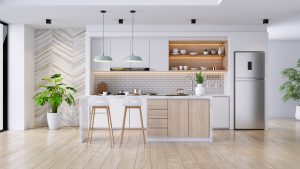
An open kitchen plan removes walls and barriers, connecting your kitchen to adjacent living or dining areas. Instead of separate rooms, everything flows together into one shared space.
You’ll often see features like large kitchen islands, bar seating, and clear sightlines into the living room. This layout has become incredibly popular in newer homes and renovations because it creates a more social, connected environment.
What Is a Closed Kitchen Plan?
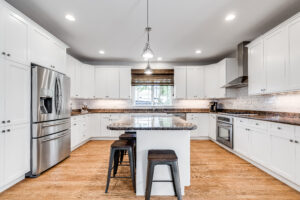
A closed kitchen is the more traditional setup, where the kitchen is separated from the rest of the home by walls, doors, or partitions.
This design creates a dedicated cooking space that’s tucked away from the main living areas. While it may feel less modern to some, it offers a level of function and privacy that many homeowners still prefer, especially those who cook frequently.
Pros of Open Kitchen Layouts
One of the biggest reasons homeowners love open kitchens is how they bring people together. If you enjoy entertaining, hosting holidays, or just being part of the conversation while cooking, an open layout makes that easy.
Open kitchens also tend to make a home feel larger and brighter. Without walls blocking light, natural sunlight can flow freely through the space, creating an airy, inviting atmosphere.
For families, this layout is especially practical. It allows you to keep an eye on kids while preparing meals and makes everyday life feel more connected.
On top of that, open kitchens are still highly desirable in today’s housing market, which can be a plus if resale value is on your mind.
Cons of Open Kitchen Layouts
As appealing as open kitchens are, they do come with trade-offs.
For one, everything is on display. If dishes are piled in the sink or cooking gets a little messy, it’s visible from the living and dining areas. That can make it harder to keep things looking tidy.
Noise and smells also travel more easily in an open layout. Cooking odors, clanging pots, and appliance sounds don’t stay contained, which can be frustrating, especially in smaller homes.
There’s also less separation between spaces, which can make it harder to find quiet or privacy when you need it.
Pros of Closed Kitchen Layouts
Closed kitchens shine when it comes to functionality and privacy.
Because the space is separate, you can cook, prep, and clean without worrying about how everything looks to guests. It also keeps noise and smells contained, which can make the rest of your home feel more relaxed.
Another advantage is storage. With more wall space available, closed kitchens often allow for additional cabinets, shelving, and pantry storage.
For serious home cooks, this layout can feel more efficient and focused, since it’s designed specifically for cooking rather than multitasking.
Cons of Closed Kitchen Layouts
The biggest downside to a closed kitchen is that it can feel more confined, especially if the space is small or doesn’t get much natural light.
It can also feel isolating. If you’re hosting guests or spending time with family, you may find yourself cut off from the action while you’re cooking.
In some markets, closed kitchens may also feel a bit outdated compared to the open layouts many buyers expect today.
Open vs. Closed Kitchen: Key Differences
At a high level, open kitchens prioritize flow, connection, and visual space, while closed kitchens focus on separation, function, and privacy.
Open layouts are better suited for entertaining and modern living, while closed layouts offer more control over noise, mess, and cooking conditions. Neither is inherently better. It really comes down to how you use your space.
Which Kitchen Layout Is Better for Your Lifestyle?
Your lifestyle plays a huge role in determining which layout makes sense.
If you have a busy household or young kids, an open kitchen can help you stay connected and keep everything within view. It’s also a great fit if you love hosting and want your kitchen to be part of the gathering space.
On the other hand, if you enjoy cooking without distractions or prefer a more organized, contained environment, a closed kitchen may be the better choice. It allows you to focus on cooking without worrying about the rest of the home.
For smaller homes, open layouts can make a big difference by creating the illusion of more space. But in larger homes, a closed kitchen can add a sense of structure and separation.
How Kitchen Layout Impacts Home Value
Kitchen layout can absolutely influence your home’s resale value, but it depends on your local market and the overall style of your home.
Open kitchens are generally more appealing to modern buyers, especially in newer or renovated homes. They create that “open concept” feel that many people are looking for.
That said, closed kitchens still have their place, particularly in older homes or among buyers who value privacy and functionality.
If you’re considering a remodel primarily for resale, it’s worth looking at what’s common in your area before making major changes.
Cost to Convert an Open vs Closed Kitchen
Changing your kitchen layout isn’t always a simple project.
Opening up a closed kitchen often involves removing walls, which can cost anywhere from a few thousand dollars to $10,000 or more, especially if the wall is load-bearing. In those cases, you may need a structural engineer and additional support beams.
Converting an open kitchen into a closed one is typically less expensive, but still requires framing, drywall, and potentially updates to electrical, plumbing, or HVAC systems.
Either way, layout changes can add up quickly, so it’s important to plan carefully.
Hybrid Kitchen Layouts: The Best of Both Worlds
If you’re torn between the two, you’re not alone. Many homeowners are now opting for designs that offer some openness while still providing a bit of separation. Think partial walls, glass partitions, sliding doors, or strategically placed islands.
These layouts give you flexibility, allowing you to enjoy the benefits of both open and closed kitchens without fully committing to one or the other.
Design Tips for Open Kitchens
If you’re leaning toward an open layout, it helps to create visual boundaries within the space. Kitchen islands are great for defining areas while still maintaining flow.
Keeping finishes consistent between the kitchen and living areas can also help the space feel cohesive. Since everything is visible, smart storage solutions are key to minimizing clutter.
And don’t forget about ventilation, good range hoods can make a big difference in controlling cooking odors.
Design Tips for Closed Kitchens
For closed kitchens, lighting is everything. Adding under-cabinet lighting or maximizing natural light can help prevent the space from feeling too dark or enclosed.
Using lighter colors and reflective surfaces can also make the kitchen feel more open. And with all that wall space, you have an opportunity to maximize storage with cabinets, shelving, and pantry solutions.
FAQs
Are open kitchens still popular?
Yes, but many homeowners are now leaning toward hybrid designs that offer a balance of openness and separation.
Do open kitchens increase home value?
In many markets, yes. Especially if buyers are looking for modern, open-concept homes.
Can you convert a closed kitchen to an open one?
Yes, though it may require structural changes depending on your home’s layout.
Are closed kitchens making a comeback?
They are gaining interest among homeowners who prioritize privacy, organization, and functionality.
The Bottom Line
Choosing between an open and closed kitchen isn’t about following trends. It’s about finding what works best for your daily life.
If you value connection, entertaining, and a bright, open feel, an open kitchen may be the perfect fit. If you prefer privacy, organization, and a more focused cooking space, a closed kitchen could be the better choice.
And if you’re somewhere in between, a hybrid layout might give you the best of both worlds.
Before making any major changes, it’s always a good idea to talk with a contractor or designer. A little planning upfront can help you create a kitchen that not only looks great, but truly works for your home.

Anna has over six years of experience in the home services and journalism industries and serves as the Content Manager at MyHomePros.com, specializing in making complex home improvement topics like HVAC, roofing, and plumbing accessible to all. With a bachelor’s degree in journalism from Auburn University, she excels in crafting localized, comprehensive guides that cater to homeowners’ unique needs. Living on both coasts of the United States has equipped her with a distinctive perspective, fueling her passion for turning any house into a cherished home through informed, personalized decision-making.
Connect with top-rated local contractors who can help you with siding, roofing, HVAC, windows, and more. Get free quotes from verified professionals in your area today.