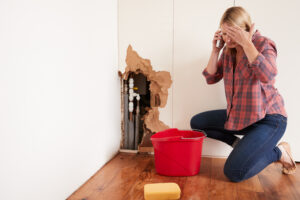


When it comes to homeownership, few things can cause as much panic as a pipe break. One minute your plumbing is working fine, and the next you’re dealing with water gushing across your floors, soaking walls, or dripping from the ceiling. Beyond the immediate mess, a burst pipe can rack up thousands of dollars in water damage repair, force you into unexpected insurance claims, and even lead to long-term problems like mold growth if it isn’t addressed quickly.
The reality is that most homeowners will face some sort of plumbing emergency at least once, and knowing what to do in the moment can make all the difference. Acting fast can save you from costly repairs.
Broken pipe prevention is completely doable with a little planning. From insulating pipes in cold weather to keeping an eye on your home’s water pressure, small steps can help you avoid big problems. And if a pipe does burst, understanding your repair options (and what your insurance might cover) helps you get back to normal faster.
In this guide, we’ll walk through the biggest causes of pipe breaks, how to spot warning signs, the smartest ways to repair damage, and the preventive steps every homeowner should know. Whether you’re dealing with an active plumbing emergency or just want to prepare ahead, this is your one-stop resource for keeping water where it belongs.
Understanding Pipe Breaks
Pipes are the lifelines of your home—quietly carrying water to your faucets, showers, and appliances day in and day out. But when something goes wrong, the results can be messy and expensive.
Understanding the causes of pipe breaks and knowing the signs of a broken pipe can help you catch problems early and avoid a full-blown plumbing disaster.
Common Causes of Pipe Breaks
So, why do pipes burst in the first place? There’s usually more than one factor at play. Here are some of the most common culprits homeowners run into:
- Freezing temperatures and lack of insulation
When the weather drops below freezing, water inside your pipes can turn to ice and expand, putting pressure on the pipe walls until they crack. Pipes in attics, basements, and crawl spaces are especially vulnerable if they aren’t insulated properly. - Corrosion and aging pipes
Over time, pipes wear down. Corrosion weakens the pipe walls, making them more likely to crack or burst under pressure. If your home is decades old and still has its original plumbing, this could be a ticking time bomb. - High water pressure and sudden pressure changes
Water pressure that’s too high isn’t just tough on your faucets, it can stress your pipes until they give out. Sudden spikes, like a water hammer (that banging sound you sometimes hear), can also weaken joints and cause leaks or bursts. - Tree root intrusion
Believe it or not, nature can be one of your biggest plumbing enemies. Tree roots are drawn to the moisture in your pipes, especially sewer lines, and can squeeze or crack pipes as they grow.
Whether it’s freezing weather, corrosion, or pressure problems, knowing the causes of pipe breaks is the first step to preventing them.
Signs You Have a Broken Pipe
Sometimes a pipe break is obvious, you’ll see water spraying everywhere. But other times, the signs are more subtle. Catching these early with water leak detection can save you from a major headache. Here’s what to look out for:
- Sudden drop in water pressure
If your shower turns from a strong spray to a weak trickle overnight, that could mean water is escaping somewhere in the system. - Unexplained water stains or pooling
Dark spots on your ceiling, damp carpet, or puddles in the basement often point to hidden leaks behind the walls or under the floor. - Increased water bills
A spike in your monthly bill without an increase in use is a red flag. Even a small leak wastes gallons of water and adds up fast. - Strange noises (banging, hissing)
Pipes should be pretty quiet. If you hear banging, whistling, or hissing when the water is running—or even when it’s not—you could be dealing with a leak or pressure issue.
If you spot any of these signs of a broken pipe, don’t wait. The longer you ignore it, the more damage water can cause to your home’s structure, walls, and floors.
Immediate Steps to Take When a Pipe Breaks
A pipe bursting in your home can feel like pure chaos—but the faster you act, the less damage you’ll have to deal with. Think of these steps as your emergency checklist.
Shut Off the Water Supply
Your very first move should be cutting off the water at the source. Most homes have a main shutoff valve in the basement, garage, or near the water meter outside. It might look like a round wheel you turn clockwise or a simple lever you push. Shutting off the water stops the flow immediately and keeps the break from flooding your space.
Drain the Remaining Water
Even after the main valve is off, water still lingers in your pipes. The best way to release that pressure is by opening up your faucets and letting everything run until it trickles out. Don’t forget to flush your toilets, too. This step helps minimize additional leaks and takes some stress off the broken section.
Contain the Damage
Once the water’s under control, it’s time to limit the mess. Grab towels, buckets, or even a wet/dry vacuum to soak up standing water. If the break happened near furniture, electronics, or valuables, move them to a dry spot right away. The quicker you act, the better your chances of saving your belongings and avoiding long-term damage like warped wood floors or mold growth.
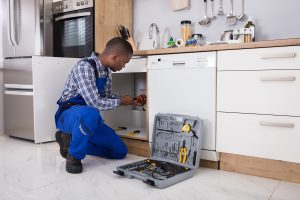
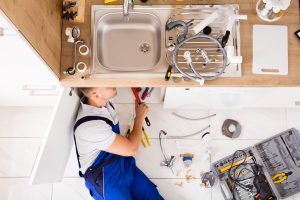
Call a Licensed Plumber
Finally, get a pro on the line. While DIY patches might buy you a little time, they’re not a permanent fix. A licensed plumber for a broken pipe will not only handle the repair correctly but also check your system for any other weak spots. Professional emergency pipe repair ensures the problem won’t come back in a few weeks, and it keeps your insurance company happy since most policies expect professional work for major plumbing issues.
Pipe Break Repair Options
Once the immediate crisis is under control, the next big question is: how do you actually fix the broken pipe?
Depending on the situation, you’ve got a few different pipe repair methods—some you can try yourself in a pinch, and others that require calling in the pros.
Temporary DIY Fixes
If you’re dealing with a leak and can’t get a plumber to your house right away, temporary fixes can buy you some time. Products like pipe clamps, epoxy putty, or rubber patch kits are designed to seal off small cracks or holes just long enough to stop water from gushing everywhere.
Think of these as Band-Aids for your plumbing. They’re great for emergencies or middle-of-the-night mishaps, but they’re not built to last. Over time, water pressure will wear through the patch, and the leak will come back. If the break is large, or if you’re dealing with multiple weak spots, a DIY fix won’t cut it—you’ll need a permanent solution.
Professional Repair Methods
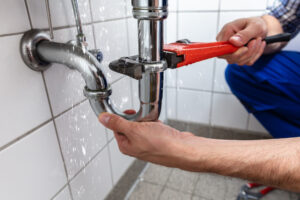
When it comes to long-term solutions, you’ll want a plumber to step in. Here are the most common pipe repair methods they’ll use:
- Pipe replacement – If a section of pipe is too damaged, the plumber will cut it out and install a brand-new piece. This is often the simplest and most cost-effective solution for isolated breaks.
- Re-piping sections of your home – If the plumbing system is older and corroded, a single repair may not be enough. In that case, the plumber might recommend replacing larger sections of pipe to prevent future problems.
- Trenchless pipe repair methods – For underground or hard-to-reach pipes, plumbers sometimes use trenchless techniques. Instead of digging up your yard, they feed new lining through the damaged pipe to reinforce it from the inside.
These professional repairs not only provide peace of mind but also prevent repeat issues down the road. While pipe replacement costs vary depending on location, pipe material, and the extent of the damage, paying for a permanent fix is almost always cheaper than dealing with repeated breaks and water damage.
Insurance and Repair Costs
One of the first questions homeowners ask is: “Will my insurance cover this?” The answer is… it depends. Most homeowners insurance policies will cover broken pipes if the cause was sudden and accidental—like a pipe bursting in freezing weather. However, if the damage came from neglect (say, corroded pipes you never replaced), insurance usually won’t step in.
As for pipe repair costs, they can range widely. A minor repair might cost just a few hundred dollars, while a major re-piping project can climb into the thousands. On average, homeowners spend anywhere from $150 to $2,000 for a typical repair, with larger replacements running much higher. That’s why it pays to both maintain your plumbing and understand your policy ahead of time—so you’re not blindsided when something goes wrong.
Preventing Future Pipe Breaks
Nobody wants to deal with the stress of a burst pipe more than once. Most plumbing disasters are preventable with a little foresight. By taking a few proactive steps, you can prevent frozen pipes, reduce wear and tear, and extend the life of your plumbing system. Here’s how to keep your pipes in good shape year-round.
Insulate Pipes in Cold Weather
One of the biggest culprits behind burst pipes is freezing temperatures. When water freezes, it expands—and that pressure can split your pipes wide open. The best defense is proper insulation.
Focus on the trouble spots: attics, basements, crawl spaces, and garages—anywhere pipes run through unheated areas. Foam pipe sleeves are inexpensive and easy to install, while heat tape or heating cables offer extra protection in extremely cold climates. Don’t forget outdoor faucets and hose bibs; insulating or covering them can save you from a nasty surprise come spring.
A little insulation now goes a long way in avoiding emergency pipe repair later. Check out these simple pipe insulation tips.
Regulate Water Pressure
High water pressure might feel great in the shower, but it’s tough on your plumbing. Over time, that extra force can strain joints and fittings until they finally give way. To protect your system, consider installing a pressure regulator on your main water line.
The sweet spot for most homes is between 40 and 60 PSI (pounds per square inch). Anything consistently higher than that puts your pipes at risk. A plumber can quickly test your pressure and install a regulator if needed, giving your plumbing a much longer life.
Routine Plumbing Inspections
Think of plumbing inspections like a health checkup for your home. Having a licensed plumber give your system a once-over once a year can catch small issues before they become major (and expensive) problems.
During an inspection, plumbers look for early signs of corrosion, leaks, and weak joints. They may also check water heaters, pressure levels, and drainage. Spotting problems early—like a corroded section of pipe—means you can fix it before it bursts and floods your basement.
Regular maintenance isn’t glamorous, but it’s one of the most effective plumbing maintenance tips to protect your home.
Seasonal Maintenance Tips
Pipes don’t just need attention in the dead of winter. A few seasonal habits can make a big difference year-round:
- Drain outdoor hoses and sprinkler systems in the fall to keep water from freezing inside them.
- Shut off outdoor water lines before the first freeze if your home has a dedicated valve.
- Keep your heat on during winter vacations—even a low setting around 55°F helps keep pipes from freezing.
- Run faucets occasionally during extreme cold snaps to keep water moving and reduce freeze risk.
By staying on top of these small seasonal tasks, you’ll dramatically reduce your chances of waking up to a flooded basement or busted kitchen pipe.
Conclusion
At the end of the day, dealing with a pipe break doesn’t have to be a homeowner’s nightmare. Yes, burst pipes can cause serious water damage and lead to expensive repairs—but with quick action and a little regular maintenance, you can stay ahead of most problems.
The key is being prepared: know where your shutoff valve is, keep an eye out for the signs of a broken pipe, and take steps to prevent pipe breaks with good insulation, proper water pressure, and seasonal maintenance. Pair those habits with routine plumbing inspections, and you’ll drastically cut down your risk of waking up to an unwanted indoor pool.
Most emergencies are avoidable, and the peace of mind that comes with being proactive is priceless. Don’t wait until you’re in the middle of a plumbing crisis—schedule a professional plumbing inspection today to protect your home from costly pipe breaks.
FAQs
What should I do first if a pipe bursts in my home?
Shut off the water supply right away to stop the flow, then open your faucets to drain the remaining water. After that, move valuables out of harm’s way and call a licensed plumber for emergency pipe repair.
How much does it cost to repair a broken pipe?
Pipe repair costs vary widely depending on the size of the break and where it’s located. Small repairs may be a couple hundred dollars, while larger jobs—like replacing sections of pipe—can run $1,000 or more. On average, homeowners spend between $150 and $2,000.
Will homeowners insurance cover a broken pipe?
In many cases, yes. Most policies cover broken pipes if the cause was sudden and accidental, like a pipe bursting in freezing weather. But if the damage is due to neglect—say, corroded old pipes you never replaced—insurance usually won’t cover it. Always double-check your policy.
How can I prevent my pipes from freezing and bursting?
The best way to prevent frozen pipes is by insulating them, especially in basements, attics, and crawl spaces. During cold snaps, keep your home heated to at least 55°F, open cabinet doors to let warm air circulate around pipes, and let faucets drip slightly to keep water moving.
What are the signs of a hidden water leak?
Hidden leaks can be tricky, but common red flags include water stains on ceilings or walls, musty odors, mold growth, low water pressure, or unexplained spikes in your water bill. If you notice any of these signs of a broken pipe, it’s smart to call in a plumber for water leak detection.

Anna has over six years of experience in the home services and journalism industries and serves as the Content Manager at MyHomePros.com, specializing in making complex home improvement topics like HVAC, roofing, and plumbing accessible to all. With a bachelor’s degree in journalism from Auburn University, she excels in crafting localized, comprehensive guides that cater to homeowners’ unique needs. Living on both coasts of the United States has equipped her with a distinctive perspective, fueling her passion for turning any house into a cherished home through informed, personalized decision-making.
Connect with top-rated local contractors who can help you with siding, roofing, HVAC, windows, and more. Get free quotes from verified professionals in your area today.