

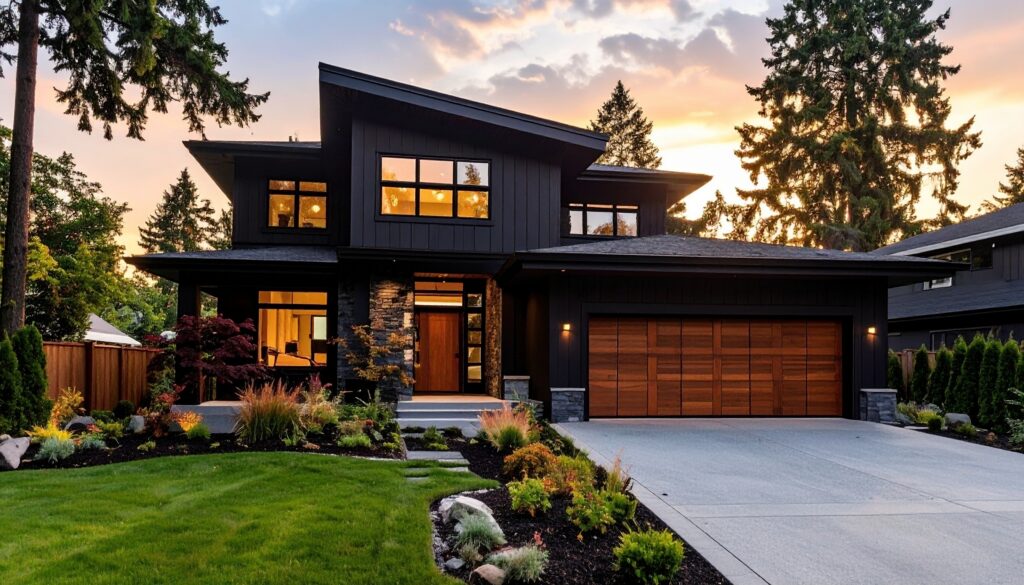
Dark siding has historically been a gamble because darker pigments absorb more UV radiation and infrared heat than lighter ones. A charcoal panel in direct summer sun can run 30 to 40 degrees hotter than a white panel on the same wall, accelerating pigment breakdown. That kind of heat stress can also cause warping, buckling, and other siding damage that goes beyond cosmetic fading.
Material choice and manufacturing technology now matter more than color alone. Premium products use infrared-reflective pigments, multi-layer coatings, and color-through manufacturing that would have been unavailable even 10 years ago. Every siding material has trade-offs beyond color retention, but this article focuses specifically on how each one handles dark pigments.
Dark Colors Ranked by Fade Resistance
The pigment chemistry behind each color family determines its baseline resistance to UV breakdown, regardless of what material it’s applied to.
| Dark Color Family | Primary Pigment Type | Fade Resistance | Notes |
|---|---|---|---|
| Charcoal / Dark Gray | Carbon black + titanium dioxide | Excellent | Most UV-stable dark option across all materials |
| Deep Bronze / Dark Brown | Iron oxide | Excellent | Naturally stable pigment; fading is gradual and even |
| Forest Green | Chromium oxide (inorganic) | Very Good | Inorganic greens outperform organic alternatives significantly |
| Deep Navy / Midnight Blue | Mixed metal oxide or organic blue | Good to Very Good | Performance varies widely by manufacturer formulation |
| Dark Red / Burgundy | Iron oxide (red) or organic red | Good | Iron oxide reds are very stable; organic reds fade faster |
| True Black | Carbon black | Good (pigment) / Variable (heat) | Pigment is stable but extreme heat absorption stresses substrates |
Which Dark Colors Hold Up Best Over 20 Years?
Charcoal gray and deep bronze are the safest bets for long-term color retention. Both rely on inorganic pigments (carbon black and iron oxide) that resist UV breakdown at the molecular level.
These colors also benefit from a practical advantage: because they’re not fully saturated, minor fading is less visually obvious than it would be on a true black or vivid navy surface.
Forest green has become a strong performer as manufacturers have shifted to inorganic chromium oxide pigments. When comparing products, ask whether the green uses inorganic pigments. That single factor can double the color’s effective lifespan on a south-facing wall.
Actual costs depend on your location, project scope, and materials. The best way to know what you'll pay is to get quotes from local contractors.
Get Your Free Estimate →Which Dark Colors Fade Fastest?
True black absorbs the most heat of any color, which creates substrate stress even when the pigment itself is chemically stable. On vinyl, black can cause warping and distortion alongside fading. Many vinyl manufacturers won’t offer true black without specialized heat-reflective technology.
Bright or vivid dark colors that rely on organic pigments also fade earlier. Muted, earthy dark tones forgive subtle shifts better than jewel tones do.
Siding Materials Compared for Dark Color Performance
Your material choice determines how well any dark color holds up. Factory finishes, UV-blocking additives, and substrate stability vary dramatically between siding types.
| Material | Installed Cost (per sq ft) | Dark Color Fade Warranty | Expected Color Lifespan | Key Technology |
|---|---|---|---|---|
| Fiber Cement (factory-finished) | $7 to $18 | 15 years (ColorPlus) | 20 to 30 years | Baked-on multi-coat finish |
| Steel Siding | $8 to $16 | Up to 30 years | 25 to 40+ years | UV-protectant clear coat over powder coat |
| Premium Vinyl (with IR technology) | $5 to $12 | Lifetime (3 Hunter units) | 15 to 25 years | ASA capstock + IR-reflective pigments |
| Standard Vinyl | $4 to $8 | Limited or none for darks | 5 to 15 years | Basic UV inhibitors |
Is Fiber Cement the Best Material for Dark Siding?
Fiber cement with a factory-applied finish is the strongest all-around choice. James Hardie’s ColorPlus Technology applies multiple coats in a climate-controlled factory, with heating and curing steps between each layer. The finish carries a 15-year limited warranty covering paint and labor, on top of a 30-year substrate warranty.
The factory process delivers up to 30% more fade resistance than typical exterior paints. Other fiber cement brands like Allura offer pre-finished dark options too, though warranty terms vary.
"We matched with a great contractor the same day. The whole process was easy and completely free."
Can Vinyl Siding Handle Dark Colors Without Fading?
Premium vinyl handles dark colors much better than it used to, but dark vinyl absorbs so much infrared energy that panels can soften, warp, or distort on hot days, especially on west-facing walls.
That thermal tradeoff is one of the biggest differences between vinyl and fiber cement. Our vinyl vs. fiber cement comparison breaks down how each material handles heat, moisture, and insulation.
ASA capstock adds an acrylic UV shield over the PVC substrate, and infrared-reflective pigments look dark but bounce back infrared heat. Mastic’s SolarDefense Reflective Technology carries a 50-year lifetime warranty with a no-fade, no-distortion promise. CertainTeed’s ColorHold and Norandex’s ColorHold acrylic capping work on similar principles.
Even with these technologies, most manufacturers top out at “dark but not black.” If you want true black, vinyl may not be the right substrate.
How Does Steel Siding Perform in Dark Colors?
Steel is the quiet leader in dark color longevity. A galvanized steel core won’t soften, warp, or distort regardless of surface temperature, removing the thermal constraint that limits vinyl.
If energy efficiency matters as much as color retention, our guide to siding R-values and air sealing explains how insulation layers behind the cladding affect your overall wall performance.
TruLog offers a 30-year paint protection warranty against fading and chalking on dark colors including Dark Charcoal, Musket Brown, and Evergreen. Steel’s cost sits between premium vinyl and fiber cement at roughly $8 to $16 per square foot installed.
Steel siding can hold its color for decades without repainting, while vinyl may start to fade in five to 10 years and wood needs repainting every three to seven. Over a 30-year period, the repainting savings alone can offset steel’s higher upfront cost.
What Drives the Cost of Fade-Resistant Dark Siding
Choosing a dark color doesn’t necessarily cost more than choosing a light one. The premium comes from the material and finish technology, not the color itself.
Why Hire a Licensed Professional
- Licensed & insured — protects you from liability
- Warranty coverage — manufacturers require pro installation
- Code compliance — avoids permit issues
- Faster completion — pros finish in days, not weeks
How Much More Does Fade-Resistant Dark Siding Cost?
Premium vinyl with IR-reflective technology typically costs $1 to $3 more per square foot than standard vinyl. Factory-finished fiber cement runs roughly $1 to $2 more than primed boards, but since you eliminate the initial painting labor ($1.50 to $5.00 per square foot) and all future repainting cycles, it often costs less over the life of the siding. Our exterior house painting cost guide shows what those repainting cycles actually run so you can do the math for your home.
| Upgrade | Added Cost per Sq Ft | Added Cost (2,000 sq ft home) | Payback Period |
|---|---|---|---|
| Standard vinyl to premium vinyl with IR tech | $1 to $3 | $2,000 to $6,000 | First avoided repainting cycle |
| Primed fiber cement to factory-finished (ColorPlus) | $1 to $2 | $2,000 to $4,000 | Immediate (saves initial painting) |
| Vinyl to steel siding | $3 to $8 | $6,000 to $16,000 | 10 to 15 years |
Regional Factors That Affect Fade Risk and Cost
Sun Belt states subject siding to the most intense UV exposure, making premium fade-resistant materials more necessity than luxury. In the Pacific Northwest or northern New England, standard materials hold dark colors significantly longer, though cold-climate homeowners choosing siding for harsh winters face different challenges like freeze-thaw damage that may matter more than fade resistance.
DIY vs. Professional: At a Glance
Choosing the Right Contractor for Dark Siding Installation
Dark siding is less forgiving of installation mistakes than lighter colors. Visible seams and misaligned panels stand out more against a dark background. If you haven’t been through a siding project before, our walkthrough of what to expect during siding installation covers the timeline and process.
Look for contractors with specific experience in the material you’ve chosen, and be aware that some brands (like James Hardie’s Elite Preferred program) require certified installers for full warranty coverage, so choosing the right contractor matters as much as choosing the right siding.
The Bottom Line
Fiber cement with factory-baked finishes, steel with UV-protectant coatings, and premium vinyl with infrared-reflective pigments all deliver deep, rich colors that hold up for 15 to 30+ years. Installed costs range from $5 to $18 per square foot, with the fade-resistant premium adding $1 to $3 per square foot.
Charcoal gray, deep bronze, and forest green offer the best combination of design impact and pigment stability. If your heart is set on true black or very deep navy, prioritize steel or factory-finished fiber cement over vinyl.
Not sure which material or color will perform best with your home’s sun exposure?
The easiest way to narrow it down and get a fair price is to compare quotes from a few experienced siding contractors. Get matched with pre-screened local pros who can recommend the right fade-resistant option for your climate, evaluate your home’s exposure, and provide pricing that fits your budget.
FAQs
Spring and summer are the busiest seasons for home improvement projects — top-rated contractors book up fast. Lock in your estimate now before demand peaks.
Check Availability in Your Area →What Dark Siding Color Resists Fading the Most?
Charcoal gray resists fading the most because its carbon black pigment is one of the most UV-stable compounds used in exterior coatings. Minor color shifts in gray are also less visible than shifts in more saturated colors like navy or deep red.
Does Dark Vinyl Siding Always Fade?
All siding fades to some degree, but premium dark vinyl with IR-reflective pigments and ASA capstock fades far less than standard products. Brands like Mastic (SolarDefense) and CertainTeed (ColorHold) warrant dark colors for the life of the product, typically within 3 to 5 Hunter units.
Ready to Move Forward?
Tell us about your project and get matched with up to 3 pre-screened contractors. Compare quotes, check reviews, and hire with confidence.
Is Fiber Cement or Steel Better for Dark Siding?
Steel edges out fiber cement for pure longevity, with fade warranties up to 30 years compared to 15 for ColorPlus. Fiber cement offers more colors and profiles and looks more like painted wood. Your choice often comes down to aesthetics versus color longevity.
How Much Does Fade-Resistant Dark Siding Cost?
Expect $5 to $18 per square foot installed depending on the material. Premium vinyl with IR technology runs $5 to $12, factory-finished fiber cement costs $7 to $18, and steel falls between $8 and $16. For a 2,000-square-foot home, that’s $10,000 to $36,000 total.
Can You Paint Existing Siding a Dark Color Without It Fading Quickly?
On fiber cement or wood, use a 100% acrylic exterior paint with UV-blocking additives. Expect to repaint every seven to 12 years on fiber cement and every three to seven on wood, where proper maintenance between coats determines whether you get three years or seven out of each application. On vinyl, you generally can’t paint darker than the original factory color without risking heat warping.
Connect with top-rated local contractors who can help you with siding, roofing, HVAC, windows, and more. Get free quotes from verified professionals in your area today.