

Winter doesn’t have to mean downtime, but cold-weather siding installation definitely comes with extra challenges. Between brittle materials, frozen job sites, and tighter daylight windows, contractors have to adjust their approach to keep quality high and callbacks low.
With the right prep and techniques, siding projects can still run smoothly in cold conditions. Here’s how to get it done without sacrificing workmanship.
Can You Install Siding in Cold Weather?
The short answer is yes. However, not all siding products behave the same in winter.
Most manufacturers allow cold-weather installation as long as temperature guidelines are followed. Generally:
- Vinyl siding performs best above 40°F
- Fiber cement can be installed closer to freezing with proper handling
- Engineered wood and composites usually require warmer material storage
- Metal siding handles cold well but still needs moisture management
If temperatures drop too low or weather conditions become unsafe, delaying the job is often cheaper than fixing winter-related damage later.
How Cold Temperatures Affect Siding Materials
Different siding products react differently to cold.
Vinyl Siding in Cold Weather
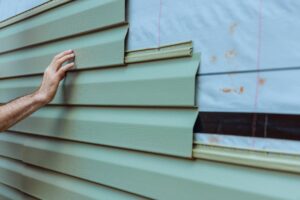
Vinyl becomes brittle when temperatures drop. This increases the risk of cracking during cutting and fastening. Expansion and contraction are also more dramatic in winter, so spacing matters even more.
Fiber Cement Siding in Winter
Fiber cement isn’t as temperature-sensitive, but moisture is the real enemy. Boards can absorb water and freeze, leading to edge damage and poor fastening performance.
Actual costs depend on your location, project scope, and materials. The best way to know what you'll pay is to get quotes from local contractors.
Get Your Free Estimate →Engineered Wood and Composite Siding
These materials are sensitive to both moisture and temperature. Cold storage can cause warping or swelling if they aren’t protected properly.
Metal Siding Performance
Metal handles cold better than most materials, but condensation buildup and thermal movement still need to be managed.
Proper Material Storage and Acclimation in Winter
Cold-weather jobs start long before installation day.
Store siding materials indoors whenever possible. If outdoor storage is unavoidable, keep products elevated off the ground and fully covered.
Let materials acclimate to jobsite temperatures before installation. Even in winter, giving products time to adjust reduces cracking and movement issues.
"We matched with a great contractor the same day. The whole process was easy and completely free."
Preparing the Job Site for Cold-Weather Installation
A clean, dry job site makes winter work safer and more efficient.
- Remove snow and ice from work areas
- Protect exposed sheathing from moisture
- Use temporary barriers to block wind
- Check framing and substrates for frost buildup
Frozen sheathing can cause fasteners to loosen once temperatures rise, so surface conditions and air sealing matter.
Adjusting Installation Techniques for Cold Weather
Cold weather isn’t the time to rush.
Fastening Adjustments
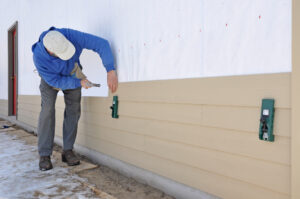
Avoid overdriving nails or screws. Leave proper spacing for expansion and contraction. Tight fastening in winter can lead to buckling once temperatures increase.
Cutting and Handling Best Practices
Use sharp blades and take slower cuts to reduce cracking. Keep materials warm before cutting whenever possible.
Expansion Gap Adjustments
Allow slightly more movement room in colder conditions. Always follow manufacturer spacing recommendations.
Why Hire a Licensed Professional
- Licensed & insured — protects you from liability
- Warranty coverage — manufacturers require pro installation
- Code compliance — avoids permit issues
- Faster completion — pros finish in days, not weeks
Sealants, Adhesives, and Caulking in Low Temperatures
Not all sealants are made for winter use.
Choose cold-rated products designed for low temperatures. Pay attention to application ranges and extended cure times. Keep tubes warm until use to ensure proper flow and adhesion.
Rushing cure times in winter often leads to early failure and water intrusion behind the siding system.
Safety Tips for Cold-Weather Siding Crews
Cold conditions increase jobsite risks.
- Use slip-resistant footwear
- Rotate crews to prevent cold fatigue
- Watch for frostbite symptoms
- Keep tools free of ice buildup
Shorter daylight hours also mean scheduling becomes even more important.
Quality Control Checks for Winter Installs
Cold-weather installs need extra inspection.
Double-check:
- Panel alignment
- Fastener spacing
- Moisture barrier integrity
- Trim and flashing installation
A quick quality walk-through before leaving the site can prevent expensive callbacks.
DIY vs. Professional: At a Glance
Common Cold-Weather Siding Installation Mistakes to Avoid
Some of the most frequent winter mistakes include:
- Installing vinyl when it’s too cold
- Skipping acclimation
- Using standard sealants not rated for low temps
- Ignoring moisture protection
- Over-tightening fasteners
Avoiding these saves time and protects your reputation.
When to Delay a Siding Project Due to Weather
Sometimes the smartest move is waiting.
Consider postponing if:
- Temperatures drop below manufacturer minimums
- High winds create safety hazards
- Snowstorms or freeze-thaw cycles threaten moisture exposure
Clear communication with homeowners about weather delays builds trust and avoids quality issues. It also helps to set realistic expectations about which conditions require professional judgment.
How Winter Installation Impacts Warranties and Building Codes
Many manufacturers require strict installation guidelines, especially for temperature conditions.
Document ambient temperatures, product storage methods, and installation procedures. This protects warranty coverage and helps meet local building code requirements for exterior work.
Spring and summer are the busiest seasons for home improvement projects — top-rated contractors book up fast. Lock in your estimate now before demand peaks.
Check Availability in Your Area →Cost Considerations for Cold-Weather Siding Jobs
Winter installs often cost more due to:
- Slower labor productivity
- Heating equipment rental
- Material handling challenges
- Increased waste risk
Pricing jobs correctly during cold months helps protect profit margins while maintaining quality. Homeowners researching what re-siding a house typically costs should factor in seasonal labor differences when budgeting.
Frequently Asked Questions
What temperature is too cold to install vinyl siding?
Most manufacturers recommend avoiding installation below 40°F unless special precautions are taken.
Ready to Move Forward?
Tell us about your project and get matched with up to 3 pre-screened contractors. Compare quotes, check reviews, and hire with confidence.
Can fiber cement siding be installed in winter?
Yes, but moisture protection and proper handling are critical.
Do siding manufacturers allow cold-weather installation?
Many do, as long as specific temperature and storage guidelines are followed.
How do contractors prevent cracking during winter installs?
By storing materials indoors, using proper spacing, warming materials before cutting, and adjusting installation techniques.
Final Thoughts
Cold-weather siding installation doesn’t have to be a nightmare. With the right prep, material handling, and on-site adjustments, contractors can deliver high-quality results even in winter conditions.
The key is respecting temperature limits, protecting materials, and never rushing the process. When done right, winter projects can stay profitable, efficient, and built to last.
Connect with top-rated local contractors who can help you with siding, roofing, HVAC, windows, and more. Get free quotes from verified professionals in your area today.