

Your bathtub surround does more than protect walls from water damage. It sets the visual tone for your entire bathroom and significantly affects your daily cleaning routine. The right choice balances your budget, design preferences, maintenance tolerance, and how long you plan to stay in your home.
This guide covers 10 bathtub surround options ranging from quick budget updates to high-end custom installations. Each option includes realistic costs, honest pros and cons, and practical guidance on whether it’s a DIY project or requires professional installation.
Understanding Bathtub Surrounds
A bathtub surround is the waterproof wall covering that protects the three walls surrounding your tub from water damage. It typically extends from the top of the tub to at least 6 inches above the showerhead (usually 72 inches from the tub floor) for tub/shower combinations, or to wainscot height (32–48 inches) for soaking tubs without showers.
Bathtub surrounds fall into two main categories:
- Prefabricated panels: Factory-made units (typically three pieces: two side panels and one back panel) that install quickly over existing walls using adhesive. Materials include fiberglass, acrylic, and solid surface composites.
- Custom tile or stone: Individual tiles or slabs installed piece by piece over waterproofed cement board. Offers unlimited design options but requires more time, skill, and maintenance.
Bathtub Surround Material Comparison
| Material | Cost (Materials) | Installation | Maintenance | Lifespan |
|---|---|---|---|---|
| Fiberglass | $200–$400 | DIY-friendly | Low | 10–15 years |
| Acrylic | $400–$1,200 | DIY-friendly | Low | 15–20 years |
| Solid Surface | $800–$2,500 | Professional | Low | 20–30 years |
| Cultured Marble | $600–$1,800 | Professional | Low–Medium | 20+ years |
| Ceramic Tile | $500–$1,500 | Intermediate DIY | Medium | 25+ years |
| Porcelain Tile | $700–$2,500 | Intermediate DIY | Medium | 25+ years |
| Glass Tile | $1,000–$3,500 | Professional | Medium | 25+ years |
| Natural Stone | $2,000–$10,000+ | Professional | High | 30+ years |
| Large-Format Porcelain Slabs | $1,500–$4,000 | Professional | Low | 25+ years |
| PVC/Vinyl Panels | $150–$350 | DIY-friendly | Low | 8–12 years |
Costs shown are for materials only on a standard 60-inch alcove tub surround (approximately 90–100 square feet of wall coverage). Professional installation adds $800–$3,000 depending on material and complexity.
10 Bathtub Surround Ideas
1. Classic White Subway Tile
The 3×6-inch white subway tile remains one of the most popular bathtub surround choices for good reason: it’s timeless, affordable, and works with virtually any bathroom style from traditional to modern farmhouse to contemporary.
Cost: $500–$1,200 for materials; $1,500–$3,000 installed
Design Ideas: Vertical stacking creates the illusion of higher ceilings in small bathrooms. Herringbone patterns add visual interest without overwhelming the space. Consider colored grout (charcoal, navy, or even terracotta) to make standard white tile feel fresh and intentional.
Pros:
- Timeless aesthetic that won’t date quickly
- Affordable tile cost ($3–$8 per square foot)
- Easy to find at any home improvement store
- Simple to repair individual damaged tiles
Cons:
- Grout requires regular cleaning and periodic sealing
- Many grout lines mean more maintenance surface area
- Standard look may feel generic without pattern variation
Actual costs depend on your location, project scope, and materials. The best way to know what you'll pay is to get quotes from local contractors.
Get Your Free Estimate →2. Acrylic Panel Surround
Acrylic surrounds have evolved significantly from the basic white panels of decades past. Modern options include convincing tile-look patterns, marble veining, and textured surfaces that replicate the appearance of natural materials without the maintenance burden.
Cost: $400–$1,200 for materials; $1,200–$2,500 installed
Best for: Busy households, rental properties, guest bathrooms, and anyone who prioritizes low maintenance over custom aesthetics. Also ideal for covering damaged tile without demolition since panels can install directly over existing surfaces.
Pros:
- No grout lines to clean or seal
- Naturally resistant to mold and mildew
- Quick installation (often same-day)
- Can install over existing tile or drywall
- Warm to the touch compared to tile
Cons:
- Visible seams between panels
- Can scratch (though scratches can often be buffed out)
- Limited design options compared to tile
- May look less authentic than real tile or stone
3. Large-Format Porcelain Slabs
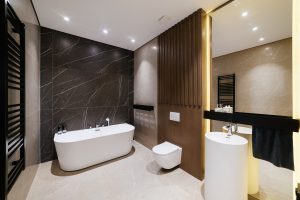
One of the strongest trends in 2026 bathroom design is the shift toward large-format porcelain slabs (typically 48×96 inches or larger) that dramatically reduce grout lines and create a sleek, seamless appearance. These slabs can convincingly replicate marble, concrete, or other natural materials.
Cost: $1,500–$4,000 for materials; $3,500–$7,000 installed
Best for: Modern and minimalist bathrooms, homeowners who want the marble look without marble maintenance, and those willing to invest more upfront for reduced long-term cleaning.
Pros:
- Minimal grout lines (often just 2–4 joints total)
- Creates dramatic, high-end visual impact
- More durable than natural stone
- No sealing required
- Realistic stone and marble looks
Cons:
- Requires professional installation (heavy, fragile during handling)
- Higher material cost than standard tile
- Damaged sections require full slab replacement
- Limited local availability in some areas
4. Marble-Look Porcelain Tile
Porcelain tiles that replicate Carrara, Calacatta, and other classic marbles deliver luxury aesthetics at a fraction of natural stone cost and maintenance. Modern digital printing technology creates remarkably realistic veining patterns.
Cost: $700–$2,000 for materials; $2,000–$4,500 installed
Design Ideas: Pair large-format marble-look tile (12×24 inches or larger) with a contrasting accent strip or niche in a complementary mosaic. The combination adds visual interest while the larger tiles reduce grout lines on the main wall surfaces.
Pros:
- Achieves marble aesthetic without marble price
- No sealing required (unlike real marble)
- More stain-resistant than natural stone
- Wide variety of vein patterns and colors
Cons:
- Pattern repetition visible on large installations
- Still requires grout maintenance
- Lacks the depth and uniqueness of real marble
"We matched with a great contractor the same day. The whole process was easy and completely free."
5. Solid Surface Panels
Solid surface materials (brands like Corian, Swanstone, and similar composites) offer a premium middle ground between basic acrylic and natural stone. These engineered materials feature consistent color throughout their thickness, allowing minor scratches and damage to be sanded out.
Cost: $800–$2,500 for materials; $2,500–$5,000 installed
Best for: Homeowners seeking a custom look with minimal maintenance, especially those who want seamless corners and integrated shelving or soap dishes.
Pros:
- Seamless appearance with inconspicuous joints
- Scratches can be sanded and buffed out
- Non-porous surface resists mold and staining
- Available in many colors and stone-look patterns
- Can integrate shelves and accessories seamlessly
Cons:
- Higher cost than acrylic or fiberglass
- Professional installation required
- Can be damaged by excessive heat
- Limited to manufacturer color options
6. Handmade-Look Zellige or Glazed Ceramic
Handcrafted tiles with intentional variation in color, texture, and surface finish have become a defining trend in 2025–2026 bathroom design. Moroccan zellige, glazed ceramic with deliberate imperfections, and artisan-style tiles add warmth and character that mass-produced tiles cannot replicate.
Cost: $1,200–$3,500 for materials; $3,000–$6,500 installed
Design Ideas: Deep jewel tones (emerald, sapphire, burgundy) and earthy terracottas are replacing the cool grays that dominated the past decade. These rich colors create spa-like atmospheres and add personality to otherwise neutral bathrooms.
Pros:
- Unique, artisanal character—no two tiles alike
- Creates visual warmth and depth
- Works with multiple design styles
- Light reflection varies, creating a dynamic surface
Cons:
- Higher cost per square foot than standard tile
- Variation may not appeal to those preferring uniformity
- Uneven surfaces can be harder to clean
- May require more careful installation
7. 3D Textured or Sculptural Tile
Three-dimensional tiles with raised patterns, wave motifs, or geometric relief add architectural interest and tactile appeal. These sculptural surfaces catch light differently throughout the day, creating dynamic visual effects on otherwise static walls.
Cost: $1,000–$4,000 for materials; $3,000–$7,000 installed
Best for: Statement bathrooms, accent walls within a larger surround, or spa-inspired spaces where texture enhances the sensory experience.
Pros:
- Creates striking visual focal point
- Adds depth and architectural interest
- Light play creates changing appearance
- Can elevate a simple color palette
Cons:
- More difficult to clean than flat surfaces
- Water can pool in recessed areas
- Higher material and installation costs
- May overwhelm small spaces
8. Natural Stone (Marble, Granite, or Slate)
For those who want authentic luxury, nothing replicates the depth, variation, and prestige of real stone. Each slab is unique, with natural veining and coloration that develops character over time.
Cost: $2,000–$10,000+ for materials; $5,000–$15,000+ installed
Important consideration: Natural stone requires regular sealing (typically annually in wet environments) to prevent staining and water absorption. Marble in particular is susceptible to etching from acidic products like many shampoos and body washes. Discuss maintenance requirements honestly before committing to natural stone in a high-use shower.
Pros:
- Unmatched natural beauty and uniqueness
- Adds significant home value
- Develops patina and character with age
- Extremely durable when properly maintained
Cons:
- Highest cost option
- Requires regular sealing and careful maintenance
- Can stain or etch from common bath products
- Heavy material requires structural consideration
- Professional installation essential
9. Glass Tile or Mosaic Accents
Glass tiles reflect light beautifully, adding sparkle and luminosity to bathroom spaces. While a full glass tile surround is costly, using glass as an accent strip, niche lining, or feature band within a less expensive tile field achieves visual impact at a manageable price point.
Cost: $1,000–$3,500 for materials (full surround); $200–$600 for accent applications. Installation adds 50–100% to material cost.
Design Ideas: Line recessed shower niches with glass mosaic tile to create a jewelry-box effect. The contrast between standard field tile and luminous glass accents draws the eye and adds perceived luxury without the expense of covering entire walls.
Pros:
- Reflects light beautifully, brightens space
- Non-porous surface resists mold
- Wide range of colors and finishes
- Creates dramatic accent features
Cons:
- Higher cost than ceramic or porcelain
- Shows water spots and soap residue readily
- Requires white thinset (gray shows through)
- Professional installation recommended
10. Budget-Friendly Fiberglass or PVC Panels
When budget is the primary concern or the project is for a rental property, starter home, or seldom-used guest bath, fiberglass and PVC panels deliver functional water protection at the lowest cost. Modern options include tile-look textures and multiple color choices beyond basic white.
Cost: $150–$400 for materials; $800–$1,500 installed
Best for: Rental properties, basement bathrooms, vacation homes, or anyone prioritizing budget over aesthetics. Also suitable as a temporary solution while saving for a future renovation.
Pros:
- Lowest cost option available
- Very easy DIY installation
- Lightweight and simple to handle
- No grout to maintain
- Widely available at home centers
Cons:
- Can look and feel cheap
- Prone to scratching, yellowing, and fading
- Shorter lifespan than other materials
- May flex or feel flimsy compared to solid materials
- Limited design options
Installation Considerations
Why Hire a Licensed Professional
- Licensed & insured — protects you from liability
- Warranty coverage — manufacturers require pro installation
- Code compliance — avoids permit issues
- Faster completion — pros finish in days, not weeks
DIY vs. Professional Installation
Your choice of material largely determines whether professional installation is necessary:
| Material | DIY Feasibility | Key Considerations |
|---|---|---|
| Fiberglass/PVC Panels | Highly DIY-friendly | Lightweight, glue-on installation, basic tools required |
| Acrylic Panels | DIY-friendly | Adhesive installation, may need help handling larger panels |
| Ceramic/Porcelain Tile | Intermediate DIY | Requires waterproofing, thinset, grouting skills |
| Solid Surface | Professional recommended | Heavy panels, precise fitting, specialized adhesives |
| Large-Format Slabs | Professional required | Extremely heavy, fragile during handling, precision critical |
| Natural Stone | Professional required | Heavy, requires sealing, structural assessment may be needed |
| Glass Tile | Professional recommended | Fragile, requires white thinset, shows imperfections |
Waterproofing Requirements
Regardless of material choice, proper waterproofing behind the surround is essential. Panel surrounds (acrylic, fiberglass, solid surface) are themselves waterproof, but the wall substrate still needs protection at seams and transitions.
For tile installations, a waterproofing membrane (liquid-applied like RedGard or sheet membrane like Schluter Kerdi) must be applied over cement board before any tile is set. The waterproofing membrane, not the tile and grout, is what actually protects your wall framing from moisture damage. See our complete tile installation guide for detailed waterproofing instructions.
Existing Surface Considerations
Panel surrounds (acrylic, fiberglass) can often be installed directly over existing tile if the tile is:
- Firmly attached with no loose or hollow tiles
- Clean and free of soap scum, mold, or mildew
- Free of significant grout damage or missing grout
- Level enough for panels to sit flat
If existing tile is damaged, has mold growth behind it, or is poorly adhered, removal and wall repair are necessary before installing a new surround.
Mold Warning: If you smell musty odors, see dark staining around grout lines, or notice soft spots in the wall, suspect mold growth behind the existing surround. Covering over mold with a new surround does not solve the problem and can make it worse. Address mold remediation before any new installation.
DIY vs. Professional: At a Glance
Maintenance Comparison
| Material | Daily Cleaning | Periodic Maintenance | Long-Term Care |
|---|---|---|---|
| Acrylic/Fiberglass | Wipe with non-abrasive cleaner | None required | Buff out scratches as needed |
| Solid Surface | Wipe with mild soap | None required | Sand and buff scratches; avoid high heat |
| Ceramic/Porcelain Tile | General bathroom cleaner | Seal grout every 1–2 years | Regrout when needed; replace damaged tiles |
| Glass Tile | Squeegee after use recommended | Seal grout every 1–2 years | Professional cleaning for water spot removal |
| Natural Stone | pH-neutral stone cleaner only | Seal annually in wet areas | Professional honing/polishing for scratches |
Design Trends for 2026
Current bathroom design trends favor these bathtub surround approaches:
- Color drenching: Extending the same tile from tub surround onto adjacent walls and even ceiling creates immersive, spa-like environments. Deep greens, warm terracottas, and moody blues are particularly popular.
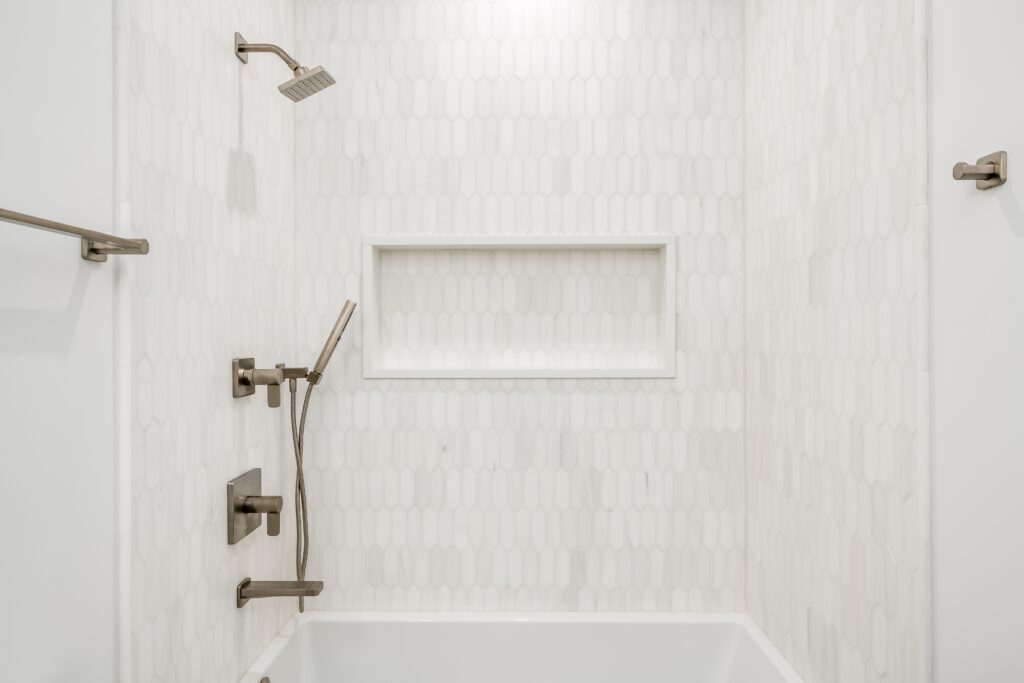
- Mixing tile sizes and shapes: Combining large-format field tile with mosaic accents, or pairing subway tile with hexagonal niches, adds visual interest without overwhelming small spaces.
- Vertical orientation: Installing rectangular tiles vertically rather than horizontally creates the illusion of taller walls and more spacious bathrooms.
- Matte finishes: Matte and satin tile finishes are overtaking high-gloss options, offering a more sophisticated look that also hides water spots and fingerprints.
- Sustainable materials: Tiles made from recycled content, low-emission glazes, and ethically sourced materials align with growing environmental consciousness.
- Warm neutrals: Cool grays are giving way to warmer tones: creamy whites, soft beiges, and warm greiges that create more inviting bathroom environments.
FAQs
Spring and summer are the busiest seasons for home improvement projects — top-rated contractors book up fast. Lock in your estimate now before demand peaks.
Check Availability in Your Area →What Is the Best Material for a Bathtub Surround?
Acrylic is the best material for most homeowners because it combines durability, easy maintenance, and affordable pricing. It resists mold, mildew, and stains without requiring sealing or grout maintenance. For a more luxurious look, solid surface materials offer seamless aesthetics with similar low maintenance. Tile remains the best choice for design flexibility and customization, though it requires more upkeep.
How Much Does a Bathtub Surround Cost?
Bathtub surround costs range from $350 to $5,000 or more for materials, depending on the type. Fiberglass panels cost $200–$400, acrylic runs $400–$1,200, solid surface materials range from $800–$2,500, ceramic or porcelain tile costs $500–$2,500, and natural stone can exceed $3,000–$10,000. Professional installation adds $800–$3,000 depending on material complexity.
Can You Install a Bathtub Surround Over Existing Tile?
Yes, acrylic and fiberglass panel surrounds can be installed over existing tile using construction adhesive, provided the tile is firmly attached, clean, and free of loose grout. This approach saves the time and expense of tile removal. However, if existing tile is damaged, has mold behind it, or is poorly adhered, removal is recommended before installing a new surround.
Ready to Move Forward?
Tell us about your project and get matched with up to 3 pre-screened contractors. Compare quotes, check reviews, and hire with confidence.
How Long Do Bathtub Surrounds Last?
Lifespan varies by material. Fiberglass surrounds last 10–15 years, acrylic lasts 15–20 years, solid surface materials last 20–30 years, and properly maintained tile can last 25 years or longer. Natural stone surrounds can last decades with proper sealing and care. Maintenance quality significantly affects longevity for all materials.
Is a Bathtub Surround Better Than Tile?
Prefabricated surrounds (acrylic, fiberglass, solid surface) are better for low maintenance, faster installation, and budget-conscious projects. Tile is better for design customization, high-end aesthetics, and long-term durability. Tile requires more maintenance due to grout lines, while panel surrounds offer seamless, grout-free surfaces that resist mold and are easier to clean.
Can I Install a Bathtub Surround Myself?
Prefabricated acrylic and fiberglass panel surrounds are DIY-friendly for homeowners with basic skills. These panels attach with adhesive and require minimal tools. Tile surrounds require more expertise due to waterproofing, mortar application, and grouting. Solid surface and stone installations typically require professional installation due to material weight and precise fitting requirements.
Making Your Decision
Choose your bathtub surround based on these priorities:
- If budget is your priority: Fiberglass or PVC panels offer functional water protection at minimal cost. Acrylic provides a step up in durability and appearance without a dramatic price increase.
- If low maintenance matters most: Acrylic or solid surface panels eliminate grout cleaning entirely. Large-format porcelain slabs minimize grout while offering a high-end look.
- If design flexibility is essential: Tile (ceramic, porcelain, or glass) offers unlimited color, pattern, and layout options. Mix tile types for custom accent features.
- If you want a luxury statement: Natural stone or large-format marble-look porcelain slabs create dramatic, high-end bathrooms. Expect higher costs and maintenance requirements for natural stone.
- If you’re selling soon: Clean, neutral tile or quality acrylic surrounds appeal to most buyers. Avoid overly trendy choices that may date quickly.
Planning Tip: Before finalizing your choice, order samples of your top 2–3 materials and view them in your actual bathroom at different times of day. Lighting dramatically affects how materials look, and samples help you visualize the finished result better than showroom displays.
Connect with top-rated local contractors who can help you with siding, roofing, HVAC, windows, and more. Get free quotes from verified professionals in your area today.