

Thinking about upgrading your windows but don’t want to deal with a full remodel? Pop-in windows might be the perfect solution! They’re popular for their quick and easy installation, making them a budget-friendly option for homeowners who want a fresh look without the hassle of major construction.
But with energy costs on the rise, more homeowners are prioritizing energy efficiency when making upgrades. The big question is: Do pop-in windows actually help reduce energy bills, or are they just a cosmetic fix?
Let’s break down how pop-in windows compare to full replacements, what makes a window energy efficient, and whether these easy-install options can help you save money in the long run.
Table of Contents
- What Are Pop-In Windows?
- How Energy Efficiency Is Measured in Windows
- Why Does This All Matter?
- Are Pop-In Windows Energy Efficient?
- How Newer Pop-In Windows Improve Efficiency
- Are Pop-In Windows a Good Energy-Efficient Choice?
- Factors That Affect the Energy Efficiency of Pop-In Windows
- Pros and Cons of Pop-In Windows for Energy Efficiency
- Additional Window Resources
What Are Pop-In Windows?
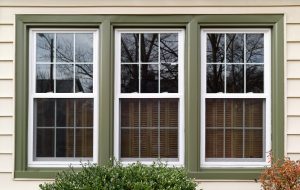
Pop-in windows are a convenient and cost-effective way to upgrade your home’s windows without the hassle of a full-frame replacement. Unlike traditional window replacements, which require removing the entire window frame, pop-in windows (also known as insert windows or pocket windows) fit directly into your existing window opening. This makes them a popular choice for homeowners who want to improve their home’s look and efficiency without major construction.
How Are Pop-In Windows Different from Full-Frame Replacements?
The biggest difference between pop-in windows and full-frame replacements is what gets replaced. With a full-frame replacement, everything goes—the frame, the sash, and even the trim around the window. This is great if your existing frames are damaged, but it also means more labor, higher costs, and a longer installation process.
Pop-in windows, on the other hand, keep the original window frame intact. The new window unit is designed to fit snugly inside, making installation quicker and less invasive. Because they work with your existing frame, they’re best suited for homes where the window frames are still in good shape but the glass, sashes, or seals need an upgrade.
Design and Materials
Pop-in windows come in a variety of materials and styles, allowing homeowners to find options that suit their home’s aesthetic while boosting efficiency. Some of the most common materials include:
- Vinyl: Affordable, low-maintenance, and energy-efficient.
- Fiberglass: Strong, durable, and resistant to temperature changes.
- Wood: Classic and stylish, but requires more upkeep.
- Aluminum: Sleek and modern, though not as insulating as other options.
These windows also come in various styles, including double-hung, casement, sliding, and picture windows, making it easy to match them to your home’s existing design.
Actual costs depend on your location, project scope, and materials. The best way to know what you'll pay is to get quotes from local contractors.
Get Your Free Estimate →Why Homeowners Choose Pop-In Windows
There are a few key reasons why homeowners opt for pop-in windows over full-frame replacements:
- Cost-Effective: Since pop-in windows don’t require removing the entire frame, they’re generally cheaper than full replacements.
- Quick & Easy Installation: A professional can install pop-in windows in just a few hours, minimizing disruption to your home.
- Aesthetic Upgrade: If your window frames are still in good condition but the glass or sashes look outdated, pop-in windows refresh the look without a full remodel.
- Less Mess & Construction: Because they use the existing frame, there’s no need to tear out siding or trim, which means less dust, debris, and hassle.
How Energy Efficiency Is Measured in Windows
When it comes to windows, not all are created equal—especially in terms of energy efficiency. If you’re looking to reduce heating and cooling costs, it’s important to understand how windows are rated for performance.
Here are the key factors that determine how well a window keeps your home comfortable while cutting down on energy waste.
1. U-Factor: How Well Does the Window Keep Heat Inside?
The U-Factor measures how much heat escapes through a window. The lower the number, the better the insulation. Think of it like a winter coat—a window with a low U-Factor traps heat inside, keeping your home warmer in the winter.
- Low U-Factor (0.20 – 0.30) → Great for cold climates where heat retention is important.
- High U-Factor (0.40 and above) → Less insulation, which could lead to heat loss and higher energy bills.
If you live in a colder region, choosing windows with a low U-Factor can make a noticeable difference in keeping your home cozy and reducing heating costs.
"We matched with a great contractor the same day. The whole process was easy and completely free."
2. Solar Heat Gain Coefficient (SHGC): Does the Window Let in Too Much Sun?
The SHGC measures how much heat from the sun enters your home. This rating is crucial in warmer climates where too much sunlight can turn your home into a sauna.
- Low SHGC (0.25 or lower) → Blocks more solar heat, keeping your home cooler in the summer.
- High SHGC (0.40 or higher) → Allows more heat in, which might be helpful in cold climates but can lead to higher cooling costs in the summer.
If you live in a hot or sunny climate, choosing a low SHGC window can reduce the need for air conditioning, saving you money on energy bills.
3. Low-E Glass Coatings: A Game-Changer for Efficiency
Low-emissivity (Low-E) coatings are a thin, invisible layer of metallic particles added to glass to reflect heat and UV rays. This means:
In winter: It reflects indoor heat back inside, keeping your home warm.
In summer: It blocks excessive solar heat, helping to keep your home cooler.
Year-round: It reduces harmful UV rays that can fade furniture, flooring, and curtains.
Windows with Low-E coatings are one of the easiest ways to boost energy efficiency without sacrificing natural light.
4. Insulated Frames: Material Matters
The frame material around the glass plays a big role in how energy-efficient a window is. Some materials provide better insulation than others:
- Vinyl: Affordable and excellent at insulating, helping to prevent heat loss.
- Fiberglass: Extremely durable and energy-efficient, resistant to temperature changes.
- Wood: Natural insulator but requires more upkeep to prevent warping or rotting.
- Aluminum: Strong and sleek but conducts heat, making it less efficient in extreme climates.
Choosing well-insulated frames prevents drafts and improves overall window performance, keeping your home at a stable temperature year-round.
5. Multiple Panes & Gas Fills: The More, The Better!
Single-pane windows? A thing of the past if you care about energy efficiency. Most modern windows use double or even triple glazing with gas fills to improve insulation.
- Double-pane windows: Two glass layers with a gap in between, which slows heat transfer.
- Triple-pane windows: Even better insulation, ideal for extreme climates.
- Argon or Krypton Gas Fills: These odorless, non-toxic gases are placed between panes to reduce heat transfer and improve efficiency.
If you want a window that helps lower your energy bills, double or triple-pane glass with gas fills is the way to go.
Why Does This All Matter?
Understanding these energy efficiency factors helps you choose windows that keep your home comfortable, lower your utility bills, and reduce energy waste. If you’re considering pop-in windows, these ratings will help determine whether they provide the insulation and performance you need.
Are Pop-In Windows Energy Efficient?
If you’re considering pop-in windows, you’re probably wondering—will they actually help lower my energy bills? The answer depends on a few factors, including how well they fit, the condition of your existing window frames, and the efficiency features of the window itself.
How Do Pop-In Windows Compare to Full-Frame Replacements?
When it comes to energy efficiency, pop-in windows can provide better insulation than old, drafty windows, but they might not be as airtight as a full-frame replacement. That’s because pop-in windows fit into your existing window frame, while full-frame replacements completely remove the old frame and install a brand-new one.
- Full-Frame Replacements: Best option if your existing frames are damaged, warped, or not sealing properly. They provide a fresh, airtight fit but are more expensive and require more installation time.
- Pop-In Windows: A great option if your window frames are in good shape and you want a quicker, more affordable way to upgrade to energy-efficient glass.
If your frames are old, cracked, or have gaps, a full replacement may be the better choice for maximum insulation and efficiency. However, if your frames are still solid, pop-in windows can still be a great energy-saving upgrade—especially with the right features.
Why Hire a Licensed Professional
- Licensed & insured — protects you from liability
- Warranty coverage — manufacturers require pro installation
- Code compliance — avoids permit issues
- Faster completion — pros finish in days, not weeks
Potential Air Leakage: The Biggest Concern
One of the biggest drawbacks of pop-in windows is the potential for air leaks. Because they’re retrofitted into an existing frame, there’s a chance that small gaps could remain, allowing air to sneak in and out. This could lead to:
- Higher heating and cooling costs as your HVAC system works harder to maintain the temperature.
- Drafts in the winter and hot spots in the summer, making your home less comfortable.
- Increased condensation on the glass, which can lead to mold or moisture damage over time.
To prevent these issues, proper installation is key. A poorly fitted pop-in window can actually reduce energy efficiency instead of improving it. Professional installation and high-quality weatherstripping can help seal gaps and minimize air leaks.
How Newer Pop-In Windows Improve Efficiency
Not all pop-in windows are created equal! Modern models come with several energy-efficient features that can help improve insulation and lower energy costs.
- Low-E Glass Coatings – These coatings reflect heat in the summer and retain warmth in the winter, keeping your home comfortable while reducing strain on your HVAC system.
- Multi-Pane Glass with Gas Fills – Double or triple-pane glass filled with argon or krypton gas provides much better insulation than single-pane windows. This helps block heat transfer and improves overall energy efficiency.
- High-Quality Weatherstripping – Well-sealed weatherstripping around the window prevents drafts and air leaks, making a pop-in window perform closer to a full-frame replacement.
- Insulated Window Frames – Choosing vinyl or fiberglass frames instead of aluminum can reduce heat transfer, keeping your indoor temperature more stable.
Are Pop-In Windows a Good Energy-Efficient Choice?
It depends on your home’s needs! If your existing window frames are in good condition, pop-in windows with energy-efficient glass and proper sealing can still be a budget-friendly way to reduce energy loss. However, if your frames are old, damaged, or poorly insulated, a full-frame replacement may be the smarter investment for long-term energy savings.
If energy efficiency is your top priority, make sure to choose pop-in windows with Low-E coatings, multiple panes, and quality weatherstripping—and always have them professionally installed to minimize air leaks!
DIY vs. Professional: At a Glance
Factors That Affect the Energy Efficiency of Pop-In Windows
While pop-in windows can improve your home’s energy efficiency, not all installations are equal. Several factors influence how well they perform, from the condition of your existing window frames to the type of material you choose.
Here’s what you need to keep in mind before making the switch.
1. Quality of the Existing Frame: A Solid Foundation Matters
One of the biggest factors affecting energy efficiency is the condition of your current window frame. Since pop-in windows are installed within the existing frame, they rely on it to create a tight seal.
- If your frame is old, warped, or damaged, you may still experience drafts, heat loss, or moisture leaks—even with brand-new pop-in windows.
- If your frame is in good shape, pop-in windows can enhance insulation and help lower your energy bills.
Before installing pop-in windows, check for cracks, gaps, or signs of rotting. If your frame has major issues, a full-frame replacement might be a better long-term investment.
2. Installation Quality: A Proper Fit is Key
Even the best energy-efficient window won’t perform well if it’s not installed correctly. Poor installation can lead to air leaks, condensation buildup, and reduced insulation, all of which increase your energy costs.
A high-quality installation includes:
- Precise measurements to ensure the window fits snugly in the existing frame.
- Proper sealing with weatherstripping or caulk to prevent air leaks.
- Professional installation—DIY might seem like a money-saver, but a small mistake can cost you more in energy bills down the line.
If your pop-in windows are installed with gaps or improper sealing, your HVAC system will have to work harder to maintain a comfortable temperature, which defeats the purpose of energy-efficient windows!
Spring and summer are the busiest seasons for home improvement projects — top-rated contractors book up fast. Lock in your estimate now before demand peaks.
Check Availability in Your Area →3. Window Material: Not All Frames Are Created Equal
The material of your window frame plays a big role in insulation and overall energy efficiency. Different materials conduct heat differently, which can impact how well your windows keep warm air in during the winter and out during the summer.
Here’s how the most common window materials compare:
- Vinyl – One of the most energy-efficient and budget-friendly materials. Vinyl frames provide great insulation and require minimal maintenance.
- Fiberglass – Strong, durable, and even better at insulating than vinyl. Fiberglass windows are also resistant to temperature changes and won’t warp.
- Wood – A classic, natural insulator that can be very energy-efficient. However, wood requires more upkeep and can be prone to rotting or warping over time.
- Aluminum – Sleek and modern, but not the best for energy efficiency. Aluminum conducts heat, which means it can make your home warmer in the summer and colder in the winter unless it has thermal breaks built in.
If energy efficiency is your top priority, vinyl or fiberglass frames are your best bet, as they provide better insulation than aluminum and require less maintenance than wood.
4. Climate Considerations: How Your Location Impacts Performance
Your home’s location plays a big role in how well pop-in windows help regulate indoor temperatures. Different climates require different types of energy-efficient features to get the best performance.
Hot & Sunny Climates (e.g., Southern U.S.)
- Choose Low-E glass to block out excess heat and UV rays.
- Opt for windows with a lower Solar Heat Gain Coefficient (SHGC) to reduce heat absorption.
- Avoid aluminum frames unless they have thermal breaks to prevent heat transfer.
Cold & Snowy Climates (e.g., Northern U.S.)
- Pick windows with a low U-Factor to retain indoor heat and improve insulation.
- Double or triple-pane windows with gas fills (argon or krypton) provide better thermal resistance.
- Make sure window seals are tight to prevent cold drafts.
Mild & Mixed Climates (e.g., Midwest, Pacific Northwest)
- Look for windows with a balance of low U-Factor and SHGC to handle fluctuating temperatures.
- Consider fiberglass or vinyl frames that can expand and contract with seasonal changes.
The efficiency of pop-in windows depends on the condition of your existing frames, the quality of installation, the material you choose, and your local climate. If installed properly and paired with high-quality insulation features like Low-E glass and multiple panes, pop-in windows can be an energy-efficient upgrade. However, if your frames are old or damaged, a full replacement might be a better long-term investment.
Before making a decision, evaluate your current windows, research materials, and consult a professional installer to ensure you’re getting the best efficiency for your home!
Pros and Cons of Pop-In Windows for Energy Efficiency
Like any home upgrade, pop-in windows have their advantages and drawbacks, especially when it comes to energy efficiency. If you’re considering them, here’s what you need to know.
Ready to Move Forward?
Tell us about your project and get matched with up to 3 pre-screened contractors. Compare quotes, check reviews, and hire with confidence.
Pros: Why Pop-In Windows Can Be a Smart Choice
- More Affordable Than Full Replacements – Since pop-in windows fit into your existing frames, you save on labor and material costs, making them a budget-friendly alternative to full-frame replacements.
- Quick Installation with Minimal Disruption – Unlike a full replacement that requires tearing out the old frame, pop-in windows can be installed in just a few hours, meaning less mess and less downtime.
- Can Improve Insulation with the Right Materials – When combined with Low-E glass, multiple panes, and quality weatherstripping, pop-in windows can enhance energy efficiency and help keep your home comfortable.
Cons: The Potential Drawbacks to Consider
- May Not Seal as Tightly as Full-Frame Windows – Since pop-in windows fit inside the old frame, they might not create as airtight of a seal as full replacements, leading to minor energy loss over time.
- Efficiency Depends on the Condition of the Existing Frame – If your current frames are warped, cracked, or not well-insulated, the energy efficiency benefits of pop-in windows won’t be as strong.
- Potential for Air Leakage if Not Installed Correctly – Proper sealing and weatherstripping are crucial. If installed incorrectly, pop-in windows can allow drafts, reducing their overall efficiency.
Pop-in windows can be an energy-efficient upgrade, but their performance depends on the quality of installation and the condition of your existing frames. If your frames are in good shape, they offer a cost-effective, quick solution.
However, if your frames have significant wear and tear, a full-frame replacement might be a better long-term investment for maximum efficiency.
Final Thoughts: Are Pop-In Windows the Right Energy-Efficient Choice?
So, are pop-in windows energy efficient? They can be—but it depends on a few key factors. While they offer a quick and cost-effective way to upgrade your windows, their efficiency largely comes down to the condition of your existing frames, the quality of installation, and the materials you choose.
If your frames are in good shape and you opt for Low-E glass, multi-pane designs, and proper weatherstripping, pop-in windows can help reduce energy loss and improve insulation. But if your current frames are damaged or drafty, a full-frame replacement might be the better investment for long-term energy savings.
Before making a decision, take a close look at your home’s needs and consult a window expert to determine the best solution. With the right choice, you can enhance your home’s comfort, lower your energy bills, and make a smart, energy-efficient upgrade!
Additional Window Resources
Connect with top-rated local contractors who can help you with siding, roofing, HVAC, windows, and more. Get free quotes from verified professionals in your area today.