
Window sash replacement costs between $150 and $350 per window for basic repairs, while full sash replacement typically ranges from $250 to $1,000 per window depending on the window type, material, and installation complexity. If you’re dealing with drafty, stuck, or deteriorating windows, understanding when to replace the sash versus the entire window can save you thousands of dollars while restoring your home’s energy efficiency and curb appeal.
This guide breaks down everything you need to know about window sash replacement, from identifying when you need it to understanding the costs and deciding between DIY and professional installation. You’ll learn how to evaluate your options, what factors affect pricing, and how to choose the right approach for your specific situation.
What Is Window Sash Replacement?
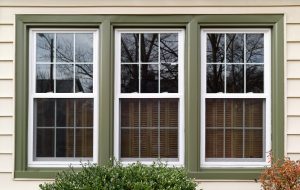
The window sash is the movable portion of your window that holds the glass in place. In double-hung windows (the most common type in American homes), you have two sashes: an upper sash and a lower sash. In single-hung windows, only the bottom sash moves. The sash fits within the window frame and includes the glass, glazing, and the surrounding structure that allows the window to open and close.
Window sash replacement involves removing the old sash components and installing new ones while keeping the existing window frame intact. This differs from full window replacement, where you remove both the sash and the frame, and window frame replacement, which typically means installing an entirely new window unit.
The key advantage of sash-only replacement is cost savings. You’re preserving the structural frame (which is often still in good condition) and only replacing the parts that have deteriorated or failed. This approach works particularly well in homes with original wood frames that remain structurally sound but have damaged or inefficient sashes.
Window Sash Replacement Cost Breakdown
Understanding the cost components helps you budget accurately and identify where you might save money without compromising quality.
Material Costs by Window Type
| Material | Cost Per Window | Maintenance Level | Typical Lifespan |
|---|---|---|---|
| Vinyl | $75 – $250 | Low | 15-20 years |
| Wood | $100 – $400 | High | 20-30 years |
| Aluminum | $150 – $300 | Low | 20-25 years |
| Fiberglass | $200 – $500 | Very Low | 30-50 years |
Labor and Installation Costs
Professional installation adds $100 to $300 per window in most markets. Labor costs vary significantly based on your location, the accessibility of your windows, and whether any frame repairs are needed.
Key factors affecting labor costs include:
- Second-story windows: Typically cost 20% to 30% more due to additional equipment and safety precautions
- Frame rot repairs: Add $200 to $600 per window if discovered during installation
- Historic homes: May require specialized expertise, adding $100 to $200 per window
- Volume discounts: Most contractors offer 10% to 20% off when replacing six or more windows
Additional Cost Factors
Window size plays a significant role in pricing. Standard double-hung windows (24 inches by 36 inches to 32 inches by 54 inches) fall within the typical price ranges, but oversized or custom windows can cost 50% to 100% more. Historical homes with non-standard window sizes or special architectural features often require custom sashes, which can push costs to $800 to $1,500 per window.
Energy-efficient upgrades like low-E glass or argon gas fills add $50 to $150 per window but can reduce heating and cooling costs by 10% to 25% annually according to the U.S. Department of Energy.
Cost-Saving Tip: The number of windows you’re replacing affects your per-window cost. A six-window project might total $2,400 to $6,000, while a single window replacement pays full premium pricing without volume discounts.
When to Replace Window Sashes vs. Full Window Replacement
Deciding between sash replacement and full window replacement depends on the condition of your window frame and your long-term goals for your home.
When Sash Replacement Makes Sense
Your window frame is structurally sound with no rot, significant decay, or structural damage. Check the frame thoroughly by pressing on the wood with a screwdriver. If it pushes in easily or shows soft spots, you have rot that needs addressing.
Sash replacement works best when:
- The frame is solid but sashes are difficult to operate
- Broken seals are causing fogging between glass panes
- Visible deterioration like cracked glazing or warped wood affects only the sash
- You’re preserving a historic home’s original architectural character
- Cost savings matter (sash replacement costs 40% to 60% less than full window replacement)
When Full Window Replacement Is Better
The frame shows rot, decay, or structural damage that compromises the window’s integrity. Water damage around the frame, visible gaps between the frame and the wall, or a frame that’s no longer square indicates you need full replacement.
You should opt for complete replacement when:
- Making a significant energy efficiency upgrade with modern insulated frames
- Planning major renovations or siding replacement
- Windows are significantly undersized or oversized for the rough opening
- The existing frame has sustained water damage or structural settling
- You want to resize the opening to accommodate modern, standard-size windows
Important: According to the National Association of Home Builders, windows installed according to manufacturer instructions and applicable building codes form the baseline for acceptable performance. If your existing frames don’t meet these standards, full replacement is typically warranted.
Types of Window Sash Replacement Options
You have several approaches to sash replacement, each with different cost implications and performance characteristics.
Sash Kit Replacement
Pre-made sash kits are the most common replacement option. These include new sashes, balance systems (the mechanism that holds the window open), and installation hardware. Kits are manufactured to fit standard window sizes, making them the most affordable option at $150 to $400 per window installed.
Quality tiers for sash kits:
- Budget kits ($150 to $200): Thinner vinyl, basic balance systems, 5 to 10 year lifespan
- Mid-range kits ($250 to $350): Better materials, reliable balance systems, improved weatherstripping
- Premium kits ($400 to $600): Superior durability, smoother operation, enhanced energy efficiency
The main limitation is availability. If your windows are non-standard sizes, you’ll need custom kits that cost significantly more.
Custom Sash Replacement
Custom sashes are built to your exact window specifications, making them ideal for historic homes, unusual window sizes, or when you want to match existing aesthetics exactly. A skilled millwork shop can replicate almost any sash profile, allowing you to maintain the authentic look of your home while upgrading to modern glass and weatherstripping.
Custom work costs $400 to $1,200 per window but often represents the only viable option for preserving historic character. Many historic preservation districts require maintaining original window profiles, making custom sashes a necessary investment rather than an optional upgrade.
Sash Insert Replacement
Insert replacement systems work differently than traditional sash replacement. Instead of removing the old sash and installing a new one in the existing frame, insert systems involve installing a complete new window unit inside your existing frame. This approach is faster and less invasive than full window replacement but doesn’t preserve as much of the original window as true sash replacement.
Inserts cost $300 to $800 per window installed and work best when your existing frame is oversized, as the insert system takes up 1 to 2 inches of space around the perimeter.
DIY vs. Professional Window Sash Replacement
Window sash replacement falls into the intermediate DIY category. It requires some carpentry skills and specific tools, but it’s manageable for homeowners with experience in home improvement projects.
DIY Feasibility and Requirements
You can tackle sash replacement yourself if you’re comfortable with basic carpentry, have experience removing and installing trim, and can accurately measure and square a window opening. The project typically takes 2 to 4 hours per window for someone with moderate experience.
Required tools and materials:
- Pry bar, hammer, utility knife
- Measuring tape, level, drill
- Caulk gun, circular saw (for trimming)
- Replacement sash kit or custom sashes
- Weatherstripping and exterior caulk
The material cost savings make DIY worthwhile if you’re replacing multiple windows. On a six-window project, you might spend $1,200 for materials versus $3,600 to $5,400 for professional installation.
However, DIY comes with risks. Improper installation creates air leaks that reduce energy efficiency and can lead to water infiltration and frame rot. If you damage the frame during sash removal, you’ve turned a $300 repair into a $1,200 full window replacement. Second-story windows require scaffolding or tall ladders, adding safety concerns that often make professional installation worth the cost.
When to Hire a Professional
Professional installation makes sense for:
- Second-story windows and hard-to-reach locations
- Projects involving more than three windows at once
- Historic windows requiring specialized expertise
- Situations where you want warranty protection (1 to 5 years typical)
- Complex installations involving frame repairs or custom work
Professionals work faster (often completing 3 to 5 windows per day) and guarantee their work with insurance that protects you if something goes wrong during installation. Historic window specialists understand how to preserve original materials, match existing profiles, and work within preservation guidelines.
The decision often comes down to your skill level and the project scope. Replacing one or two accessible first-floor windows? DIY saves money and teaches you valuable skills. Replacing ten windows throughout your home, including second-story units? Professional installation saves time, ensures consistent quality, and often costs less per window than you’d expect.
Maintaining Your New Window Sashes
Proper maintenance extends the life of your new sashes and keeps them operating smoothly for years.
Regular Cleaning
Clean your windows at least twice a year, paying special attention to the tracks and weatherstripping. Dirt and debris in the tracks cause operating problems and premature wear on balance systems.
Cleaning procedure:
- Vacuum tracks with brush attachment to remove loose dirt
- Wipe tracks clean with damp cloth
- Clean weatherstripping gently with mild soap and water
- Avoid harsh cleaners that can degrade vinyl and rubber materials
Lubrication
Lubricate metal parts of the balance system annually with silicone spray lubricant. Avoid oil-based lubricants, which attract dirt. Vinyl-on-vinyl contact points where the sash slides against the frame benefit from occasional application of silicone spray as well. Don’t over-lubricate as this creates a dirt-attracting film.
Seasonal Inspection
Check your windows seasonally for signs of problems:
- Condensation between glass panes: Indicates seal failure requiring professional attention
- Weatherstripping condition: Look for compression, tears, or gaps
- Paint condition on wood sashes: Touch up chips or worn areas promptly to prevent rot
- Operating smoothness: Windows should open and close without forcing
Test the operation periodically. Windows should open and close smoothly without forcing. If you notice increased resistance, check for debris in tracks or binding caused by settling. Address operating problems promptly, as forcing stuck windows damages balance systems and can crack glass.
Maintenance Reminder: According to the Department of Energy, proper maintenance of weatherstripping and regular cleaning can improve window energy efficiency by 5% to 10%.
Is Window Sash Replacement Worth It?
Window sash replacement makes financial sense in several scenarios, but it’s not always the right choice.
Energy Efficiency
Modern window sash replacement can significantly improve your home’s energy efficiency while potentially qualifying for federal tax credits.
Replacing single-pane sashes with modern double-pane, low-E glass sashes typically reduces heating and cooling costs by 15% to 25%. According to ENERGY STAR, replacing old windows with ENERGY STAR certified windows lowers household energy bills by an average of up to 13% nationwide.
Key energy-efficient features to consider:
- Low-E coatings: Reduce heat transfer while allowing visible light
- Argon or krypton gas fills: Improve insulation between glass panes
- Warm-edge spacers: Reduce heat loss around glass edges
- Multi-pane glazing: Two or three panes provide superior insulation
When selecting replacement sashes, look for the National Fenestration Rating Council (NFRC) label, which provides standardized energy performance ratings including U-factor (insulation) and Solar Heat Gain Coefficient (heat from sunlight).
When It’s Worth the Investment
If your window frames are in good condition but your sashes are failing, replacement typically costs 40% to 60% less than full window replacement while delivering similar energy efficiency improvements. A home with 15 windows might spend $4,500 to $7,500 for sash replacement versus $7,500 to $15,000 for full replacement.
Return on investment scenarios:
The energy savings alone can justify the investment. Replacing single-pane sashes with modern double-pane, low-E glass sashes typically reduces heating and cooling costs by 15% to 25%, paying back the investment in 5 to 10 years depending on your climate and energy costs.
For historic homes, sash replacement preserves original architectural features while improving functionality and efficiency. This matters for resale value in historic districts where maintaining original character is crucial to property values. The investment in proper sash replacement often returns 80% to 100% of its cost when you sell, compared to 60% to 80% for full window replacement that changes the home’s character.
When to Consider Alternatives
If your frame shows rot or structural damage, full window replacement makes more sense than sash replacement. You’ll spend $300 to $500 per window replacing sashes, only to need frame replacement within a few years anyway.
Better alternatives in these situations:
- Frame shows significant rot or water damage: Full window replacement
- Planning to sell within 1 to 2 years: Basic repairs and weatherstripping
- Windows significantly oversized or undersized: Full replacement with standard sizes
- Old steel or aluminum windows: Full replacement (sash kits rarely compatible)
- Major home renovation underway: Coordinate full window replacement with other work
Similarly, if you’re planning to sell your home within 1 to 2 years, basic repairs and weatherstripping might provide better return on investment than sash replacement.
Next Steps
Proper window sash replacement improves your home’s comfort, energy efficiency, and appearance while preserving your investment for years to come. The key is matching the solution to your specific needs, budget, and timeline while ensuring quality materials and proper installation techniques.
For historic homes, seek contractors with documented experience in historic window restoration who understand preservation guidelines and traditional materials. Many local preservation societies maintain lists of recommended contractors familiar with period-appropriate techniques.
Ready to move forward with window sash replacement? Start by thoroughly assessing your current windows to determine if sash replacement is appropriate for your situation.
Get at least three detailed bids from qualified contractors, and don’t assume the lowest bid represents the best value. Compare the specific materials and warranties each contractor offers, and ask about their experience with your type of windows.
If you’re considering DIY installation, start with one window in an accessible location to learn the process before tackling your entire home. This approach lets you gauge the time commitment and skill requirements before you’re committed to the full project.
Ready to find qualified window contractors for sash replacement or repairs? MyHomePros connects you with screened, licensed professionals in your area who can assess whether sash replacement or full window replacement makes more sense for your situation and provide honest recommendations based on your home’s condition and budget.

Anna has over six years of experience in the home services and journalism industries and serves as the Content Manager at MyHomePros.com, specializing in making complex home improvement topics like HVAC, roofing, and plumbing accessible to all. With a bachelor’s degree in journalism from Auburn University, she excels in crafting localized, comprehensive guides that cater to homeowners’ unique needs. Living on both coasts of the United States has equipped her with a distinctive perspective, fueling her passion for turning any house into a cherished home through informed, personalized decision-making.
Connect with top-rated local contractors who can help you with siding, roofing, HVAC, windows, and more. Get free quotes from verified professionals in your area today.