
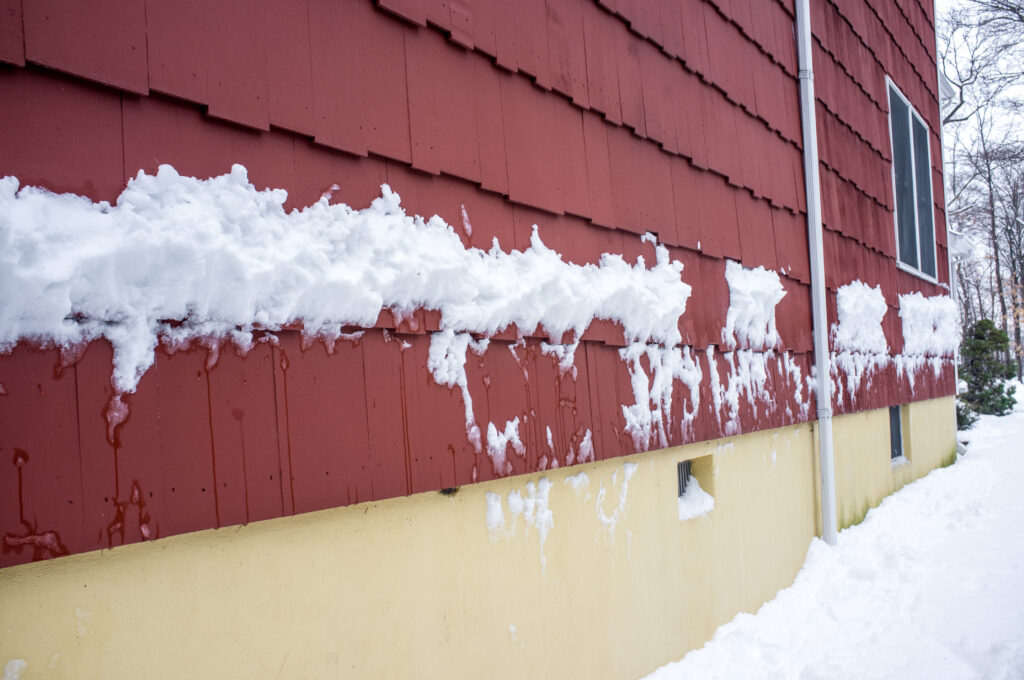
Choosing siding color in a cold climate involves more than aesthetics. The color you select directly affects how your siding handles freeze-thaw cycles, UV exposure during long winter days, and the constant thermal stress that comes from temperature swings of 100°F or more between seasons. Make the wrong choice, and you may face premature fading, warping, or material degradation years before the siding should need replacement.
This guide explains the science behind siding color performance in cold climates, identifies which colors work best with different siding materials, and helps you balance durability concerns with energy efficiency and curb appeal.
How Siding Color Affects Cold Climate Durability
Color influences siding performance through two primary mechanisms: heat absorption and UV exposure. Understanding both helps explain why some color choices outperform others when temperatures regularly drop below zero.
Thermal Cycling and Expansion
Dark colors absorb significantly more solar radiation than light colors. A dark charcoal siding panel facing south can reach surface temperatures 30-50°F higher than an identical white panel on the same day. This temperature differential creates expansion and contraction cycles that stress siding materials throughout every sunny winter day.
The impact varies dramatically by material:
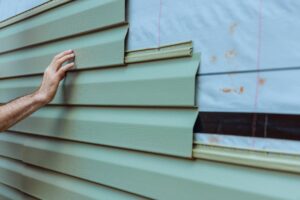
- Vinyl Siding: Expands and contracts most significantly, with thermal movement of 0.3-0.4% per 50°F temperature change. A 12-foot panel can move up to half an inch annually in climates with extreme temperature swings. Dark colors amplify surface temperature extremes, accelerating wear on fasteners, joints, and the material itself.
- Fiber Cement: Demonstrates minimal thermal movement regardless of color. Its rigid composition of cement, sand, and cellulose fibers resists the expansion and contraction that causes problems with other materials. This stability makes fiber cement the most forgiving material for dark color choices in cold climates.
- Metal Siding: Experiences moderate thermal movement between vinyl and fiber cement. Requires adequate expansion gaps at panel seams and proper fastening to accommodate seasonal changes without buckling.
- Engineered Wood: Responds primarily to moisture rather than temperature, but dark colors that absorb heat can help accelerate snow and ice melt away from the siding surface.
UV Exposure and Fading
Cold climate homeowners often underestimate UV exposure. Snow reflects sunlight back onto siding surfaces, effectively doubling UV exposure on sunny winter days. This reflected radiation accelerates fading, particularly on south and west-facing walls that receive direct afternoon sun.
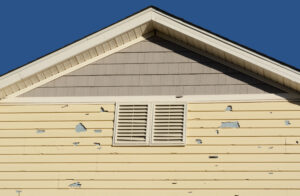
Darker colors show fading more noticeably than lighter colors because there’s more contrast between the original shade and the faded result. A navy blue that fades 15% looks obviously worn; a cream that fades 15% barely registers to the eye. This visual difference doesn’t mean light colors resist UV damage better, just that they hide fading more effectively.
Snow Reflection Factor: Homes in snowy climates experience UV radiation levels comparable to much sunnier regions due to snow’s reflective properties. UV levels increase approximately 4-6% for every 1,000 feet of elevation, compounding the effect for homes in northern mountain areas.
Material-Specific Color Recommendations
The best siding color depends heavily on the siding material you’ve chosen or plan to install. Each material handles thermal stress and UV exposure differently, creating distinct considerations for color selection.
Actual costs depend on your location, project scope, and materials. The best way to know what you'll pay is to get quotes from local contractors.
Get Your Free Estimate →Fiber Cement Siding
Fiber cement offers the widest color flexibility in cold climates. Its dimensional stability means dark colors don’t create the thermal cycling concerns present with vinyl or aluminum. Products engineered specifically for cold climates, like the James Hardie HZ5 line, resist cracking, rotting, and swelling through freeze-thaw cycles regardless of color choice.
Factory-applied finishes provide the best color durability. ColorPlus Technology and similar baked-on finishes offer up to 30% more fade resistance than field-applied paint. The controlled factory environment ensures consistent coverage and proper curing that outdoor painting conditions cannot match.
For fiber cement in cold climates, charcoal grays, deep blues, forest greens, and rich browns all perform well. The 15-year color warranty on factory finishes covers peeling, cracking, and chipping, with the 30-year substrate warranty applying regardless of color.
Vinyl Siding
Vinyl requires more strategic color selection. Standard vinyl becomes brittle in subzero temperatures and responds dramatically to thermal cycling. Historically, manufacturers limited dark vinyl colors because the heat absorption caused warping and buckling.
Modern vinyl siding technology has improved significantly. Current formulations include UV stabilizers and impact modifiers that handle temperature extremes better than products from even five years ago. Insulated vinyl siding with foam backing provides additional stability, reducing the thermal cycling effects that cause problems with standard panels.
Still, for maximum durability, lighter and mid-tone colors remain the safer choice for vinyl in cold climates. If you prefer darker colors with vinyl, choose premium products specifically marketed for temperature extremes, and verify that the manufacturer’s warranty applies to darker shades in your climate zone.
Engineered Wood Siding
Engineered wood products like LP SmartSide combine wood fibers with resins and binding agents for improved stability over natural wood. These products handle dark colors reasonably well when factory-finished, though they don’t match fiber cement’s thermal stability.
The primary concern with engineered wood is moisture rather than thermal cycling. Dark colors that absorb heat can actually help by accelerating snow and ice melt away from the siding surface. However, factory-applied finishes are essential for cold climates, as field painting requires more frequent maintenance.
"We matched with a great contractor the same day. The whole process was easy and completely free."
Metal Siding
Aluminum and steel siding expand and contract with temperature changes, though less dramatically than vinyl. Metal’s primary advantage is durability against impact and severe weather, but color considerations apply.
Dark metal siding absorbs significant heat, which can cause noticeable expansion at panel seams. Proper installation with adequate expansion gaps mitigates this concern. The bigger issue for metal in cold climates is corrosion resistance, particularly in areas where road salt spray reaches the home’s exterior. Color choice matters less than coating quality for metal siding longevity.
| Siding Material | Best Color Range for Cold Climates | Colors to Approach Carefully | Key Durability Factor |
|---|---|---|---|
| Fiber Cement | Full spectrum; dark colors perform well | None specific; all colors viable with factory finish | Factory-applied finish quality |
| Vinyl (Standard) | Whites, beiges, light grays, pastels | Dark browns, blacks, deep reds | UV stabilizers and impact modifiers |
| Vinyl (Insulated) | Expanded range including medium tones | Very dark colors still require premium products | Foam backing stability |
| Engineered Wood | Earth tones, medium grays, muted colors | Very light colors (show dirt quickly) | Moisture resistance and finish integrity |
| Metal (Aluminum/Steel) | All colors with proper coating | None specific; coating quality matters more | Corrosion-resistant finish |
Energy Efficiency Considerations
The relationship between siding color and energy efficiency is real but frequently overstated. Dark colors absorb more solar radiation, which provides some passive heating benefit in winter. Light colors reflect heat, which matters more in summer cooling climates than in regions where heating dominates energy costs.
How Much Does Color Really Matter?
Dark siding can absorb up to 90% of solar energy striking its surface, while light colors may reflect 50% or more. However, research consistently shows that wall insulation and air sealing have 2-3 times more impact on home temperature regulation than exterior color choice.
A well-insulated home with light-colored siding will outperform a poorly-insulated home with dark siding for energy efficiency in any climate. Color is a secondary factor that provides marginal benefit when the primary factors, insulation, air sealing, and window quality, are already optimized.
Don’t Sacrifice Durability for Energy Claims: Some homeowners choose very dark colors hoping to reduce heating costs, only to face premature siding replacement. The modest energy savings from solar heat absorption rarely offset the cost of early replacement if the dark color accelerates material degradation.
Balanced Approach for Four-Season Climates
Homes in regions with both harsh winters and warm summers benefit from a balanced color approach. Mid-tone colors, grays, taupes, sage greens, and slate blues, absorb moderate amounts of heat without the extremes of very dark or very light options. These colors work well year-round: warm enough to contribute passive heating in winter, cool enough to avoid excessive heat gain in summer.
Pairing mid-tone siding with lighter trim and darker accents provides both aesthetic depth and functional balance. The neutral primary color handles the bulk of thermal stress, while accent colors can be chosen purely for visual impact.
Best Siding Colors for Cold Climates in 2026
Current color trends align surprisingly well with cold climate durability requirements. The shift away from stark whites toward warmer neutrals and the embrace of darker statement colors both work within the parameters that cold climate durability demands.
Top Performing Colors
Charcoal Gray: The most versatile dark option for cold climates. Charcoal absorbs solar heat without reaching the extreme surface temperatures of true black. Factory-finished fiber cement in charcoal gray handles Minnesota winters with no durability concerns. Pairs exceptionally well with white or cream trim.
Slate Gray: A step lighter than charcoal, slate gray offers similar sophistication with slightly less thermal stress. This mid-tone hides dirt and wear better than light colors while creating less stark contrast against snow than darker options.
Navy and Deep Blue: Blue tones are gaining significant popularity and perform well in cold climates when applied to fiber cement or premium vinyl. Modern UV-resistant technology keeps deep blues looking vibrant for 15+ years. Best paired with white or natural wood-tone accents.
Sage and Forest Green: Earth tones connect homes to natural surroundings and handle cold climate conditions well. Green particularly suits homes in wooded settings, creating visual harmony with the landscape. Sage green has emerged as one of the dominant exterior color trends for 2025-2026.
Warm Taupe and Greige: The blend of gray and beige creates a warm neutral that hides wear exceptionally well. These colors work across architectural styles and maintain their appearance through the salt, mud, and grime that cold climate winters deposit on exterior surfaces.
Warm White and Cream: Moving away from stark “builder white,” warm whites with cream or ivory undertones provide classic appeal with better dirt concealment. These colors reflect heat and UV, maximizing material lifespan while adapting to any accent color scheme.
Colors That Require Extra Consideration
True Black: The all-black house trend has challenged the capabilities of siding materials. While modern fiber cement can handle black in cold climates, the extreme heat absorption and visual contrast issues make it a demanding choice. Black shows every imperfection, fades noticeably, and creates harsh contrast against snow. If choosing black, specify premium fiber cement with factory finish and accept that periodic touch-ups will likely be needed sooner than with lighter colors.
Dark Red and Burgundy: These colors fade more quickly than blues, grays, or greens of equivalent darkness. Red pigments are less stable under UV exposure, requiring more fade-resistant formulations to maintain appearance. Achievable with quality products, but verify the specific color’s warranty coverage.
Pure White: While thermally ideal, pure white shows every speck of dirt, pollen, mildew, and weathering. In cold climates where road salt, mud, and debris constantly contact the home’s exterior, white requires more frequent cleaning to maintain its appearance. Warm whites and creams provide similar thermal benefits with better practical performance.
Why Hire a Licensed Professional
- Licensed & insured — protects you from liability
- Warranty coverage — manufacturers require pro installation
- Code compliance — avoids permit issues
- Faster completion — pros finish in days, not weeks
Installation and Maintenance Factors
Even the best color choice can’t compensate for poor installation or neglected maintenance. Cold climate conditions demand attention to details that matter less in milder regions.
Installation Requirements
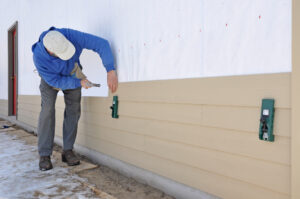
Proper installation accounts for thermal movement regardless of color, but dark colors make correct installation even more critical. Dark-colored siding should never be installed tight to adjacent surfaces. The additional heat absorption means more expansion during sunny days, even in winter. If the installation doesn’t allow for this movement, buckling, warping, or fastener pull-through will result.
Critical installation rules for vinyl siding in cold climates:
- Center nails in elongated nail slots rather than placing them at either end, allowing panels to slide as they expand and contract
- Never drive nails tight against the panel; leave approximately 1/32-inch clearance between the nail head and siding
- Maintain 1/4-inch gaps at all trim pieces, J-channels, and corner posts
- Increase gaps to 3/8-inch when installing in cold weather (below 40°F) to accommodate additional expansion when temperatures rise
- For fiber cement, ensure correct flashing and caulking at all joints to prevent moisture intrusion
Maintenance Expectations by Color
Color choice directly affects how much maintenance your siding will require to look its best:
- Light Colors (white, cream, light gray): Require an annual rinse with a garden hose to remove standard dust and pollen. Show less visible fading over time.
- Mid-Tone Colors (taupe, sage, slate): Hide dirt and minor weathering well. Typically need washing once per year, with spot cleaning as needed.
- Dark Colors (charcoal, navy, forest green): Show dust, pollen, and water spots more readily. May require washing twice yearly to maintain appearance. Fading is more noticeable when it occurs.
- All Colors: Monitor south and west exposures for uneven fading patterns. Some fading is normal, but uneven fading indicates a finish problem that may be covered under warranty.
Factory-finished products typically include touch-up paint or warranty coverage for premature fading, making them a better long-term value than field-painted options.
Warranty Verification: Before finalizing your color choice, confirm that the manufacturer’s warranty applies to that specific color in your climate zone. Some warranties exclude very dark colors or have different terms for darker shades. ColorPlus and similar factory finishes typically carry 15-year limited warranties covering peeling, cracking, and chipping.
DIY vs. Professional: At a Glance
Cost Considerations
Siding color itself doesn’t significantly affect material cost. A charcoal gray panel costs the same as a white panel in the same product line. However, color choice can affect long-term costs through maintenance requirements and replacement timing.
Fiber cement siding, which handles all colors well in cold climates, costs $5 to $15 per square foot installed, with most projects totaling $8,000 to $26,000 for an average home. Vinyl siding costs significantly less at $4 to $12 per square foot installed, but material limitations may restrict color options in cold climates.
The durability difference between appropriate and inappropriate color choices can mean the difference between siding lasting 30-50 years versus requiring replacement at 15-20 years. Given that siding replacement returns approximately 70-85% of costs at resale, premature replacement represents a significant financial loss.
| Siding Type | Cost Per Square Foot (Installed) | Expected Lifespan | Color Limitations in Cold Climates |
|---|---|---|---|
| Vinyl (Standard) | $4-$8 | 15-25 years | Light to medium tones recommended |
| Vinyl (Insulated) | $6-$12 | 20-30 years | Expanded color range with premium products |
| Fiber Cement | $7-$18 | 30-50 years | No significant limitations |
| Engineered Wood | $6-$12 | 25-40 years | Factory finish required for dark colors |
| Metal (Aluminum) | $5-$12 | 40-50 years | Coating quality matters more than color |
Resale Value and Curb Appeal
Color trends evolve, but durability requirements don’t. When selecting siding colors with resale in mind, balance current trends against timeless appeal and practical performance.
Neutral colors consistently perform best for resale because they appeal to the broadest buyer pool. Grays, taupes, whites, and muted earth tones rarely alienate potential buyers. Bold colors like bright blue, red, or unusual greens may attract some buyers while repelling others.
That said, contemporary dark exteriors have gained significant market acceptance. Real estate agents in northern markets report that homes with well-executed dark exteriors often draw stronger buyer interest and more showings than comparable homes with dated tan or beige siding. The key is execution: quality materials, appropriate contrasting trim, and cohesive design.
HOA and Historic District Considerations: Before finalizing any color selection, verify that your choice complies with homeowner association guidelines or historic district regulations. Some communities restrict exterior colors, and violations can require costly repainting or siding replacement. Request written approval before purchasing materials.
FAQs
Spring and summer are the busiest seasons for home improvement projects — top-rated contractors book up fast. Lock in your estimate now before demand peaks.
Check Availability in Your Area →Does Dark Siding Fade Faster in Cold Climates?
Historically yes, but modern factory-applied finishes with UV-resistant technology resist fading for 15+ years. Dark colors still show fading more noticeably than light colors because there’s more contrast between the original shade and the faded result. A navy blue that fades 15% looks obviously worn; a cream that fades 15% barely registers. Premium siding products with baked-on finishes like ColorPlus Technology maintain color integrity far longer than field-painted alternatives.
What Siding Color Is Best for Energy Efficiency in Cold Climates?
Darker colors absorb more solar heat, which can provide modest reductions in heating costs during winter. Dark siding can absorb up to 90% of solar energy striking its surface. However, proper wall insulation has 2-3 times more impact on energy efficiency than exterior color choice. A well-insulated home with light siding will outperform a poorly-insulated home with dark siding every time.
Does Siding Color Affect How Long Siding Lasts?
Yes, particularly for vinyl siding. Darker colors absorb more heat, causing greater thermal expansion and contraction cycles that stress materials over time. Vinyl siding expands 0.3-0.4% per 50°F temperature change, and dark colors amplify surface temperature swings. Fiber cement shows minimal thermal movement regardless of color, making it the most forgiving material for dark color choices in cold climates.
Ready to Move Forward?
Tell us about your project and get matched with up to 3 pre-screened contractors. Compare quotes, check reviews, and hire with confidence.
What Are the Best Siding Colors for Snowy Climates?
Mid-tone colors like charcoal gray, slate blue, sage green, and warm taupe offer the best balance. These colors hide dirt and wear better than white, create less dramatic visual contrast against snow than very dark colors, and absorb moderate amounts of heat without extreme thermal stress. They also tend to be the most versatile for coordinating with different roof colors and architectural styles.
Should I Avoid Dark Siding in Cold Climates?
Not necessarily. Modern siding technology has largely solved the durability concerns with dark colors. Fiber cement and engineered wood with factory-applied finishes can handle dark colors in cold climates without warping or excessive fading. The key is choosing quality materials with UV-resistant coatings, specifying factory-applied rather than field-painted finishes, and ensuring proper installation that allows for thermal movement.
How Much Does Siding Color Affect Home Resale Value?
Color choice can influence whether your siding replacement returns at the high or low end of the typical 70-85% ROI range. Neutral and classic colors consistently perform best for resale because they appeal to the broadest buyer pool. Contemporary dark exteriors have gained market acceptance and can attract strong interest in many markets, but bold or unconventional colors may limit your potential buyers.
Making Your Decision
The best siding color for your cold climate home balances multiple factors: material compatibility, thermal performance, UV resistance, maintenance requirements, energy considerations, and personal aesthetic preferences. No single color works best for everyone, but understanding how these factors interact helps you make an informed choice.
If choosing vinyl siding in a harsh climate, lighter colors remain the safest choice for maximum durability. If fiber cement fits your budget, color selection opens considerably since the material handles thermal stress regardless of shade. Mid-tone colors like charcoal gray, slate blue, sage green, and warm taupe represent the sweet spot for most cold climate homes, offering modern aesthetics, reasonable thermal performance, and forgiving maintenance characteristics.
Before finalizing your decision, confirm these critical factors:
- Verify material compatibility with your climate: Ensure your chosen siding material can handle dark colors if that’s your preference, or select lighter shades for vinyl in extreme cold
- Confirm manufacturer warranty coverage for your specific shade: Some warranties exclude very dark colors or have different terms by climate zone
- Prioritize factory-applied finishes over field painting: Baked-on finishes like ColorPlus Technology outperform site-applied paint for longevity and fade resistance
- Budget for proper installation: Quality installation that accounts for thermal movement is essential, especially for darker colors
- Consider long-term maintenance: Factor cleaning frequency and touch-up requirements into your color decision
The upfront attention to these details determines whether your siding looks great for decades or disappoints within years.

Anna has over six years of experience in the home services and journalism industries and serves as the Content Manager at MyHomePros.com, specializing in making complex home improvement topics like HVAC, roofing, and plumbing accessible to all. With a bachelor’s degree in journalism from Auburn University, she excels in crafting localized, comprehensive guides that cater to homeowners’ unique needs. Living on both coasts of the United States has equipped her with a distinctive perspective, fueling her passion for turning any house into a cherished home through informed, personalized decision-making.
Connect with top-rated local contractors who can help you with siding, roofing, HVAC, windows, and more. Get free quotes from verified professionals in your area today.