
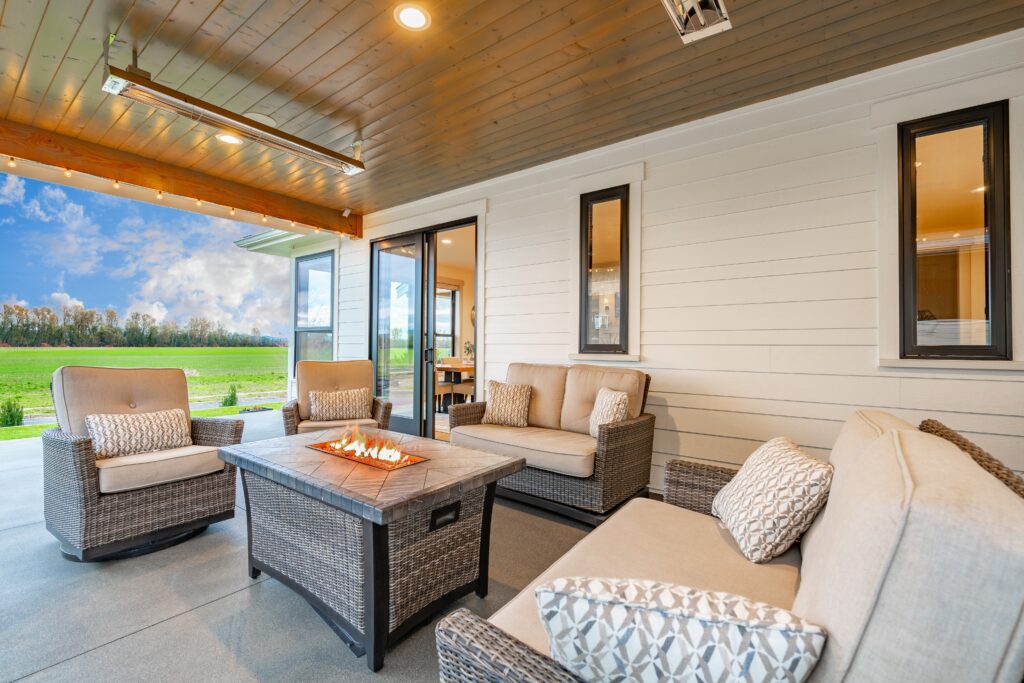
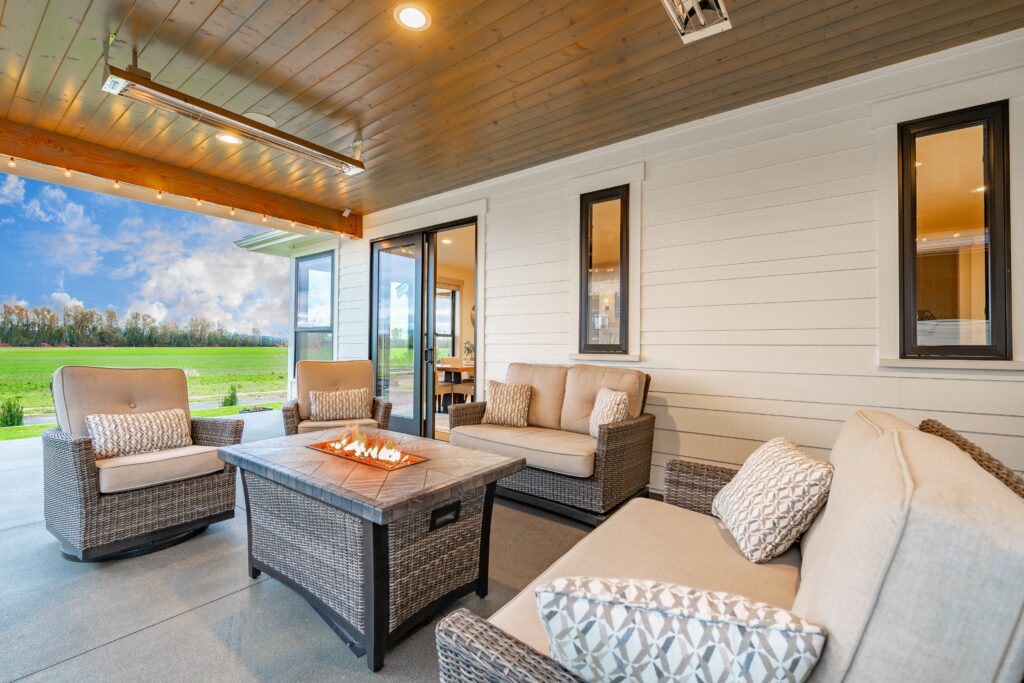
The modern farmhouse has become one of the most popular styles in home design today. Homeowners are drawn to it because it strikes the right balance between comfort and simplicity. It blends the warmth and charm of a classic farmhouse with the clean lines, neutral colors, and refined details of modern design.
The result is a home that feels both current and timeless, sophisticated yet unpretentious.
While interior details get a lot of attention, the most important element for this look is the exterior. Your siding choice is the single biggest decision for setting the modern farmhouse tone. This guide covers the key siding styles, materials, and details you need to create the perfect modern farmhouse.
What Defines the Modern Farmhouse Look?
Before you choose siding, you need to know the core parts of the look. It’s a simplified, more sophisticated take on the classic country home.
Key features:
- Simple Shapes: Classic, simple building forms like steep gables and simple rooflines.
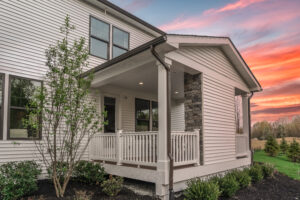
- Large Porches: Functional, covered front porches are a common element.
- Contrasting Colors: This is a key feature. The most common combination is crisp white siding with stark black accents (like windows, trim, and gutters).
- Natural Textures: Siding textures, wood accents, and touches of stone or metal keep the design from feeling too cold.
Key Siding Choices for the Perfect Modern Farmhouse Look
Many of the best modern farmhouse designs use a mix of siding styles to create depth and visual interest. Combining different textures and directions, such as vertical board and batten with horizontal lap siding, adds character and highlights the home’s architectural features.
1. The Signature Siding: Board and Batten
When you picture a modern farmhouse, you are likely picturing board and batten siding. It’s the signature look for this style.
- What it is: Board and batten is a type of vertical siding. Installers place wide vertical panels (the “boards”), then cover the seams with thin vertical strips (the “battens”).
- Why it works: Using vertical panels draws the eye upward, making the home feel taller. It creates a layered, rustic, and charming look that defines the style.
2. Classic Horizontal Lap Siding
Classic lap siding is a timeless choice, but it needs a few modern updates to fit this style.
- Why it works: It provides a clean, horizontal canvas that everyone recognizes.
- How to make it modern: First, Go Wider. Choose wider planks, often 7 inches or more. This looks more contemporary and less busy. Second, Go Smoother. Many modern farmhouse designs use a smooth-finish lap siding (not a heavy wood grain) to create clean lines.
Actual costs depend on your location, project scope, and materials. The best way to know what you'll pay is to get quotes from local contractors.
Get Your Free Estimate →3. Mixing Siding Styles for a Modern Look
While board and batten is the star, most designs mix materials. The most common combination is pairing vertical board and batten with traditional horizontal lap siding.
A common strategy is to use horizontal lap siding on the main body of the house and save the board and batten for key architectural features:
- In the Gables: Using board and batten in the gables (the triangular part of the roof) creates a high-contrast focal point.
- On “Bump-Outs”: Placing vertical siding on sections that project forward, like an entryway, adds depth.
- On Dormers: Cladding dormers in a different style sets them apart from the main roof.
Choosing the Right Siding Material
The style of siding is only part of the story. The material impacts the look, durability, and maintenance.
- Fiber Cement: A top choice for durability. It’s fire-resistant, pest-proof, and holds paint for years, giving you that sharp, clean look. It is, however, heavy and one of the more expensive options to install.
- Premium Vinyl: The most budget-friendly option. Vinyl board and batten is low-maintenance and easy to clean. The main downside is that the seams can be more visible, and it may not look as premium as fiber cement.
- Engineered Wood: Offers a very realistic wood-grain look for less than real wood. It’s lighter than fiber cement but requires careful installation to prevent moisture issues at the seams.
"We matched with a great contractor the same day. The whole process was easy and completely free."
Nailing the Modern Farmhouse Color Palette
The color palette is just as important as the siding style. It’s all about high contrast and clean simplicity.
The Classic: Crisp White
There is a reason bright, clean white is the go-to color. It’s a great blank slate. It makes the simple shapes of the house stand out and provides the perfect backdrop for contrast.
The Moody Look: Dark & Daring
For a more dramatic, contemporary take, dark siding is a bold choice. Think deep charcoal gray, moody navy blue, or even a saturated black. This look reverses the classic formula, typically using white or natural wood trim to create the contrast.
It’s All About the Contrast
A modern farmhouse is not monotone. The contrast is what makes it work.
- If your siding is white: Pair it with black window frames. This is one of the most defining features of the look. Add black gutters, black gooseneck barn lights, and a black or wood-stained front door.
- If your siding is dark: Pair it with thick, white trim around the windows and roofline to create a crisp outline.
The Importance of Trim and Accents
The “farmhouse” look is incomplete without its signature accents. The siding is the canvas, but the trim is the frame.
- Window and Door Trim: Modern farmhouses use wide, simple trim (often 4 or 5 inches wide). Unlike traditional trim, it’s flat and unadorned, often painted in high-contrast black or a crisp white.
- Window Grids: Grids (or “grilles”) are important for the farmhouse feel. Look for simple patterns like a 2×2 or 3×1 grid, rather than a busy traditional grid.
- Natural Wood Accents: To keep the home from feeling too stark, add warmth with natural wood elements. Common accents include stained cedar posts for the front porch or a wooden front door.
- Metal Roofs: A standing-seam metal roof over a front porch or a dormer is a classic element that adds another modern, rustic texture.
Vertical Siding Installation Details
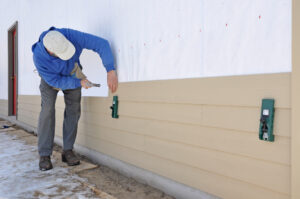
Installing vertical siding, such as board and batten, is more complex than a standard horizontal job. The process involves extra preparation, materials, and precision, which makes it a project best handled by experienced professionals rather than a DIY task.
Why Hire a Licensed Professional
- Licensed & insured — protects you from liability
- Warranty coverage — manufacturers require pro installation
- Code compliance — avoids permit issues
- Faster completion — pros finish in days, not weeks
Why Furring Strips Are Necessary
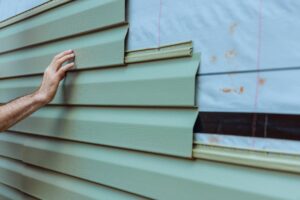
Vertical siding panels cannot be nailed directly to the wall’s sheathing. Before installation, contractors attach horizontal strips of wood called furring strips across the wall. These strips are essential to the structure and function of the siding system.
Providing a Nailing Surface
Because the siding panels run vertically, they need a solid, continuous surface for fasteners. The furring strips give installers a dependable base to nail into, ensuring that each panel remains properly aligned and securely attached.
Creating a Rainscreen
The furring strips also create a small air gap behind the siding known as a rainscreen. This space allows air to circulate and water to drain, preventing moisture from becoming trapped behind the panels. A rainscreen is critical for protecting the home from mold, rot, and long-term structural damage.
DIY vs. Professional: At a Glance
Additional Weatherproofing
Proper installation includes more than just furring strips. Flashing must be installed around windows, doors, and trim to direct water away from vulnerable areas. A continuous weather-resistant barrier (WRB) should also be applied behind the furring strips to provide an extra layer of protection against moisture and temperature changes.
When all these elements work together, vertical siding not only creates a clean, modern look but also forms a durable, weather-resistant exterior that can perform well for decades.
How Much Does Modern Farmhouse Siding Cost?
You should budget more for a modern farmhouse exterior. Compared to a standard horizontal-only design, you can expect the total cost to be 15% to 30% higher.
The higher price comes from two main factors:
- Material Extras: Vertical siding requires a full substructure of horizontal furring strips. You are paying for an extra layer of material and labor.
- Complex Labor: Vertical siding is more time-consuming to install. Mixing materials also means more cutting and detail work at every transition point.
Spring and summer are the busiest seasons for home improvement projects — top-rated contractors book up fast. Lock in your estimate now before demand peaks.
Check Availability in Your Area →Pros and Cons of the Farmhouse Style
This style offers a great visual payoff, but it’s important to know the trade-offs.
The Pros:
- High Curb Appeal: A well-done farmhouse design has a striking, high-end look.
- Increased Home Value: Because the style is so popular and looks custom, it can provide a good return on your investment.
- Timeless Feel: The core elements (gables, porches, simple lines) are based on classic American architecture.
The Cons:
- Higher Cost: As mentioned, the extra labor and materials for vertical siding make it more expensive.
- Can Look “Cookie-Cutter”: Because it’s so popular, a poorly planned design can look generic. You must use authentic materials and good proportions.
- More Complex Maintenance: Cleaning textured, vertical board and batten can be more difficult than power-washing smooth horizontal planks.
Common Mistakes to Avoid
A successful modern farmhouse design depends on precision and thoughtful planning. Missing small details can cause the entire look to feel unbalanced or unfinished. To achieve a clean, cohesive exterior, avoid these common mistakes.
Getting the proportions wrong
Proportion plays a major role in creating balance. A common mistake is dividing siding styles evenly, which can make the design appear cluttered. Instead, select one siding type, such as horizontal lap, as the main feature. Use a secondary style, such as vertical board and batten, only in specific areas like gables, dormers, or an entry bump-out. This approach creates visual interest without overwhelming the design.
Ready to Move Forward?
Tell us about your project and get matched with up to 3 pre-screened contractors. Compare quotes, check reviews, and hire with confidence.
Forgetting transition trim
Two different siding materials should never meet directly. Skipping the transition trim results in visible seams and an unfinished appearance. The correct method is to install wide, flat trim boards at transition points, such as where the first story meets the second or at corners. This creates a clean separation and gives the home a polished, professional look.
Cutting corners on installation
Quality installation is essential for performance and longevity. Vertical siding requires a rainscreen, which is an air gap created with furring strips behind the panels. This space allows water to drain and air to circulate, preventing moisture buildup and rot. Skipping this step to save money often leads to water damage and voids the manufacturer’s warranty.
Choosing the wrong white
Color choice has a major impact on the overall design. The modern farmhouse look depends on a crisp, bright white that contrasts sharply with black or dark trim. Warm or yellow-toned whites can appear dull or aged, especially in sunlight. A clean, neutral white maintains the fresh, high-contrast appearance that defines the modern farmhouse style.
Conclusion
Getting the modern farmhouse look is all about balance. It combines the warmth of rustic materials with the clean simplicity of modern design. The key is not any single feature, but how the siding, color palette, and details come together to create a cohesive, timeless look.
By choosing the right siding materials, embracing a high-contrast color scheme, and paying attention to the finishing touches, you can design a home that feels both contemporary and inviting. Because vertical siding and mixed materials require precision, it’s best to work with an experienced installer who understands the style and the details that make it stand out.
For expert guidance and accurate pricing, get free quotes from local siding professionals today.

Anna has over six years of experience in the home services and journalism industries and serves as the Content Manager at MyHomePros.com, specializing in making complex home improvement topics like HVAC, roofing, and plumbing accessible to all. With a bachelor’s degree in journalism from Auburn University, she excels in crafting localized, comprehensive guides that cater to homeowners’ unique needs. Living on both coasts of the United States has equipped her with a distinctive perspective, fueling her passion for turning any house into a cherished home through informed, personalized decision-making.
Connect with top-rated local contractors who can help you with siding, roofing, HVAC, windows, and more. Get free quotes from verified professionals in your area today.