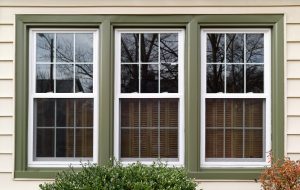



So, you’ve heard about Pop-In Windows. But what sort of a window is a “pop-in” window, anyway? The plain answer is… it isn’t just one type of window. “Pop-in windows” is a category, not a single standardized product name.
Depending on the provider, “pop-in” might mean insert windows, pocket (retrofit) replacement, frame-in-frame installs, or a branded “quick-install” method that’s unique to that contractor’s workflow. The consistent theme is this: the existing window frame (or parts of it) stay in place, and the new unit installs into that opening with less disruption (and often less cost) than a full tear-out.
That distinction matters because “pop-in” approaches can be faster and less invasive—but they’re not always advisable, and they’re not always cheaper once you account for performance, hidden damage, and local code requirements.
This guide explains what’s likely “in” a pop-in quote, what it can typically cost in 2026, and how to compare bids without getting tricked by apples-to-oranges scopes.
What Are “Pop-In” Windows?
In consumer terms, most “pop-in” installs map to retrofit replacement, meaning the existing frame remains, and the new window is installed inside it. Full-frame vs retrofit can be a key cost factor.
Common “pop-in” flavors you’ll hear:
- Insert replacement windows: New window fits within the existing frame; typically less exterior disturbance.
- Pocket replacement (retrofit): Similar concept; terminology varies by region and contractor.
- Provider-branded quick installs: A contractor may have a system that minimizes trim work or streamlines labor scheduling; the exact method varies.
Important: Some companies use “pop-in” loosely even when they’re doing partial frame work—so the safest approach is to ask, “Is this retrofit/insert, or full-frame replacement?” or “how do you define a “pop-in window?” Some providers will not even use or be familiar with this terminology, depending on their product lines.
Pop-In Windows Cost in 2026: What You Can Expect
Because “pop-in” generally aligns with retrofit/insert replacement, the best way to price it is to anchor to large published cost guides and then show how your window type, material, and project scale change the number.
Typical per-window installed ranges (national)
Across major cost datasets, homeowners commonly see replacement window pricing in these broad bands. See how these published sets overlap:
- HomeAdvisor: $300 to $2,100 per window (average around $850).
- Angi: $300 to $2,500 per window (“about $750 per window” as a typical breakdown).
- Homewyse: $632 to $967 per window (as a January 2026 “basic cost” estimate, ZIP-code adjustable)
- Modernize: 2026 national average around $1,047 per window
Where “pop-in” fits:
Pop-in/insert installs often land in the middle of these ranges when the existing frame is solid and square, because labor can be simpler than full-frame tear-outs, and there is less waste and clean-up than a full tear-out and replacement. But the moment you need rot repair, flashing corrections, resizing, or egress changes, you can often drift toward full-frame complexity and cost.
Actual costs depend on your location, project scope, and materials. The best way to know what you'll pay is to get quotes from local contractors.
Get Your Free Estimate →Cost per Window Type (a/k/a “Why Did My Quote Jump?”)
Window style can move pricing materially. As an example, a Home Depot cost guide provides installed ranges by window type (awning, bay, casement, double-hung, sliding, shaped, etc.). HomeAdvisor’s cost list shows similar differences in typical cost bands for installing different window types (e.g., single-hung, double-hung, picture).
A practical takeaway for “pop-in” shoppers:
- Standard shapes (single-hung, double-hung, sliders) often price more predictably.
- Specialty windows (bay/bow, shaped) can spike because of size, structural considerations, and labor. They are also typically harder to match exactly to be able to “pop” in.
Cost for 15 Pop-In Windows (with realistic “volume” context)
These are broad and non-specific ranges, which can vary widely by both region and provider. Use these as context, not a full-fledged planning tool. Speak with a local provider to better understand costs in your area.
"We matched with a great contractor the same day. The whole process was easy and completely free."
A reasonable “planning range” for 15 windows
Using the big published ranges above, many homeowners will see a 15-window project land somewhere in:
- Lower end: 15 × ~$600 ≈ $9,000 (in markets/projects that hit the low-mid range)
- Mid band: 15 × ~$850 ≈ $12,750
- Higher end: 15 × ~$1,047 ≈ $15,705
- Premium/complex projects: can well exceed all of the above if you’re using premium materials, large openings, specialty shapes, or full-frame conditions
Are “bulk discounts” real?
There is credible “industry common sense” here: replacing many windows at once can reduce repeated setup/trip costs and improve labor efficiency. That’s not a guarantee every contractor discounts line-item pricing, but it does support a fair statement like:
“Replacing more windows at once can sometimes reduce the per-window cost because setup and labor can be spread across a larger job.”
If you want the cleanest consumer guidance: ask each contractor for both:
- Price for 15 windows now, and
- Price for 5 windows now + 10 later
…and compare the effective per-window number.
What Drives Pop-In Window Prices Up or Down?
1) Retrofit (pop-in) vs full-frame replacement
Manufacturers and major guides consistently frame full-frame replacement as more extensive and typically higher cost than insert/retrofit installs, because it involves more removal and potential changes to the opening.
Simple rule:
If a provider is calling it “pop-in,” but the scope includes removing exterior trim, reframing, repairing sheathing, or resizing openings, you will probably be paying closer to full-frame economics—because you’re effectively doing full-frame work.
2) Frame material (vinyl vs fiberglass vs wood vs aluminum)
Window material is a major cost driver in almost every cost guide. HomeAdvisor explicitly calls out material and type as key drivers.
Pella’s Feb 2026 “replacement window cost” article also provides installed ranges by material tier (e.g., wood at higher price points).
Why Hire a Licensed Professional
- Licensed & insured — protects you from liability
- Warranty coverage — manufacturers require pro installation
- Code compliance — avoids permit issues
- Faster completion — pros finish in days, not weeks
3) Glass package and performance (double-pane, triple-pane, Low-E)
Better glass packages can raise cost but improve comfort and efficiency—especially in extreme climates. Many cost guides note glass type/efficiency as a factor, and ENERGY STAR ties tax-credit eligibility to specific “Most Efficient” criteria.
4) Your home’s reality: access, stories, and “hidden” repair
Second-story windows, difficult access, or damaged framing/trim will probably raise labor. Angi notes labor can vary significantly and can be higher for complex installs.
DIY vs. Professional: At a Glance
When Pop-In (Insert) Windows Are Not Advisable
Pop-in can be excellent—when your existing frame is worth keeping.
But “pop-in” is often a poor choice if you have:
- Rot, soft wood, or water intrusion around the frame
- Out-of-square openings (the new insert won’t seal properly)
- Failed flashing / chronic leakage
- A need to change window size or meet egress requirements
- A desire to maximize glass area (insert windows can often slightly reduce visible glass because they sit within the old frame)
This is also where homeowners get surprised: the lowest bid sometimes assumes “pop-in everywhere,” while a more thorough bid includes selective full-frame replacements where conditions demand it.
A simple way to keep it fair: ask each provider, “Which windows can truly be insert replacements, and which should be full-frame—and why?” and get a thorough quote by line item.
Permits and Code: Do You Need a Permit for Pop-In Windows?
Permit requirements vary dramatically by municipality, and that can mean different rules for houses across the street from one another. Here’s an example of how very local this can be:
- The City of Scottsdale’s home-improvement page explicitly lists “adding or replacing windows” as a permit-triggering item (with an exception for replacing the glass in an existing frame).
- The City of Phoenix has a permit guidance brochure for homeowners that lists examples of permitted work with far more latitude, and emphasizes checking requirements.
- Ask your contractor: “Are permits included in your price? If not, who pulls them?”
If you want a broader, non-city-specific permitting overview, PermitFlow has a general “window replacement permits” explainer—useful as a process outline, but your city/county will give you the best advice, as local rules still always matter most.
Spring and summer are the busiest seasons for home improvement projects — top-rated contractors book up fast. Lock in your estimate now before demand peaks.
Check Availability in Your Area →Insurance and Incentives: What’s Realistic
Insurance
Insurance coverage depends on why you’re replacing windows.
If the windows are damaged by a covered event (hail, wind-driven debris, a tree limb), coverage may be possible, depending on your policy. But normal wear, seal failures over time, or simply wanting better windows are almost always a homeowner-paid item.
Because policies vary so widely, the safest approach is:
- Check your policy
- Document any damage to your windows
- Talk to your insurer before assuming anything
Incentives and tax credits (2026 reality check)
For federal incentives, the most reliable places to understand your options are the IRS and ENERGY STAR.
- The IRS explains the Energy Efficient Home Improvement Credit (25C) and how credits apply to qualified improvements.
- ENERGY STAR states that exterior residential windows/skylights must meet ENERGY STAR “Most Efficient” criteria to be eligible for the 25C Federal Tax Credit.
Important note: eligibility rules and caps can change, and the IRS page itself is the best “current truth.”, which should be consistently updated. If you are counting on incentives to make your budget work, you should verify eligibility before purchase and consider consulting a tax professional.
Ready to Move Forward?
Tell us about your project and get matched with up to 3 pre-screened contractors. Compare quotes, check reviews, and hire with confidence.
Regional Pricing: Why the Same “Pop-In” Job Costs More (or Less) by ZIP Code
Regional modifiers are real. Labor markets, climate demands, and the typical glass package in your area can markedly impact your pricing.
As an example:
- Desert markets may prioritize heat-resistant glass packages
- Cold climates may push toward triple-pane options
- Wet or windy climates may emphasize better seals or unique options
- High-cost metros often carry higher labor pricing
For the most accurate number, use a calculator that supports your ZIP code and then validate with real quotes.
How to Compare Pop-In Window Quotes Like a Pro
If you take only one thing from this guide, make it this:
The biggest pricing differences often come from scope—not brand names.
When comparing 2–3 providers, ask each to specify:
-
- Is this insert/retrofit, full-frame, or mixed?
- What’s included in trim work (interior/exterior)?
- What glass package is included (Low-E, argon, double vs triple pane)?
- What’s the warranty (product + labor), and what voids it?
- Who handles permits (and are fees included)?
- What changes if rot or water damage is found?
- What else can change the bottom line?
This is also where the “15 windows” approach helps: quote the same window count across providers (and the same performance level), then compare the totals.
Bottom Line: 2026 Pop-In Windows Cost in Plain English
For 2026, most homeowners planning a “pop-in” window project should expect:
- Per-window installed costs commonly in the $300–$2,500 range, with many projects clustering in the middle of that range, depending on region, materials, and scope
- A 15-window project commonly landing somewhere around $9,000–$16,000+ as a planning band, depending on your market and window package, with premium/complex situations going higher.
- Potential for lower per-window costs when replacing many windows at once due to labor efficiency—not guaranteed, but common enough to ask about explicitly.
If you want the most confidence (and the best odds of fair pricing), compare at least 2–3 providers, make sure they’re quoting the same scope (insert vs full-frame), and verify incentives/permits before you sign.
If you’re ready to price this out, getting quotes from a few local window installers can quickly show whether your home is a strong candidate for true pop-in (insert) replacements—or whether a mix of insert + full-frame is the smarter long-term play. While talking to anyone, let alone more than one provider, can be daunting, you will have better peace of mind about your decision, and often competition for your business.
Connect with top-rated local contractors who can help you with siding, roofing, HVAC, windows, and more. Get free quotes from verified professionals in your area today.