

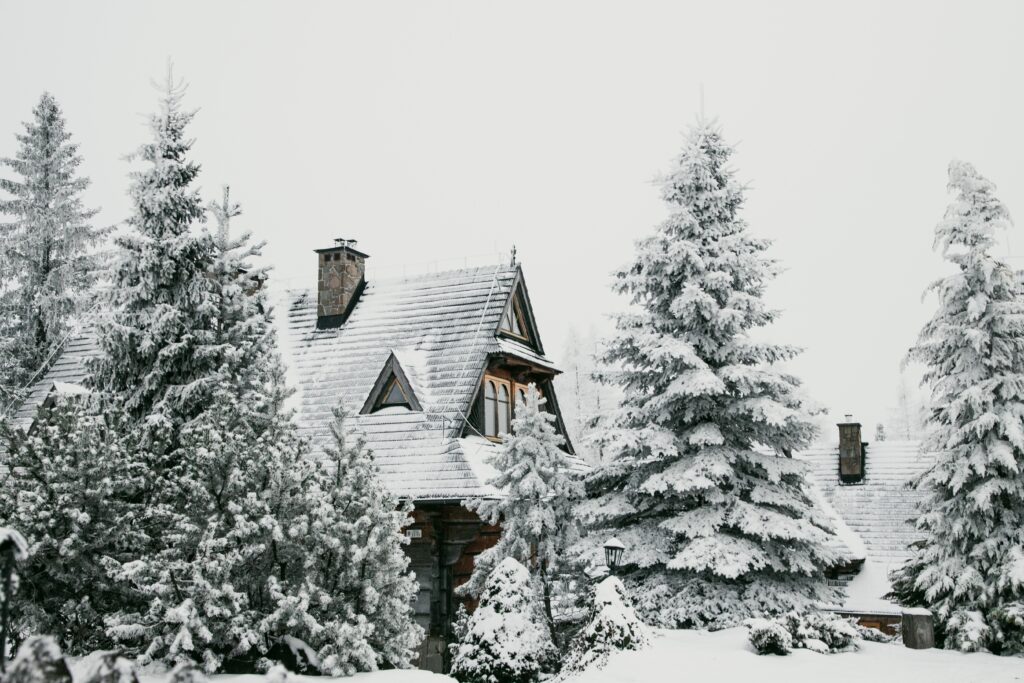
If you live in a snowy or mountain region, siding isn’t just about curb appeal. Heavy snow, ice, wind, moisture, and extreme temperature swings can chew through the wrong siding fast. Choose wisely, though, and your siding can last with minimal issues.
This guide breaks down the best siding options for snowy and mountain climates, what to avoid, and what really matters when you’re making a decision.
Why Snowy and Mountain Climates Are Hard on Siding
Mountain and cold-weather regions put siding through a lot:
- Freeze–thaw cycles cause materials to expand and contract, leading to cracks and warping
- Snow buildup and ice trap moisture against the siding
- High winds at elevation stress fasteners and seams
- Increased UV exposure fades colors faster at higher altitudes
- Moisture intrusion raises the risk of mold, rot, and structural damage
That’s why siding that performs fine in mild climates can fail early in snowy regions.
Best Siding Materials for Snowy and Mountain Regions
Actual costs depend on your location, project scope, and materials. The best way to know what you'll pay is to get quotes from local contractors.
Get Your Free Estimate →Fiber Cement Siding
One of the top performers in harsh climates.
"We matched with a great contractor the same day. The whole process was easy and completely free."
Need professional help with your project?
Get quotes from top-rated pros.
Find Local ProsWhy it works well:
- Handles freeze–thaw cycles without cracking
- Resists moisture, rot, insects, and fire
- Strong enough to withstand snow load and wind
Things to consider:
- Higher upfront cost than vinyl
- Professional installation is important due to weight
Fiber cement is often the go-to choice for mountain homes because of its durability and long lifespan.
Engineered Wood Siding
A solid middle ground between natural wood and synthetic materials.
Why homeowners like it:
- Looks like real wood
- Better moisture resistance than traditional wood
- Performs well in cold climates when properly installed
Trade-offs:
- Requires periodic maintenance
- Still more vulnerable to moisture than fiber cement or steel
Engineered wood works well in mountain regions if you’re committed to upkeep.
Insulated Vinyl Siding
Not all vinyl is created equal. Insulated vinyl performs far better in cold climates.
Benefits:
- Added insulation helps reduce heat loss
- More impact-resistant than standard vinyl
- Lower cost than fiber cement or steel
Potential drawbacks:
- Cheaper vinyl can crack in extreme cold
- Color fading may happen faster at high elevations
Insulated vinyl is a good option for moderate snowfall areas or homeowners balancing performance and budget.
Steel Siding
An underrated but highly durable option for extreme conditions.
Why steel shines in mountain regions:
- Excellent snow-shedding ability
- Highly resistant to wind and fire
- Extremely long lifespan
Downsides:
- Higher upfront cost
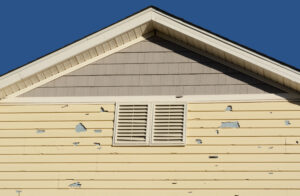
- Can dent from hail or debris
Steel siding is ideal for high-wind, high-snow, or wildfire-prone mountain areas.
Natural Wood Siding (Pros & Cons)
Wood looks great on mountain homes, but it comes with risks.
Pros:
- Classic, rustic aesthetic
- Blends beautifully with natural surroundings
Cons:
- Susceptible to moisture, rot, and insects
- Requires frequent sealing and maintenance
Wood can work in snowy regions, but only if you’re willing to stay on top of maintenance.
Siding Materials to Avoid in Snowy Climates
Some materials struggle in cold, wet environments:
- Thin or low-grade vinyl that becomes brittle
- Untreated wood siding
- Materials that absorb moisture easily
If a siding option isn’t designed for freeze–thaw conditions, it’s usually not worth the risk.
Best Siding Colors for Snowy and Mountain Regions
Color choice isn’t just aesthetic in cold climates.
Things to keep in mind:
- Darker colors absorb heat and can help with snow melt
- Lighter colors show dirt, salt, and grime more easily
- UV exposure at elevation can fade bold colors faster
Mid-tone neutrals often strike the best balance for mountain homes.
Why Hire a Licensed Professional
- Licensed & insured — protects you from liability
- Warranty coverage — manufacturers require pro installation
- Code compliance — avoids permit issues
- Faster completion — pros finish in days, not weeks
Insulation and Energy Efficiency Considerations
Siding plays a bigger role in energy efficiency than many homeowners realize.
Look for:
- Continuous insulation to reduce thermal bridging
- Higher R-values where possible
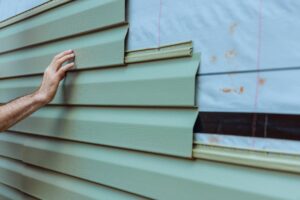
- Proper house wrap and moisture barriers behind the siding
Better insulation helps keep heating costs under control during long winters.
Installation Factors That Matter in Mountain Regions
Even the best siding can fail if it’s installed incorrectly.
Key installation details:
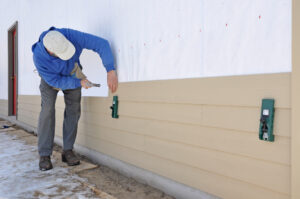
- Proper flashing around windows and doors
- Adequate spacing from the ground to prevent snow buildup
- Secure fastening for high-wind conditions
- Moisture barriers designed for cold climates
Hiring a contractor experienced with mountain installations is critical.
DIY vs. Professional: At a Glance
Siding Costs in Snowy and Mountain Areas
Cold climates often increase installation costs due to:
- Shorter installation seasons
- More complex moisture protection
- Taller or steeper homes
That said, investing in durable siding usually saves money long term by reducing repairs and replacements.
Spring and summer are the busiest seasons for home improvement projects — top-rated contractors book up fast. Lock in your estimate now before demand peaks.
Check Availability in Your Area →Maintenance Tips for Siding in Snowy Climates
To extend siding lifespan:
- Inspect siding every spring and fall
- Clear snow buildup near the foundation
- Watch for ice dams and moisture issues
- Repair small cracks or gaps early
A little maintenance goes a long way in harsh climates.
How to Choose the Right Siding for Your Mountain Home
Ask yourself:
- How severe are winters in your area?
- How much maintenance are you comfortable with?
- Is long-term durability more important than upfront cost?
- Does fire resistance matter where you live?
Balancing performance, budget, and aesthetics is the key.
Ready to Move Forward?
Tell us about your project and get matched with up to 3 pre-screened contractors. Compare quotes, check reviews, and hire with confidence.
FAQs About Siding in Snowy and Mountain Regions
What siding lasts the longest in snow?
Fiber cement and steel typically offer the longest lifespan.
Can vinyl siding crack in cold weather?
Lower-quality vinyl can. Insulated vinyl performs much better.
Is insulated siding worth it in mountain climates?
Yes, especially for reducing heat loss and improving comfort.
How often should siding be inspected?
At least once a year, ideally after winter.
Final Thoughts
Choosing the right siding for snowy and mountain regions isn’t about trends. It’s about durability. Materials that handle moisture, cold, wind, and sun exposure will protect your home longer and save you money over time.
If you live in a mountain or high-snow area and your siding is aging or struggling, getting a professional evaluation sooner rather than later can help you avoid costly surprises down the road.