
Your home’s foundation does a lot more than just hold everything up, it’s the backbone of your entire house. When something goes wrong with the foundation, it can cause a ripple effect of problems throughout your home, from cracked walls to sticking doors and uneven floors.
Many foundation problems start small and are easy to miss. Catching these early can make all the difference between a quick fix and a major repair bill. Knowing the signs of foundation issues helps you protect your home’s structure, safety, and long-term value.
Cracks in Walls, Floors or Ceilings
Not every crack in your home means disaster, but some definitely deserve a closer look. Small hairline cracks in drywall or near window corners are often just part of a house settling over time and aren’t usually a big deal. However, if those cracks start getting wider, spreading, or reappearing after you patch them, it could point to something more serious.
Horizontal cracks along basement walls or stair-step cracks in brickwork are especially concerning. These often signal foundation movement or pressure from shifting soil, which can weaken your home’s structure over time. Likewise, floor cracks that are uneven or seem to lift on one side could mean your foundation is starting to shift or sink.
When in doubt, it’s best to call a professional for an inspection. Foundation specialists can tell whether the issue is purely cosmetic or a sign of structural cracks that need attention. Catching foundation movement early is key. Repairs are much easier (and cheaper) before serious damage sets in.
Doors and Windows that Stick or Don’t Close Properly
If your doors or windows suddenly start sticking, dragging, or refusing to close all the way, your foundation might be trying to tell you something. While humidity can cause wood to swell slightly, persistent issues often point to foundation settling. As the ground beneath your home shifts, the foundation can tilt or sink unevenly. That movement throws off the alignment of door and window frames, making them warp or go out of square.
A few simple checks can help you spot early signs of trouble. If you have sticking doors, see if the gaps around the frame look uneven or if the latch no longer lines up right. You can also keep an eye out for small cracks forming near window or door corners, another common result of foundation settling.
While it might seem like a small inconvenience now, warped frames and uneven floors can become bigger structural issues if ignored. If you notice these symptoms throughout multiple rooms, it’s time to bring in a foundation expert to assess what’s going on beneath the surface.
Uneven or Sloping Floors
Have you ever dropped something on your floor and watched it roll away on its own? That might be a sign of uneven or sloping floors. A little bit of settling is normal in most homes, but if the slope feels noticeable or gets worse over time, it’s worth paying attention to.
Floors can start to sag or slope for a few different reasons. The most common culprit is foundation sinking caused by shifting soil or poor compaction beneath your home. Water damage from leaks or poor drainage around your foundation can also wash away or soften the soil, creating uneven support. In older homes, weakened joists or beams might add to the problem, making it harder to tell whether the issue is structural or surface-level.
You can do a quick test by placing a marble or small ball on the floor. If it steadily rolls in one direction, that’s a red flag. You can also use a long level or even a simple measuring tape to see if one side of a room sits noticeably lower.
If you spot sloping floors, it’s best not to ignore them. Uneven flooring can point to deeper issues like soil movement or a settling foundation, which only get worse over time. Calling in a foundation specialist early can help you figure out what’s really going on and keep your home on solid ground.
Gaps Around Doors, Windows or Cabinets
If you start noticing small gaps around doors, windows, or cabinets, don’t brush them off. They could be an early warning sign that your foundation is shifting. When your home’s foundation moves, even slightly, it can cause the walls and ceilings to pull away from built-in fixtures or trim. Those tiny separations might look harmless at first, but they’re often one of the first visible clues of foundation shifting or structural movement happening beneath the surface.
You might see gaps forming where the wall meets a door frame, window sill, or even the top of your kitchen cabinets. Sometimes, it’ll look like the caulk line is pulling apart or like one side is slightly higher than the other. These gaps often appear before major cracks do because your house is trying to “adjust” to the movement. It’s the structure’s way of relieving pressure before the real damage starts.
If you spot wall separation or uneven trim in more than one area, that’s a good time to schedule a foundation inspection. Catching these subtle shifts early can help prevent bigger issues down the line, like cracked drywall, warped framing, or misaligned doors and windows. A small gap might not seem like much, but it’s your home’s way of asking for a little attention.
Moisture or Water in the Basement or Crawl Space
Finding moisture or water in your basement or crawl space is never a good sign. A damp, musty smell or visible puddles might seem like minor annoyances, but they often point to bigger problems with your foundation. Even small cracks in your foundation walls or floor can let in water during heavy rain, increasing humidity levels and setting the stage for basement water damage or mold growth. Over time, that extra moisture can weaken your foundation and affect your home’s air quality.
Another common culprit is poor drainage around your home. When the soil gets saturated, it creates hydrostatic pressure. If your yard slopes toward your house instead of away from it, or if your gutters and downspouts aren’t doing their job, that pressure can build up and force water through even the tiniest openings.
Simple fixes like extending downspouts, regrading your yard so water flows away from the foundation, or installing a sump pump can make a huge difference. Adding foundation waterproofing measures, like sealing cracks or applying a waterproof membrane, helps keep your basement or crawl space dry year-round.
Cracked or Leaning Chimney
A cracked or leaning chimney might look like a cosmetic issue, but it’s often one of the earliest and most visible signs of foundation settlement. Because chimneys are heavy and usually built on a small, separate footing from the rest of the house, they’re especially sensitive to soil movement. If the ground beneath your home starts to shift or sink, the chimney can begin to tilt or pull away from the siding.
If you notice your chimney leaning even slightly, don’t ignore it. Over time, the tilt can worsen, putting stress on the bricks, mortar, and even your roofline. You might also spot cracks forming in the brick or mortar joints, another sign that the foundation underneath is moving. Hairline cracks are fairly common from normal wear, but larger gaps, missing mortar, or cracks that zigzag or widen near the base should raise red flags.
Those kinds of chimney cracks usually mean it’s time to call a foundation or masonry professional. They can assess whether the issue is isolated to the chimney or linked to broader foundation settlement. Addressing it early can prevent major structural damage and possibly save your chimney from a complete rebuild down the road.
Exterior Signs Around Your Home
Sometimes the easiest way to spot foundation settlement is to take a walk around the outside of your home. Your exterior can reveal a lot about what’s happening beneath the surface.
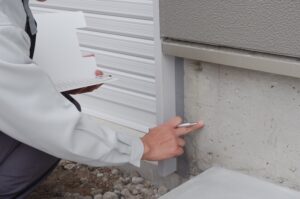
Start by checking where your home’s exterior walls meet the ground or patio. If you notice gaps, separations, or areas where the soil seems to be pulling away, it could mean the foundation has shifted or the ground underneath is settling unevenly. Those spaces allow water to collect near your foundation, which can make the problem even worse over time.
Next, take a look at your porch, deck, or concrete steps. Are they starting to tilt, crack, or pull away from the main structure? That’s a common sign of foundation settlement, especially if one side is noticeably lower than the other. Even small separations between your home and attached structures shouldn’t be ignored.
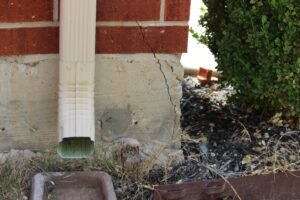
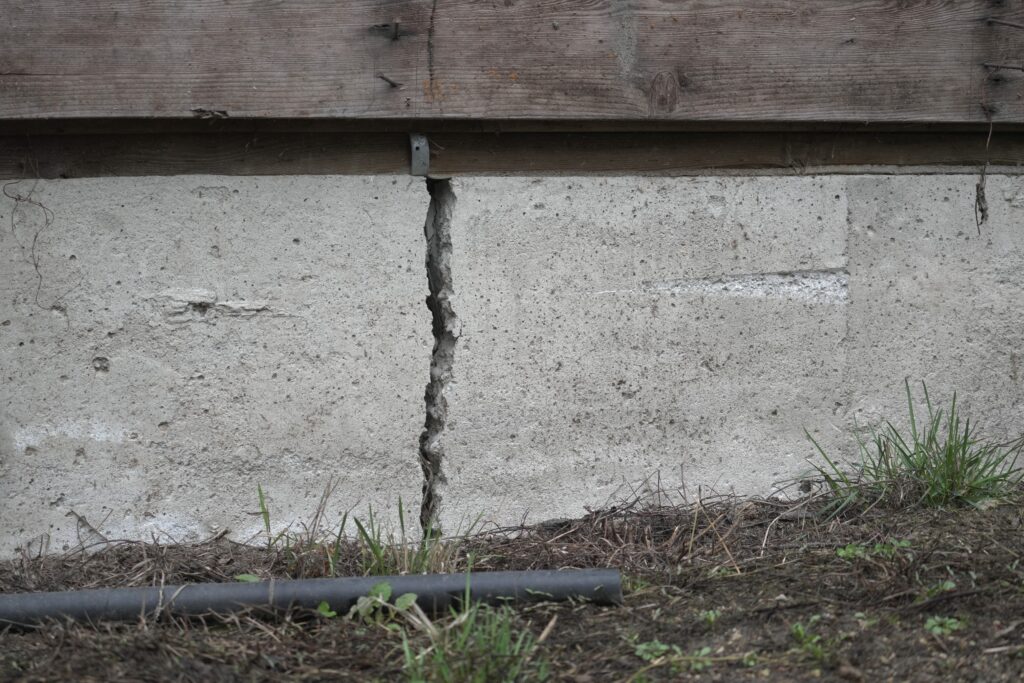
If you see exterior cracks in brick, stucco, or the foundation itself, it’s time to dig deeper. These aren’t just surface issues; they can signal that your foundation is under stress. Scheduling a home foundation inspection is the best way to find out what’s really going on and catch potential problems early.
What to Do If You Notice Foundation Issues
Foundation damage rarely fixes itself, and even small issues can get worse over time. The earlier you take action, the easier it is to handle.
The first step is to schedule a professional foundation inspection. A qualified specialist can pinpoint what’s causing the problem. They’ll check for hidden signs you might miss, like uneven load points, wall bowing, or subfloor damage, and recommend the best fix for your specific situation.
If repairs are needed, there are several reliable options. Piering (also called underpinning) involves driving steel piers deep into stable soil to lift and stabilize your home’s foundation. Slabjacking is another common method, where a special grout mixture is pumped under a concrete slab to raise it back into place. Sometimes, the solution is simpler, like improving drainage or sealing minor cracks to prevent future movement.
Staying proactive with home foundation maintenance can help you avoid major repairs down the road. Remember, a solid foundation means a solid home, so if you notice warning signs, it’s worth getting a foundation repair expert to take a look before the problem grows.
Conclusion
Your home’s foundation might not be something you think about every day, but it’s one of the most important parts of keeping your house safe and stable. Cracks in walls, sticking doors, sloping floors, or gaps around windows are all red flags. Catching them early can save you from major repairs later and help prevent foundation damage before it gets out of hand.
Make it a habit to do quick foundation maintenance checks a few times a year. Walk around your home, look for new cracks, inspect the basement after heavy rain, and note any changes in how doors or windows fit. If something feels off, it’s better to get a foundation inspection sooner rather than later.
Think you’ve spotted signs of foundation trouble? Get a professional evaluation today to protect your home’s structure and long-term value. A little attention now can go a long way toward keeping your home solid and stress-free for years to come.

Anna has over six years of experience in the home services and journalism industries and serves as the Content Manager at MyHomePros.com, specializing in making complex home improvement topics like HVAC, roofing, and plumbing accessible to all. With a bachelor’s degree in journalism from Auburn University, she excels in crafting localized, comprehensive guides that cater to homeowners’ unique needs. Living on both coasts of the United States has equipped her with a distinctive perspective, fueling her passion for turning any house into a cherished home through informed, personalized decision-making.
Connect with top-rated local contractors who can help you with siding, roofing, HVAC, windows, and more. Get free quotes from verified professionals in your area today.