
Foundation problems can feel overwhelming, but most issues are fixable when caught early. Your foundation supports your entire home, so understanding repair costs helps you budget wisely and protect your biggest investment.
Several factors determine what you will pay. The type and severity of damage matter most, but your foundation type, home size, location, and repair method all play important roles. A small crack might cost a few hundred dollars to seal, while major structural work can reach $30,000 or more.
This guide covers average costs, repair methods, warning signs, insurance coverage, money saving strategies, and preventive maintenance so you can make informed decisions about your home’s foundation issues.
Average Foundation Repair Cost in 2025
Knowing typical foundation repair costs helps you quickly gauge whether a quote is reasonable. National averages, common price ranges, and regional differences give you a realistic idea of what your project may cost before you deal with contractors for project estimates.
Foundation repair costs average around $5,168 nationally, with most homeowners paying between $2,224 and $8,125. The cost per square foot typically ranges from $1.50 to $12, covering everything from basic crack sealing to major structural reinforcement.
Location significantly affects pricing. Some cities have much higher labor costs and stricter building codes, which raises overall project costs. Urban areas and regions with challenging soil conditions often fall on the higher end of the range.
Minor Repairs vs. Major Repairs
Minor repairs, such as sealing hairline cracks caught early, might cost $200 to $800. Waiting until cracks widen and begin to affect the structure can push repairs into the $10,000 to $15,000 range or more.
Minor repairs usually address cosmetic or early stage issues, such as:
- Sealing small cracks
- Patching minor leaks
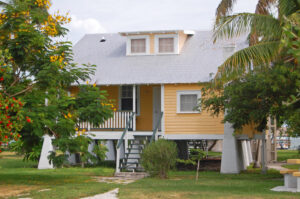
- Adjusting or reinforcing supports in pier and beam homes
Major repairs involve structural work, such as:
- Installing support piers
- Leveling a settled foundation
- Reinforcing bowing or leaning walls
Typical Cost Ranges by Repair Type
Here are common foundation repair projects and typical price ranges:
| Repair Type | Typical Cost Range |
| Crack repair | $200 to $1,500 |
| Minor interior waterproofing | $2,000 to $6,000 |
| Foundation leveling | $500 to $7,000 |
| Wall anchors or braces | $4,000 to $12,000 |
| Piering or underpinning | $8,000 to $30,000 |
| Major exterior waterproofing | $8,000 to $15,000 |
| Pier replacement | $1,000 to $3,000 per pier |
Foundation Repair Costs by Foundation Type
Slab, crawl space, and basement foundations each fail in different ways and come with their own repair price ranges. Understanding how your specific foundation type affects costs helps you anticipate likely repair methods and avoid surprises in your estimates.
Slab Foundations
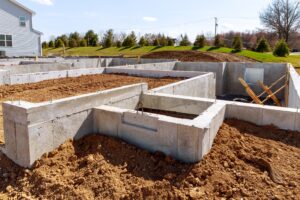
Slab foundations are common in warmer climates and areas with high water tables. They are often easier and less expensive to repair than basements.
- Typical total repair cost: $2,000 to $12,000
- Minor crack repairs or small voids: $500 to $2,000 (often using epoxy injection or slabjacking)
- More serious settlement requiring piers or underpinning: $1,000 to $10,000 or more, depending on how many piers are needed and the severity of damage
Basement Foundations
Basement foundations are the most complex and expensive to repair because they are vulnerable to water intrusion, structural shifting, and pest issues.
- Typical total repair cost: $3,000 to $25,000 or more
Common basement repairs include:
- Crack injection: $300 to $1,500
- Interior waterproofing: $3,000 to $7,000
- Wall stabilization: $4,000 to $12,000
- Underpinning or extensive structural work: $10,000 to $30,000
Crawl Space Foundations
Crawl space foundations tend to cost less to repair because they are generally easier to access.
- Typical total repair cost: $1,000 to $15,000
Common crawl space repairs include:
- Vapor barrier installation: $2,000 to $4,000
- Structural support reinforcement: $1,500 to $6,000
- Moisture control systems: $2,000 to $8,000
- Full encapsulation: $3,000 to $8,000
Common Foundation Repair Methods and Costs
Cracked walls, sinking slabs, and wet basements are solved with different tools and techniques, each with its own price tag. Learning how common repair methods work and what they usually cost makes it easier to understand contractor proposals and choose the right solution.
Crack Repair (Epoxy and Polyurethane Injections)
Small, nonstructural cracks typically cost $200 to $800 to repair. Larger or multiple cracks can run $1,000 to $2,500.
- Epoxy injections create a rigid bond that can be stronger than the surrounding concrete. They work best on dry, stable cracks where movement is no longer occurring.
- Polyurethane injections are better for active leaks and areas that may still move slightly. The material expands, fills voids, and stays flexible.
Professional injection costs usually fall between $300 and $1,500, depending on crack length and accessibility.
Piering and Underpinning
Underpinning stabilizes and supports foundations that have significantly settled or shifted.
- Typical total cost: $15,000 to $50,000
- Cost per pier: usually $1,400 to $3,500
- Average number of piers: around 10 for a typical home
Common pier types include:
- Steel push piers that reach bedrock for maximum support, ideal in areas with expansive clay soils.
- Helical piers that are screwed into the ground, often used where bedrock is very deep or soil conditions require a different approach.
Foundation Leveling (Mudjacking and Slabjacking)
Slabjacking involves pumping a grout mixture into voids beneath a slab to raise it back to its original level.
- Typical cost: $500 to $1,300
This method works best when settlement results from poorly compacted soil rather than ongoing soil movement. The mixture fills empty spaces, lifts the slab, and stabilizes the foundation. In many cases, repairs take one to two days, and the slab can often bear weight within about 24 hours.
Wall Anchors and Braces
Wall stabilization is used to correct or halt bowing foundation walls.
Typical solutions include:
- Carbon fiber straps for minor to moderate bowing. These low profile strips are epoxied to walls to prevent further movement.
- Steel I beams for more serious movement. They brace the wall and, over time, can gradually straighten it.
- Wall anchors that extend through the wall into stable soil outside, anchoring the wall and pulling it back toward plumb.
A set of 12 carbon fiber straps or anchors typically costs $5,000 to $12,000. In extreme cases, adding excavation and drainage work can push the total above $20,000.
Waterproofing and Drainage Solutions
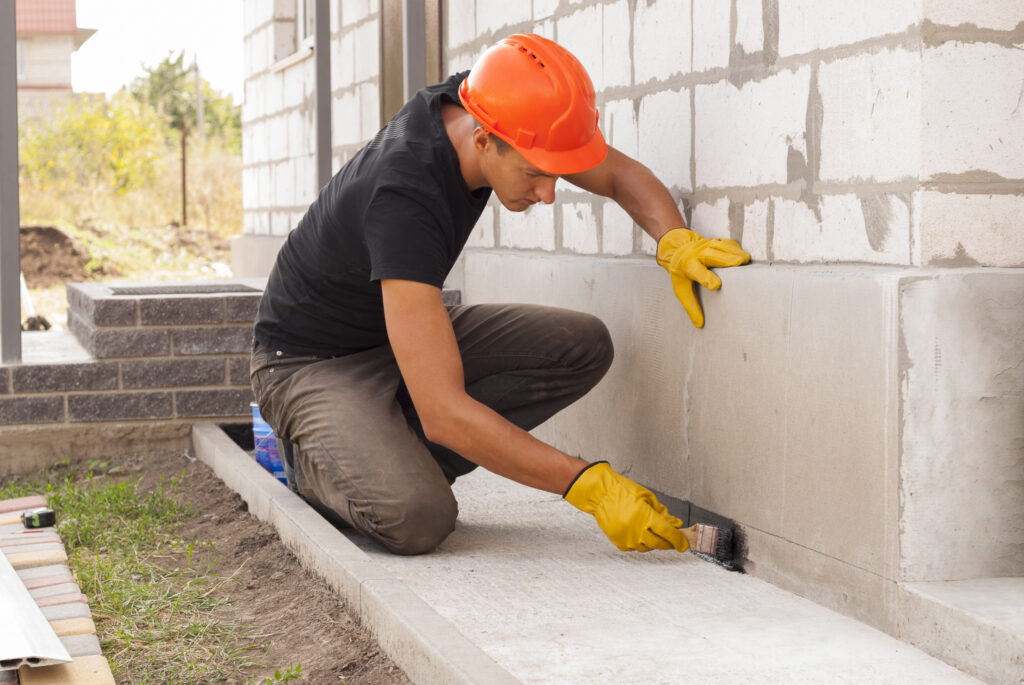
Interior and exterior waterproofing protect foundations from water damage and hydrostatic pressure.
Interior waterproofing typically includes:
- Perimeter drainage channels under the floor: about $30 to $50 per linear foot
- Sump pump installation: $1,000 to $2,500
- Interior sealants: $1 to $3 per square foot
- Dehumidifiers for damp basements: $200 to $500
Interior systems often cost $4,500 to $10,000 in total.
Exterior waterproofing usually costs $10,000 to $15,000 and involves:
- Excavating around the exterior of the foundation
- Applying waterproof membranes or coatings
- Installing exterior drainage systems such as French drains
Exterior French drains themselves can cost $10 to $100 per linear foot, depending on depth, access, and soil conditions.
Key Factors That Affect Foundation Repair Cost
Two homes with similar damage can receive very different repair quotes. Damage severity, soil conditions, access, home size, and local labor rates all influence the final price. Recognizing these factors helps explain your estimate and shows where you may have room to control costs.
Type and Severity of Damage
Catching foundation problems early usually means simpler and less expensive repairs. A hairline crack might cost $200 to $800 to seal. If you wait until that crack widens and causes structural issues, repairs can climb into the $10,000 to $15,000 range or higher.
General guidelines:
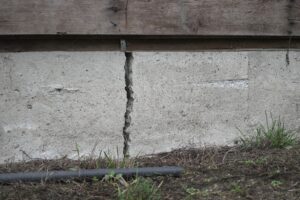
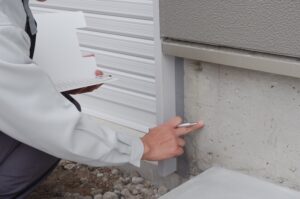
- Surface cracks narrower than 1/8 inch often cost a few hundred dollars to seal.
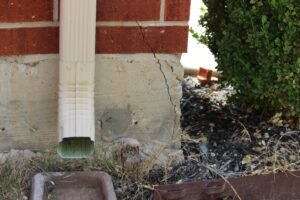
- Cracks wider than 1/4 inch, horizontal cracks, or cracks that continue to grow indicate structural problems. These usually require a professional assessment and more extensive repairs that can cost thousands of dollars.
Foundation Type and Accessibility
Foundation size and design directly affect repair cost. Larger homes tend to have larger, heavier foundations that require more materials and equipment to fix.
Access makes a big difference as well. Crews may need special equipment or more manual labor if:
- There is mature landscaping to work around
- Homes sit close together with tight spaces
- Heavy equipment cannot reach the problem area
These complications add time and cost.
Soil and Site Conditions
Soil expands, contracts, and shifts over time. Some soil types are much more stable than others. Expansive clay soils that swell when wet and shrink when dry create ongoing stress on the foundation.
In some cases, you may need a professional soil report to understand the root cause of your foundation damage. These reports often cost $500 to $3,000 and help engineers and contractors design the most effective repair.
Home Size, Location, and Labor
Larger homes with complex foundations are more expensive to repair. For example:
- A 1,200 square foot home might need $15,000 in underpinning.
- A 3,000 square foot home with similar issues could cost $35,000 to $45,000.
Labor costs also reflect regional differences. In high cost areas, specialized foundation contractors may charge $75 to $150 or more per hour, compared to $50 to $80 per hour in lower cost regions. Some cities require structural reports and permits for most major foundation repairs, which adds expense.
A structural engineer’s report typically costs $300 to $1,000 and may be required before major work begins.
Warning Signs That You Need Foundation Repair
Subtle changes in how your home looks and feels often appear long before serious structural problems. Cracks, sticking doors, uneven floors, and moisture issues can all point to foundation trouble. Learning the most important warning signs helps you act before repairs become more invasive and expensive.
Visible Cracks
Certain crack patterns are more concerning than others:
- Horizontal cracks or stair step cracks in masonry walls can signal significant pressure or movement.
- Large vertical cracks can also indicate serious settlement.
- Diagonal cracks that widen over time suggest ongoing movement.
Generally, cracks wider than 1/8 inch deserve attention. Multiple cracks in different areas can indicate a widespread issue rather than a small isolated problem.
Doors, Windows, and Floors Out of Alignment
Pay attention if:
- Interior or exterior doors stick, scrape the floor, or no longer latch correctly
- Windows suddenly become hard to open or close
- Floors feel sloped, uneven, or bouncy
These changes can indicate foundation movement or failing supports under the home.
Gaps, Separation, and Sagging
Look for:
- Gaps around exterior doors and window frames
- Double doors that no longer align
- Gaps between walls and ceilings or between floors and baseboards
- A leaning or cracked chimney
These can all be signs that the foundation or supporting soil has shifted. Ignoring them can lead to drafts, water intrusion, and further structural instability.
Water Intrusion and Musty Odors
Excess moisture often goes hand in hand with foundation problems. Warning signs include:
- Water pooling near the foundation after rain
- Damp or musty smells in basements or crawl spaces
- White, powdery deposits (efflorescence) on basement walls
Efflorescence itself is not harmful, but it indicates that water is moving through the concrete and needs to be addressed.
How to Get Accurate Foundation Repair Estimates
Accurate estimates start with a thorough inspection and clear scope of work. Combining an objective structural evaluation with multiple quotes from qualified contractors gives you confidence in both the diagnosis and the price. A thoughtful approach here reduces the risk of overspending or choosing the wrong remedy for addressing the underlying issue.
Schedule Professional Inspections
Foundation inspections typically cost between $300 and $3,000, with an average around $600. Two main types of professionals perform these inspections:
- Structural engineers offer independent evaluations and are often recommended for major or complex issues.
- Foundation repair specialists usually provide free inspections, but they work for companies that sell and perform repairs.
For significant concerns, starting with an independent structural engineer gives you the most objective assessment. You can then use the engineer’s report when comparing contractor estimates.
Compare Multiple Quotes
Get at least 3 to 5 written estimates from reputable companies. When comparing them:
- Do not automatically choose the lowest price.
- Review the scope of work, materials, warranty, and timeline.
- Confirm that each estimate covers similar tasks so you can compare apples to apples.
Ask questions about anything that is unclear. One contractor’s higher bid may include waterproofing or drainage improvements that another has left out.
Questions to Ask Before Hiring
Before you commit to a foundation repair contractor, ask:
- How long have you been in business?
- Are you licensed and insured?
- What experience do you have with my specific issue and soil type?
- What warranty do you offer, and is it transferable if I sell the home?
- What is the expected timeline for this project?
- Will you obtain necessary permits and handle inspections?
- Can you provide references from recent similar projects?
Call references and ask whether the work solved their problem and if they would hire the company again.
Does Homeowners Insurance Cover Foundation Repair?
Coverage depends on the cause of the damage and whether it ties back to a covered peril or to routine wear and tear. A basic understanding of how policies treat foundation problems prepares you before you call your insurer.
When Damage Is Typically Covered
Homeowners insurance may cover foundation damage if it is caused by a sudden, accidental event that is specifically listed as a covered peril in your policy. These perils often include:
- Fire or lightning
- Windstorm or hail
- Vehicle or aircraft impact
- Falling objects
- Weight of ice or snow
- Accidental water discharge from plumbing or appliances
For example, if a tree falls on your home during a windstorm and cracks the foundation, repairs are more likely to be covered. The key is that the damage came from a one time event, not long term wear.
What Is Usually Excluded
Most foundation problems are caused by gradual changes and are treated as maintenance issues, which are not covered. Common exclusions include damage from:
- Normal settling or shifting of soil
- Expansion and contraction of clay soils
- Poor drainage or chronic moisture problems
- Poor construction or lack of maintenance
- Tree root growth
Standard policies also exclude damage from floods and earthquakes. These perils require separate flood or earthquake insurance policies.
How to File a Foundation Claim
If you believe your foundation damage might be covered:
- Review your policy or contact your insurance agent to confirm what is included.
- Take clear photos of all damage, including foundation cracks, interior wall damage, and any affected structural elements.
- Document dates, events, and any related incidents, such as storms or burst pipes.
- Contact your insurer to open a claim and follow their instructions for inspections and paperwork.
Be prepared for the possibility of denial if the damage does not meet coverage criteria.
Ways to Save on Foundation Repair
Foundation repairs can be a major expense, but smart planning can keep the bill under control.
Address Issues Early
The simplest way to save money is to act quickly. A hairline crack that costs $200 to $800 to seal today can become a major structural issue that costs $10,000 to $15,000 or more if you wait.
Make it a habit to walk around your home several times a year to look for:
- New or growing cracks
- Standing water near the foundation
- Changes in doors, windows, or floors
Early detection keeps costs down.
Improve Drainage and Prevent Future Damage
Good drainage protects your foundation from excess moisture and pressure.
- Yard grading: Regrading a yard to slope away from the home typically costs $500 to $3,000.
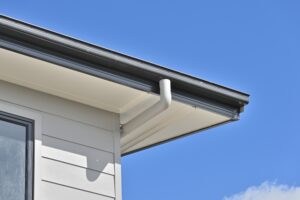
- Gutters and downspouts: Clean gutters at least seasonally, repair leaks, and be sure downspouts extend 5 to 10 feet from the foundation.
- Landscape planning: Avoid water intensive plants close to the house and direct sprinklers away from the foundation.
These relatively small investments can prevent much more expensive repairs later.
Bundle Waterproofing With Structural Repairs
If you need both structural work and waterproofing, ask about doing them together. When contractors already have equipment on site and excavation completed, you can often avoid paying twice for the same labor and setup.
Even if there is no official discount, completing both tasks during one project usually provides meaningful savings and better long term protection.
Consider Payment Plans and Financing
Many foundation repair companies offer financing, and some partner with third party lenders. Before signing:
- Compare interest rates and terms with your bank or credit union.
- Consider a home equity loan or line of credit if you have sufficient equity and good credit, since these often have lower rates than contractor financing.
Make sure monthly payments fit comfortably within your budget.
DIY Foundation Repair: When It Is Safe and When It Is Not
Some small cosmetic cracks can be handled with simple repair kits, while deeper structural issues require professional help.
Minor Crack Repairs Only
Some very small cracks can be safe for do it yourself repairs:
- Hairline vertical cracks narrower than 1/8 inch
- Cracks that are not actively leaking water
- Cracks that have not changed in size over time
DIY crack repair kits usually cost $50 to $150 and often use expanding polyurethane foam, which fills the crack and blocks water.
However, even minor cracks can be symptoms of larger issues. If you are unsure, consult a foundation professional before you begin.
Never DIY Structural Work
Structural repairs should always be handled by professionals. Do not attempt:
- Piering or underpinning
- Major foundation leveling
- Wall stabilization
- Extensive crack repair or rebuilding sections of foundation walls
These projects require engineering, specialized equipment, and experience. Mistakes can severely damage your home and cost much more to correct.
When to Call a Professional Immediately
Call a foundation professional right away if you notice:
- Cracks wider than 1/4 inch
- Cracks that continue to lengthen or widen
- Horizontal or stair step cracks in block or brick walls
- Significant bowing or leaning walls
- Doors or windows that suddenly go out of alignment across multiple rooms
Foundation Maintenance to Prevent Costly Repairs
Good maintenance keeps soil, water, and structure working together instead of against each other. Consistent moisture management, proper grading, working gutters, and periodic inspections all relieve stress on your foundation and greatly reduce the chances of needing major repairs later.
Manage Soil Moisture
Keeping the soil around your foundation at a relatively consistent moisture level reduces expansion and contraction cycles.
- During dry periods, use a soaker hose placed about 18 inches from the foundation and run it for 15 to 30 minutes a few times a week.
- Avoid overwatering and do not let sprinklers spray directly on the foundation walls.
- Keep thirsty plants and large trees a safe distance from the home.
Maintain Drainage, Gutters, and Grading
Proper drainage is one of the most important safeguards for your foundation:
- Clean gutters at least twice a year or more often if trees drop leaves on your roof.
- Install or extend downspouts so water discharges well away from the foundation.
- Ensure the soil slopes away from the house by about 6 inches over the first 10 feet.
- Add soil where you see low spots that collect water.
Schedule Routine Inspections
Combine professional and self inspections for the best protection:
- Have a professional foundation inspection every 3 to 5 years, or more frequently in high risk regions.
- Conduct your own seasonal inspections, noting cracks, water issues, settlement signs, and changes in doors and windows.
- Take photos and jot down dates so you can track changes over time.
The Bottom Line
Foundation repairs average about $5,168 nationally, with most homeowners paying between $2,224 and $8,125. Your actual cost depends on damage severity, foundation type, home size, location, and chosen repair method. Minor crack sealing might cost $200 to $800, while major structural work can reach $15,000 to $30,000 or more.
The most important factor in controlling costs is addressing problems early. Small cracks that cost hundreds to seal today can become major issues requiring tens of thousands of dollars tomorrow. Foundation problems rarely improve on their own and almost always worsen over time.
Regular maintenance goes a long way. Keep gutters clean, maintain good drainage and grading, manage soil moisture, and perform seasonal inspections. These simple steps help protect your foundation and can save you thousands in future repairs.
If you have noticed cracks, sticking doors, uneven floors, or water intrusion, schedule professional inspections now.
Get at least three quotes from reputable local companies, compare their assessments and pricing, and verify licenses, insurance, and references before choosing a contractor.

Anna has over six years of experience in the home services and journalism industries and serves as the Content Manager at MyHomePros.com, specializing in making complex home improvement topics like HVAC, roofing, and plumbing accessible to all. With a bachelor’s degree in journalism from Auburn University, she excels in crafting localized, comprehensive guides that cater to homeowners’ unique needs. Living on both coasts of the United States has equipped her with a distinctive perspective, fueling her passion for turning any house into a cherished home through informed, personalized decision-making.
Connect with top-rated local contractors who can help you with siding, roofing, HVAC, windows, and more. Get free quotes from verified professionals in your area today.