

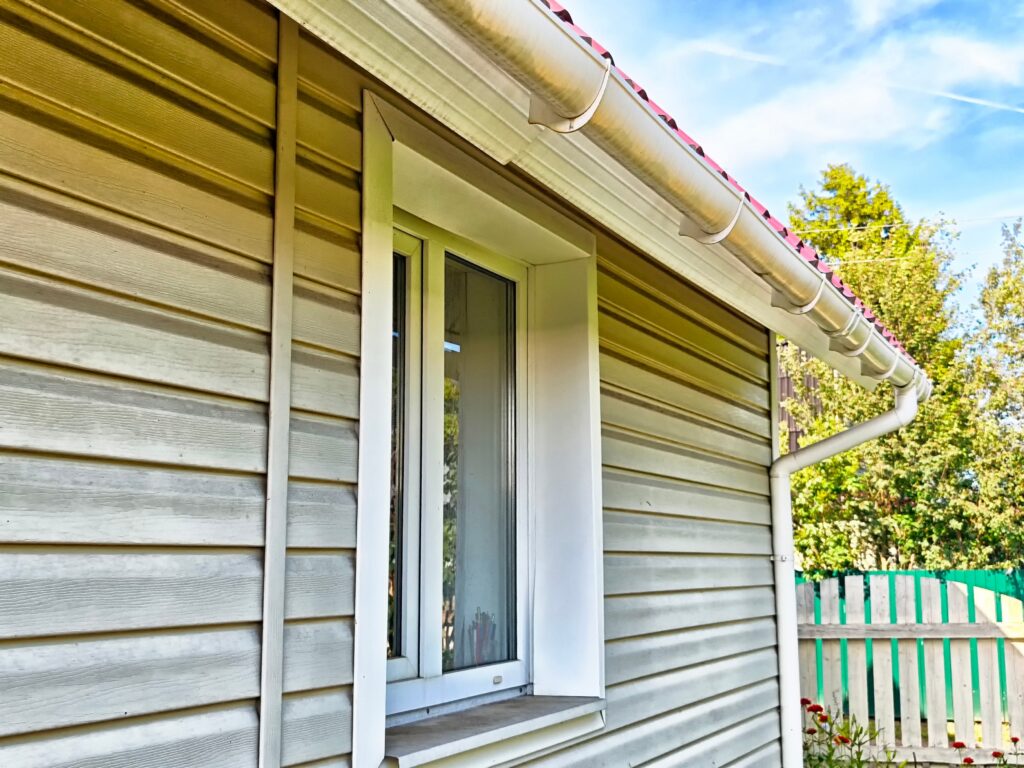
A single hailstorm can shred vinyl panels in minutes. A fallen tree limb can punch through fiber cement like cardboard. When the damage is done, the first call most homeowners make is to their insurance company. But whether that call leads to a check depends entirely on what caused the damage, what your policy actually says, and how you handle the claim from start to finish.
The property insurance market has fundamentally shifted. Due to unprecedented underwriting losses, carriers are aggressively tightening their guidelines, auditing properties remotely, and passing higher out-of-pocket costs to consumers. The difference between a fully covered replacement and a flat-out denial often comes down to a single word in your policy or a pre-storm data point you didn’t even know existed. This guide breaks down exactly what qualifies, what gets rejected, and how to navigate the modern insurance landscape so you collect every dollar you’re owed.
Does Homeowners Insurance Cover Siding Damage?
Standard homeowners insurance covers siding damage caused by sudden, accidental events listed as covered perils in your policy. Most dwelling coverage policies will pay to repair or replace siding that has been damaged by a covered peril, up to your policy limits and minus your deductible.
Coverage typically falls under the dwelling protection portion of your policy (often called Coverage A). This protects your roof, walls, foundation, and other structural components. If a storm rips panels off your house or a fire melts your vinyl siding, the repair costs generally qualify for reimbursement. However, understanding the signs that siding needs attention before a storm hits can help you avoid claim disputes later.
Crucially, the ongoing volatility in the insurance sector means that insurers are auditing older policies more strictly. There is an essential distinction between policies that pay replacement cost value (RCV) and those that pay actual cash value (ACV), which directly dictates your total payout amount.
What Types of Siding Damage Does Insurance Cover?
Insurance typically covers siding damage from sudden, unexpected events like windstorms, hail, fire, falling trees, and vandalism.
The most common covered scenarios involve severe weather. According to classic data from the Insurance Information Institute, wind and hail account for a massive share of homeowners insurance losses. This reality has only intensified; the latest Swiss Re Sigma Report notes that severe convective storms (SCS)—which include violent localized windstorms and devastating hail — surpassed $50 billion in annual insured losses for three consecutive years. This makes localized storm activity the leading driver of residential property damage claims.
Actual costs depend on your location, project scope, and materials. The best way to know what you'll pay is to get quotes from local contractors.
Get Your Free Estimate →Covered Perils Breakdown
Wind Damage
Strong gusts can crack, buckle, or completely tear siding panels from a home. Wind-driven debris can also puncture or gouge siding surfaces. Most standard policies list windstorm as a named peril.
Hail Damage
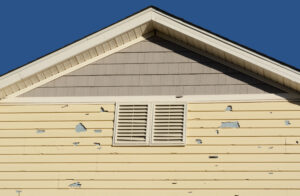
Hailstones can chip, crack, or dent virtually every siding material. Vinyl is especially vulnerable to cracking in cold temperatures when hail strikes, while aluminum siding tends to dent. If you notice siding problems after a storm, document them immediately.
Fire and Smoke Damage
Fires can melt vinyl siding, scorch wood panels, and cause structural damage behind the cladding. Smoke discoloration on siding is also typically covered. Homeowners in wildfire-prone areas may want to consider fire-resistant siding materials as a preventive measure.
Falling Objects and Tree Damage
A tree branch crashing into your exterior wall during a storm is a covered peril under most policies. This extends to other falling objects, including debris from neighboring properties.
Vandalism and Vehicle Impact
Intentional damage to siding from vandalism, such as someone breaking panels or spray-painting your exterior, is generally covered. Similarly, if a vehicle strikes the side of your home or debris falls from an aircraft, the resulting siding damage qualifies for a claim.
What Siding Damage Is Not Covered by Insurance?
Insurance will not cover siding damage caused by normal aging, neglected maintenance, pest infestations, or flooding from rising water. Understanding what falls outside your coverage is just as important as knowing what’s included. These are the most common reasons insurers deny siding claims.
Normal Wear and Tear
Fading, warping, cracking, and general deterioration from years of sun and weather exposure are considered maintenance issues. Insurers classify this as the homeowner’s responsibility, not an insurable event. Knowing how long vinyl siding typically lasts helps you plan replacement timelines before aging becomes a claim liability.
Deferred Maintenance
If small cracks, loose panels, or minor water intrusion are left unrepaired and eventually cause larger problems, insurers can deny the claim. They view this as preventable damage that the homeowner neglected. Keeping up with routine repairs is essential for both the longevity of your siding and the strength of future insurance claims.
Pest, Animal, and Flood Damage
Termite damage, woodpecker holes, and rodent gnawing are typically excluded from standard policies because insurers consider pest control a maintenance responsibility. Furthermore, water damage from rising floodwaters requires a separate flood insurance policy through the National Flood Insurance Program (NFIP) or a private carrier. Standard homeowners insurance does not cover flood-related siding damage.
Pre-Existing Damage
Damage that existed before you purchased the policy or before the covered event occurred will not be reimbursed. Adjusters are explicitly trained to distinguish between old and new damage during inspections.
Important: If your insurer determines that storm damage was worsened by pre-existing neglect, they may reduce or deny the claim entirely. Document the condition of your siding annually with dated photos to establish a clear maintenance record.
"We matched with a great contractor the same day. The whole process was easy and completely free."
The Invisible Eye: Drone and AI-Driven Underwriting
Homeowners often assume that an insurance adjuster’s first look at their siding happens after a storm. That is no longer the case. Major carriers extensively deploy high-resolution satellite imagery, flyover drones, and predictive AI risk-scoring software to continuously monitor the exterior health of your home.
If an insurer’s automated aerial sweep captures unaddressed siding warping, loose panels, or severe UV degradation prior to a severe storm, that data is logged instantly into your profile. When you later file a claim for hail or wind damage, the carrier’s AI can cross-reference the historical imagery and flag the area as “pre-existing neglect” — giving them immediate leverage to reduce or deny your payout. Staying ahead of minor repairs is no longer just cosmetic; it is a structural necessity to protect your policy coverage.
How Does Replacement Cost vs. Actual Cash Value Affect Siding Claims?
This distinction is one of the most consequential details in your homeowners policy. It directly determines how large your out-of-pocket gap will be after a siding claim.
Replacement Cost Value (RCV) pays the current cost to replace your damaged siding with materials of similar kind and quality. There is no deduction for the age or condition of your existing siding. If your 15-year-old vinyl siding is destroyed by hail, the insurer pays what it costs to install new vinyl siding at current market rates, minus your deductible.
Actual Cash Value (ACV) pays only the depreciated value of your siding at the time of the loss. The insurer calculates what your siding was worth given its age, condition, and remaining useful life, then subtracts that depreciation from the baseline replacement cost. For older siding, this gap can be devastating to a homeowner’s budget.
RCV vs. ACV Quick Comparison
| Factor | Replacement Cost Value (RCV) | Actual Cash Value (ACV) |
| Depreciation deducted | No | Yes |
| Typical payout | Higher | Lower |
| Premium cost | Higher | Lower |
| Best for | Newer and mid-age siding | Budget-conscious homeowners |
| Out-of-pocket gap | Minimal (deductible only) | Can be substantial |
For example, replacing the siding on one compromised exterior wall of a 2,000-square-foot home might cost $5,000 to $8,000 in materials and labor. With an RCV policy, the insurer covers that full amount minus your deductible. With an ACV policy on 20-year-old siding, the insurer might subtract 50% or more for depreciation, leaving you responsible for $2,500 to $4,000 on top of your standard deductible.
Why Hire a Licensed Professional
- Licensed & insured — protects you from liability
- Warranty coverage — manufacturers require pro installation
- Code compliance — avoids permit issues
- Faster completion — pros finish in days, not weeks
The “Silent” ACV Transition Alert
Do not assume your policy coverage stays the same year after year. To mitigate their exposure to escalating climate risks, many property insurance companies are implementing mandatory ACV endorsements at renewal. These switch homeowners from RCV to ACV automatically for roofs and exterior siding that exceed a specific age threshold (typically 10 to 15 years). Review your policy’s declarations page annually to ensure your carrier hasn’t quietly adjusted your property protection parameters.
What Is Matching Siding Coverage and Do You Need It?
Matching siding coverage is an optional endorsement that pays to replace undamaged siding so your entire home maintains a uniform, seamless appearance after repairs.
Standard policies typically only pay to repair or replace the sections of siding that were directly impacted by a peril. This creates an incredibly common frustration. If your original siding color, profile, or manufacturer has been discontinued, the new panels will not match the weathered, existing ones. You could end up with one side of your house looking noticeably mismatched.
A matching siding endorsement (sometimes called a “matching undamaged siding” rider) addresses this by paying to replace undamaged sections as well, ensuring a cohesive look. Some insurers cap this coverage at a specific dollar threshold, such as $20,000, while others tie it to a percentage of your overall dwelling coverage.
DIY vs. Professional: At a Glance
The Evolving Legal Battleground for “Line of Sight”
State regulations play a massive role in whether an insurer is forced to pay for a full aesthetic match. Some states, including Ohio and Kentucky, have long-standing regulations requiring insurers to replace undamaged materials when a reasonable match proves impossible.
However, this issue remains a major legal battleground. While some consumer advocates actively push to expand “line-of-sight” rules — which argue that any mismatch visible to the naked eye from a normal vantage point constitutes a loss — carriers fight back to restrict their exposure. For instance, high-profile legislative updates, such as Missouri’s proposed House Bill 908, spotlight the intense ongoing debate over forcing carriers to pay for total structure uniform conformity when an exact match is unavailable. If you live in a state without explicit matching laws, an optional endorsement is your only guaranteed safety net. If you’re considering a full replacement anyway, understanding what siding replacement costs can help you evaluate whether an added premium makes financial sense.
How Do You File a Siding Insurance Claim?
The claims process follows a fairly standard sequence, but executing each step proactively puts you in a much stronger negotiating position.
1. Document the Damage Thoroughly
Take high-resolution photos and video of all affected areas from multiple angles before doing any cleanup or minor temporary repairs. Capture close-up shots of cracks, dents, missing panels, and any exposed sheathing or moisture barriers. If the damage was storm-related, photograph physical evidence of the event itself, such as hailstones on the ground or fallen branches.
2. Notify Your Insurance Company Promptly
Contact your insurer as soon as possible after discovering the damage. Most policies require “prompt” or “timely” notification, and unnecessary delays can cause a carrier to view the damage as a long-term maintenance issue rather than an acute peril. Provide a clear, objective description of the event.
3. Get Independent Contractor Estimates
Before the insurance adjuster arrives, have at least two licensed siding contractors inspect the damage and provide comprehensive, written estimates. These estimates serve as an independent benchmark to compare against the adjuster’s assessment. Homeowners who have negotiated the roof insurance claim process will recognize many of the same adjuster tactics and timelines.
4. Meet the Adjuster On-Site
When the insurance company sends their claims adjuster, make sure you or your trusted contractor are present during the inspection. Walk them through every damaged zone and point out underlying structural issues they might miss. Review the subsequent settlement offer line by line against your independent contractor’s report. If there is a massive discrepancy, you can request a formal reinspection or consult a public adjuster.
Spring and summer are the busiest seasons for home improvement projects — top-rated contractors book up fast. Lock in your estimate now before demand peaks.
Check Availability in Your Area →How Much Does Siding Replacement Cost Without Insurance?
Full siding replacement on a typical home costs between $8,000 and $30,000, depending on the material, home size, and project complexity. If your claim is denied or the damage falls completely below your deductible, you’ll need to evaluate your out-of-pocket landscape.
Cost Breakdown by Siding Material
| Siding Material | Cost Per Square Foot (Installed) | Estimated Cost for 2,000 Sq Ft Home |
| Vinyl | $4 to $12 | $8,000 to $24,000 |
| Aluminum | $6 to $10 | $12,000 to $20,000 |
| Fiber Cement | $6 to $13 | $12,000 to $26,000 |
| Wood (Cedar) | $6 to $16 | $12,000 to $32,000 |
| Engineered Wood | $7 to $12 | $14,000 to $24,000 |
Labor accounts for roughly $1 to $4 per square foot on top of baseline material costs, and removing old siding adds another $0.70 to $2.00 per square foot. Ongoing labor shortages and material supply constraints mean final quotes frequently sit at the higher end of these historical brackets. When evaluating a partial fix versus full replacement, reviewing the nuances of siding replacement and repair is highly recommended.
Additional structural expenses can include house wrap installation ($0.50 to $1 per square foot), new trim, fascia, and essential remediation to underlying sheathing if moisture or mold is present behind exterior walls.
Ready to Move Forward?
Tell us about your project and get matched with up to 3 pre-screened contractors. Compare quotes, check reviews, and hire with confidence.
Should You File a Claim or Pay Out of Pocket?
Not every instance of siding damage warrants an insurance claim. Filing a claim goes directly onto your permanent Comprehensive Loss Underwriting Exchange (CLUE) record. Multiple property claims within a short window can trigger substantial premium increases or even policy nonrenewal.
The Claim Intent Scorecard
Because macro insurance costs have driven deductibles up substantially across the United States, minor cosmetic damage rarely clears the financial threshold required for an active claim. Use this quick scorecard to evaluate your next move:
-
The 3X Rule: Is the total independent contractor repair estimate at least three times the price of your deductible? If your deductible is $2,500 and the repair is $3,500, paying out of pocket avoids a long-term premium hike.
-
Structural Compromise: Is there exposed sheathing, active water intrusion, or structural failure behind the siding? True structural peril warrants an immediate claim.
-
The “Line of Sight” Count: Are multiple exterior walls affected, or is it isolated to an inconspicuous area? Mismatched siding on a front-facing wall dramatically degrades home equity, making a matching coverage claim much more valuable.
-
Recent Claim History: Have you filed a homeowners claim in the past three years? If yes, a second minor claim risks nonrenewal by your carrier.
Before making your final choice, always review independent contractor estimates. If you believe your carrier has unfairly or deceptively handled your case, the National Association of Insurance Commissioners provides specialized consumer protection resources to file an official complaint. Proactively taking steps to prepare your home for severe storms is ultimately your most effective defense against dealing with adjusters altogether.
The Bottom Line
Annual inspections, proactive maintenance, and a rigorous understanding of your policy form the ultimate defense against uncovered siding losses. Review your policy’s declarations page every single year to verify your coverage parameters (RCV vs. ACV), verify your exact deductible, and double-check your matching siding endorsements.
If your current cladding is approaching the end of its useful lifespan, upgrading to a high-performance material that resists ice and moisture damage can mitigate long-term claim risk while simultaneously lowering utility costs. The best position to be in when a storm rolls through is one where your maintenance record is spotless, your policy boundaries are crystal clear, and you already know exactly who you will call.
Connect with top-rated local contractors who can help you with siding, roofing, HVAC, windows, and more. Get free quotes from verified professionals in your area today.