

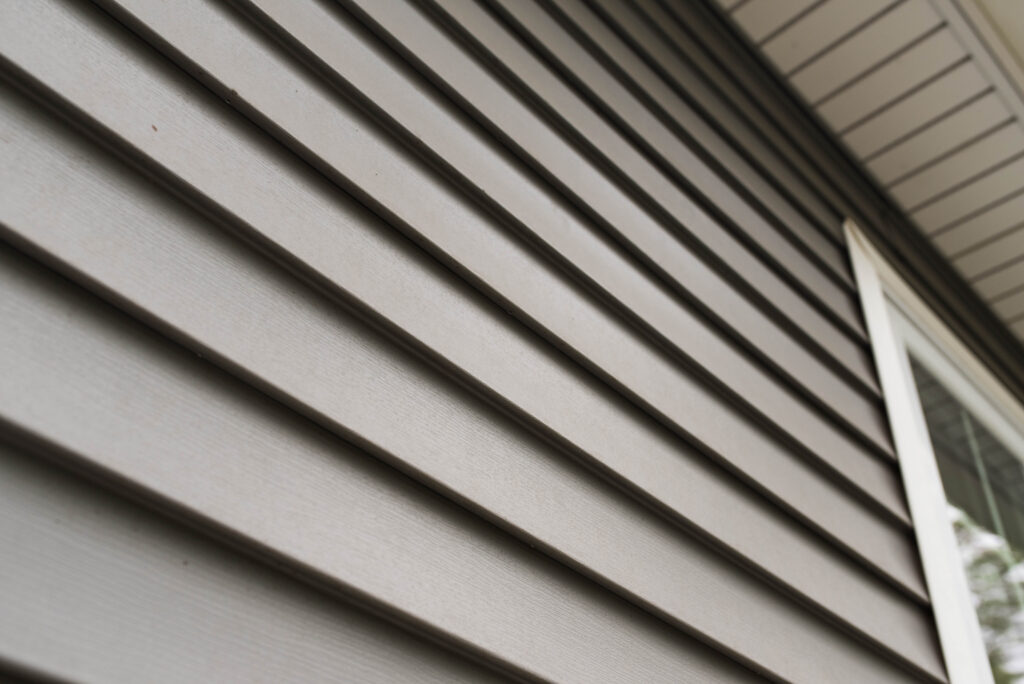
Your home’s siding does more than set the tone for curb appeal. It serves as the primary barrier against moisture, wind, insects, and temperature swings, and when it fails, the damage extends well beyond cosmetics.
Replacing siding on a typical 2,000 to 2,500 square foot home costs between $8,000 and $30,000, with most homeowners landing somewhere around $12,000 to $18,000 depending on the material and labor rates in their region. That is a wide range, and the spread exists because siding material costs vary dramatically, from budget vinyl at $3 per square foot to premium stone veneer at $30 or more.
Understanding where your project falls in that range starts with knowing what drives the price. This guide breaks down siding costs by material, labor, home size, and region so you can set a realistic budget before reaching out to contractors.
How Much Does New Siding Cost on Average?
Most homeowners spend between $8,000 and $30,000 for a full siding replacement, with material choice driving most of that range.
The total depends heavily on your material choice and where you live. Material and installation costs range from about $4 to $13 per square foot for common options like vinyl, aluminum, and fiber cement.
Premium materials like brick, stone veneer, and natural wood push that number higher, sometimes past $20 per square foot installed.
Keep in mind that interior square footage and exterior siding square footage are not the same thing. A two-story home with 2,000 square feet of living space may need 2,400 to 2,800 square feet of siding material when you account for wall height, gables, and dormers.
Getting an accurate measurement is one of the most important steps in budgeting, and a contractor’s on-site estimate will always be more precise than an online calculator. If you want to get a head start, our guide on how to measure your house for siding walks through the process.
| Home Size (Sq Ft) | Typical Siding Needed (Sq Ft) | Low Estimate | Mid Estimate | High Estimate |
|---|---|---|---|---|
| 1,000 | 1,200–1,400 | $4,800 | $10,500 | $18,200 |
| 1,500 | 1,800–2,100 | $7,200 | $15,750 | $27,300 |
| 2,000 | 2,400–2,800 | $9,600 | $21,000 | $36,400 |
| 2,500 | 3,000–3,200 | $12,000 | $24,000 | $41,600 |
| 3,000 | 3,600–3,840 | $14,400 | $28,800 | $49,920 |
These ranges assume vinyl at the low end, fiber cement at the midpoint, and brick or stone veneer at the high end. Actual costs will vary by region and project complexity.
What Are the Most Common Siding Materials and Their Costs?
Vinyl, fiber cement, wood, metal, and engineered wood are the five most widely installed siding materials across the country.
Each material occupies a different price tier and carries distinct trade-offs in durability, maintenance, and appearance. The table below shows installed costs per square foot and estimated project totals for a 2,500 square foot home.
| Material | Cost Per Sq Ft (Installed) | Total for 2,500 Sq Ft Home | Lifespan | Maintenance Level |
|---|---|---|---|---|
| Vinyl | $4–$12 | $10,000–$30,000 | 20–40 years | Low |
| Aluminum | $6–$10 | $15,000–$25,000 | 25–40 years | Low |
| Fiber Cement | $5–$13 | $12,500–$32,500 | 30–50 years | Moderate |
| Engineered Wood | $5–$11 | $12,500–$27,500 | 25–30 years | Moderate |
| Natural Wood (Cedar) | $6–$16 | $15,000–$40,000 | 20–40 years | High |
| Brick Veneer | $8–$18 | $20,000–$45,000 | 50–100+ years | Low |
| Stone Veneer | $10–$30 | $25,000–$75,000 | 50–100+ years | Low |
| Stucco | $6–$12 | $15,000–$30,000 | 50–80 years | Moderate |
If you are weighing the trade-offs between these options, our breakdown of the pros and cons of different siding options covers durability, aesthetics, and climate suitability in detail.
Vinyl Siding
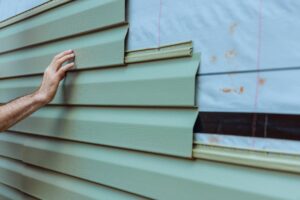
Vinyl is the most popular siding material in the United States, and affordability is the primary reason. Basic horizontal lap vinyl starts around $4 per square foot installed, while premium insulated vinyl panels can reach $12 per square foot.
Standard vinyl offers several advantages for budget-conscious homeowners:
- Rot and insect resistance without chemical treatments
- No painting required, with a wide range of factory colors and profiles
- Low maintenance compared to wood or fiber cement
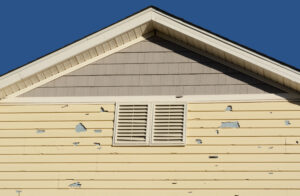
The downsides are susceptibility to impact damage from hail or debris and fading over time. In regions with extreme cold or frequent storms, the lifespan can shrink from the typical 30 to 40 years down to 15 to 20 years.
Homeowners looking for better thermal performance should consider insulated vinyl siding, which adds a foam backing that improves R-value and reduces energy costs.
Fiber Cement Siding
Fiber cement, often sold under the brand name Hardie Board, combines Portland cement, sand, and cellulose fibers into panels with premium durability. Installed costs run $5 to $13 per square foot, making it a mid-range option that punches well above its price point.
Key characteristics include:
- Class A fire rating, the highest available for residential siding
- Resistance to rot, termites, and extreme weather
- Versatile appearance that mimics wood grain, stucco, or stone
Fiber cement holds paint well, typically needing repainting every 10 to 15 years. Joints should be recaulked every two to three years to maintain weather protection.
The material is heavier than vinyl, which increases labor costs and generally requires professional installation. This weight penalty is the main reason fiber cement projects cost more in labor despite similar material pricing.
According to the 2025 Cost vs. Value Report from Zonda and Remodeling Magazine, fiber cement siding replacement delivered 114% ROI nationally, meaning homeowners recouped more than they spent at resale. Vinyl siding replacement returned 97%.
Actual costs depend on your location, project scope, and materials. The best way to know what you'll pay is to get quotes from local contractors.
Get Your Free Estimate →Wood and Engineered Wood
These two materials target homeowners who prioritize natural aesthetics, but they differ significantly in cost and maintenance requirements.
Natural Cedar
Cedar siding costs $6 to $16 per square foot installed, depending on the grade, thickness, and profile. Premium clear-grain cedar is the most expensive but has no visible knots or defects.
Wood requires regular maintenance, including staining or painting every three to five years and inspections for rot, warping, and insect activity. Without consistent upkeep, wood siding can deteriorate quickly.
Engineered Wood
Engineered wood blends wood fibers with resins and wax binders, producing panels that resist moisture and termites better than natural wood. It is lighter, easier to install, and costs $5 to $11 per square foot.
The trade-off is a shorter lifespan of 25 to 30 years compared to cedar’s 40-year potential. For homeowners who want the wood look without the maintenance commitment, engineered wood is the more practical choice.
Metal, Brick, and Stone Veneer
These materials sit at opposite ends of the cost spectrum but share strong durability and low long-term maintenance.
Aluminum and Steel
Aluminum costs $6 to $10 per square foot installed but dents easily and is not as energy efficient as vinyl or fiber cement. Steel siding is more impact-resistant but costs more, typically $8 to $14 per square foot.
Both metals are fire-resistant and fully recyclable, making them a practical choice for fire-prone regions.
Brick Veneer
Brick veneer runs $8 to $18 per square foot installed and can last a century or more with minimal maintenance. Full-size brick installations may also require a concrete footer (called a brick ledge), adding $15 to $30 per square foot for that support structure.
Stone Veneer
Stone veneer, both natural and manufactured, ranges from $10 to $30 per square foot. It is often used as an accent material on the front facade rather than a whole-house wrap, which keeps project costs manageable while adding high visual impact.
What Factors Affect House Siding Costs the Most?
Material choice, home size, labor rates, and project complexity are the four primary cost drivers for any siding project.
Beyond the material itself, several variables can push your project total higher or lower than the averages listed above. Here is how each factor affects your bottom line.
"We matched with a great contractor the same day. The whole process was easy and completely free."
Home Size and Layout
Larger homes require more material and more labor hours. A simple rectangular ranch is less expensive to side than a multi-story colonial with dormers, bump-outs, and complex rooflines, even if the interior square footage is similar.
Every corner, window frame, and architectural detail adds cutting, fitting, and trim work that increases both time and material waste.
Labor Costs
Labor typically accounts for 40% to 60% of the total project cost. Rates vary by region, with metropolitan areas and high cost-of-living states charging more than rural markets.
Siding installation labor averages $2 to $8 per square foot, depending on the material. Vinyl is the fastest to install and the cheapest for labor, while fiber cement and brick require specialized skills and equipment that push labor rates higher.
Timing also matters. Scheduling your project in fall or winter, when contractor demand is lower, can save 10% to 15% on labor in many markets.
Old Siding Removal
Most full siding replacements involve tearing off the existing siding before installing new panels. Removal costs $0.70 to $2.00 per square foot, depending on the existing material.
Removing old brick or stucco is significantly more labor-intensive (and expensive) than stripping vinyl or aluminum. In some cases, new siding can be installed directly over old siding if the substrate is structurally sound, flat, and free of moisture issues.
This saves on removal costs but adds thickness to the wall assembly, which can create problems around window and door trim. Understanding the signs of siding damage will help you determine whether a full replacement or targeted repair is the better path.
Permits, Inspections, and Additional Work
Many municipalities require a building permit for siding replacement, typically costing $100 to $500. If the contractor discovers rotted sheathing, damaged house wrap, or inadequate insulation during the tear-off, those repairs add to the total.
Sheathing replacement can cost $1 to $4 per square foot, and adding house wrap or rigid foam insulation adds another $0.50 to $2 per square foot. These unexpected costs are one reason why contractors encourage a contingency budget of 10% to 15% above the quoted price.
How Much Does It Cost to Re-side a House by Region?
Regional labor rates and climate-driven material preferences create significant siding price variation across the country.
A vinyl siding project that costs $10,000 in a mid-market Southern city might run $16,000 or more in the Northeast or Pacific Northwest. Climate preferences also shape material choices regionally.
Stucco and stone dominate in the Southwest where heat and aridity favor those materials. Vinyl and fiber cement are standard across the Midwest and Southeast.
Cold-climate states in the Northeast and Mountain West lean toward fiber cement and insulated vinyl for their superior moisture and freeze-thaw resistance.
| Region | Most Popular Materials | Labor Rate Range (Per Sq Ft) | Cost Modifier |
|---|---|---|---|
| Northeast | Fiber cement, vinyl, wood | $4–$9 | +10% to +25% |
| Southeast | Vinyl, fiber cement | $3–$6 | –5% to +5% |
| Midwest | Vinyl, fiber cement, engineered wood | $3–$7 | –5% to +10% |
| Southwest | Stucco, stone veneer | $4–$8 | +5% to +15% |
| Pacific Northwest | Fiber cement, cedar | $4–$9 | +10% to +20% |
For a deeper look at how siding materials perform across climate zones, see our guide to the best siding options for every climate.
Should You Repair or Replace Your Siding?
Repairing damaged sections costs significantly less than a full replacement, but only makes sense when the damage is localized.
A few cracked vinyl panels or a patch of rotted wood on one wall can be repaired for $300 to $1,500, depending on the material and the extent of the damage. This approach works when the rest of the siding is in good condition and has meaningful life remaining.
However, if you are seeing widespread issues, a full replacement is usually the better investment. Warning signs that point toward replacement include:
- Warping or buckling across multiple walls
- Persistent moisture infiltration behind the siding
- Mold or mildew growth that returns after cleaning
- Significantly faded color that no longer matches available replacement panels
Our detailed comparison of siding replacement vs. repair helps you evaluate whether patching or replacing is the smarter financial decision for your situation.
If your siding is more than 20 years old and you are planning to sell within the next few years, a full replacement almost always delivers a stronger return than piecemeal repairs. Buyers notice mismatched panels and patchy repairs, and those visual cues lower perceived home value.
Does New Siding Increase Home Value?
New siding is one of the highest-ROI exterior projects a homeowner can undertake, often recovering 90% or more of the cost at resale.
The 2025 Cost vs. Value Report consistently ranks siding replacement among the top home improvement projects for return on investment. Fiber cement siding replacement delivered a 114% return nationally, while vinyl siding returned 97%.
These numbers outperform many interior remodeling projects, including mid-range kitchen and bathroom renovations.
Beyond the resale math, new siding improves energy efficiency (especially insulated options), eliminates ongoing repair costs, and dramatically upgrades curb appeal. For homeowners weighing siding against other upgrades, our article on home renovations with the best ROI provides a broader comparison.
Why Hire a Licensed Professional
- Licensed & insured — protects you from liability
- Warranty coverage — manufacturers require pro installation
- Code compliance — avoids permit issues
- Faster completion — pros finish in days, not weeks
How Can You Save Money on Siding Installation?
Smart timing, material selection, and project bundling can reduce siding costs by 10% to 25% without sacrificing quality.
There are several practical ways to lower your total cost without compromising the finished product.
Choose Your Material Strategically
Vinyl remains the most affordable option for whole-house coverage. If you want a higher-end look without the full cost, consider using premium materials like stone veneer or fiber cement on the front-facing walls and a more affordable option on the sides and back.
This mixed-material approach, sometimes called a mixed siding design, is increasingly common and can cut material costs by 20% to 30% while maintaining strong curb appeal.
Schedule During the Off-Season
Siding contractors are busiest from late spring through early fall. Booking your project in late fall or winter often means lower labor rates and faster scheduling.
DIY vs. Professional: At a Glance
Bundle Projects Together
If you also need new gutters, windows, or exterior painting, bundling those projects with your siding replacement can save on setup costs, scaffolding, and labor since the contractor is already mobilized. Replacing siding and windows together is one of the most common and cost-effective combinations.
Get Multiple Quotes
Always collect at least three written estimates from licensed, insured contractors. Quotes should include material specifications, labor costs, old siding removal, disposal fees, and a timeline.
Comparing line items, rather than just bottom-line totals, helps you identify where costs differ and where there may be room to negotiate.
Explore Financing Options
Many siding contractors offer financing plans that spread the cost over 12 to 60 months. Our guide to siding financing covers the most common options, including home equity loans, personal loans, and contractor financing programs.
Spring and summer are the busiest seasons for home improvement projects — top-rated contractors book up fast. Lock in your estimate now before demand peaks.
Check Availability in Your Area →What Should You Expect During Siding Installation?
A typical whole-house siding replacement takes three to seven business days, depending on the home size and material choice.
Here is the general sequence most contractors follow.
Old Siding Removal
The crew strips the existing siding down to the sheathing, disposing of materials as they go.
Substrate Inspection and Repair
With the walls exposed, the contractor checks for moisture damage, rot, mold, or structural issues in the sheathing and framing. Any damaged sections are repaired or replaced before moving forward.
Weather Barrier Installation
New house wrap or weather-resistant barrier material is applied over the sheathing to protect against moisture infiltration.
Siding Installation
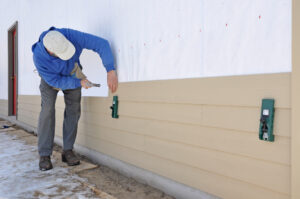
Panels are installed from the bottom of each wall and worked upward, with each course locking or fastening into the one below it.
Trim, Flashing, and Caulking
Window and door trim, corner posts, J-channels, and flashing are installed last. All joints and penetrations are sealed with caulk to complete the weather envelope.
Cleanup and Final Walkthrough
The crew removes debris, checks for any missed details, and walks through the finished project with you.
Expect some noise and disruption throughout the process. Contractors will need clear access to all exterior walls, which may mean temporarily moving patio furniture, vehicles, and landscaping elements.
For a full overview of the timeline, see what to expect during siding installation.
Always verify that your contractor carries general liability insurance and workers’ compensation coverage before work begins. A detailed written contract should specify the material brand, color, profile, warranty terms, and payment schedule.
Frequently Asked Questions About Siding Costs
Here are answers to the most common questions homeowners ask when planning and budgeting for a siding replacement project.
How Long Does Siding Last?
Siding lifespan depends entirely on the material and how well it is maintained. Here is how the major options compare:
- Vinyl: 20 to 40 years
- Fiber cement: 30 to 50 years
- Natural wood: 20 to 40 years with proper maintenance
- Brick or stone: 50 to 100 years or more
Climate plays a major role. Homes in regions with severe freeze-thaw cycles, heavy rainfall, or intense UV exposure will see shorter lifespans across all materials.
Ready to Move Forward?
Tell us about your project and get matched with up to 3 pre-screened contractors. Compare quotes, check reviews, and hire with confidence.
Can You Install New Siding Over Old Siding?
In some cases, yes. If the existing siding is structurally sound, flat, and free of moisture problems, new siding can be layered over it.
This avoids removal costs but adds thickness to the wall, which can complicate trim work around windows and doors. A professional inspection is the only reliable way to determine whether overlay installation is appropriate for your home.
Is Siding Replacement a DIY Project?
Vinyl siding is the most DIY-friendly option due to its light weight and snap-lock installation system. However, most siding warranties are only valid when installed by a certified professional.
Fiber cement, wood, and brick all require specialized tools, skills, and in some cases structural modifications that put them firmly in the professional-installation category. Poor installation can void warranties, trap moisture, and create long-term damage that costs more to fix than the original project.
How Do You Know When It Is Time to Replace Siding?
Common warning signs include:
- Cracking, warping, or buckling across large sections
- Visible mold or mildew growth
- Peeling paint that reappears shortly after repainting
- Rising energy bills, suggesting lost insulation value
- Soft or spongy spots when you press on the siding
If your siding is more than 20 years old and showing two or more of these symptoms, replacement is likely the more cost-effective path than ongoing repairs. For a complete checklist, see our guide on choosing the best siding for your home.
Getting Your Siding Project Started
A well-planned siding replacement protects your home for decades while boosting curb appeal and resale value at the same time.
The right material, a reliable contractor, and realistic budgeting are the three pillars of a successful project. Use the cost ranges and comparison tables in this guide to narrow your options, then collect at least three on-site estimates to see where your specific home falls.
Connect with experienced siding contractors in your area through MyHomePros to get free, no-obligation estimates for your project.
Connect with top-rated local contractors who can help you with siding, roofing, HVAC, windows, and more. Get free quotes from verified professionals in your area today.