
Choosing siding based on what was popular five years ago is an expensive mistake. Materials that were top-tier recommendations in 2020 are being replaced by better-performing options. Aesthetic choices that seemed safe are now reading as dated. And new technologies are solving problems that used to require workarounds.
The problem is separating real trends from manufacturer hype. Not every “innovation” is worth paying for, and not every popular style makes sense for your climate, architecture, or budget. You need to know what’s actually reshaping the industry versus what’s just clever marketing.
This guide covers the emerging siding trends that are genuinely changing how contractors work and what homeowners choose. We’ll explain what’s driving each trend, which are worth considering for your project, and which you can safely ignore without missing out on anything important.
Why Siding Trends Matter
Siding replacement consistently returns 70-80% of its cost at resale, but that’s only part of the equation. The real value comes from choosing materials that reduce your maintenance costs, improve energy efficiency, and hold their appearance for 20-plus years instead of needing attention every 5-7 years.
The siding options available now are different from what was standard even three years ago. Better weather resistance, longer-lasting finishes, and more diverse aesthetic options mean you’re not stuck choosing between durability and design. Whether you’re replacing failing siding or updating for resale, understanding which trends have staying power versus which are regional or temporary matters for both your budget, comfort, and your home’s value.
What’s Driving Siding Innovation in 2026?
Several forces are pushing siding designs and materials in new directions:
- Extreme Weather: Extreme weather is making durability a top priority for homeowners. In coastal areas, that means siding that can handle strong winds and salty air. In fire-prone regions, it often means options that offer better resistance to heat and flames.
- Sustainability: Homeowners want to know what materials are made of, where they come from, and what happens when they need to be replaced. Manufacturers are responding with more recycled-content options and products designed with longer lifespans.
- Technology: New manufacturing methods can create realistic wood- or stone-style looks without the same upkeep. Digital tools help homeowners preview colors and styles on their actual home before committing. Improved finishes and protective coatings are also helping siding keep its color and performance longer than older materials.
Top Siding Trends for 2026
The siding market this year is being shaped by smarter materials and changing style preferences. Homeowners want exteriors that hold up well and still look great. Here’s what you’re likely to see showing up in neighborhoods across the country.
Actual costs depend on your location, project scope, and materials. The best way to know what you'll pay is to get quotes from local contractors.
Get Your Free Estimate →1. Sustainable and Eco-Friendly Materials
Conscious consumerism is driving a massive demand for green building practices. Homeowners are prioritizing materials that are highly durable and eco-friendly. We are seeing a rise in siding options made with significant recycled content, reclaimed wood alternatives, and finishes with low volatile organic compounds (VOCs).
Longevity is now considered a key part of sustainability. Durable, long-life products like composite cladding and fiber cement reduce the need for frequent replacements. This minimizes landfill waste over time and offers a better investment for the eco-conscious homeowner.
2. High-Performance Fiber Cement
Fiber cement continues to dominate the market because of its exceptional durability and return on investment. Manufacturers are introducing smoother finishes, deeper wood-grain textures, and a wider array of factory-applied colors. These improvements allow the material to mimic natural wood with incredible accuracy while offering better fade resistance.
Its popularity stems from its resistance to fire, pests, and rot. This makes fiber cement a superior option for a variety of climates, from the humid South to the snowy North.
"We matched with a great contractor the same day. The whole process was easy and completely free."
3. Bold, Dark Exterior Palettes
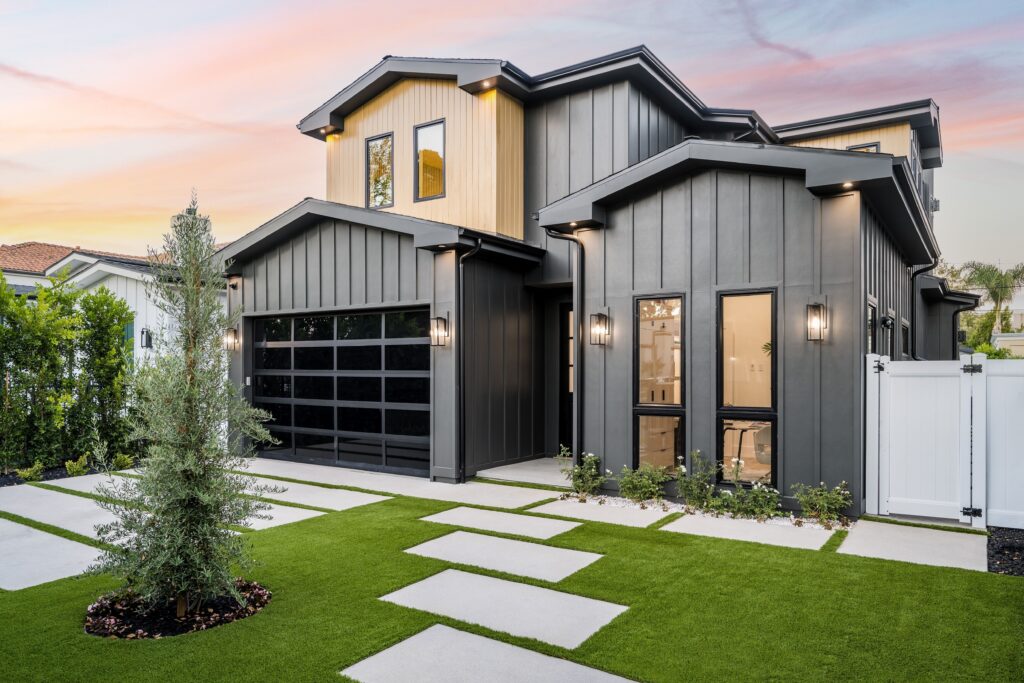
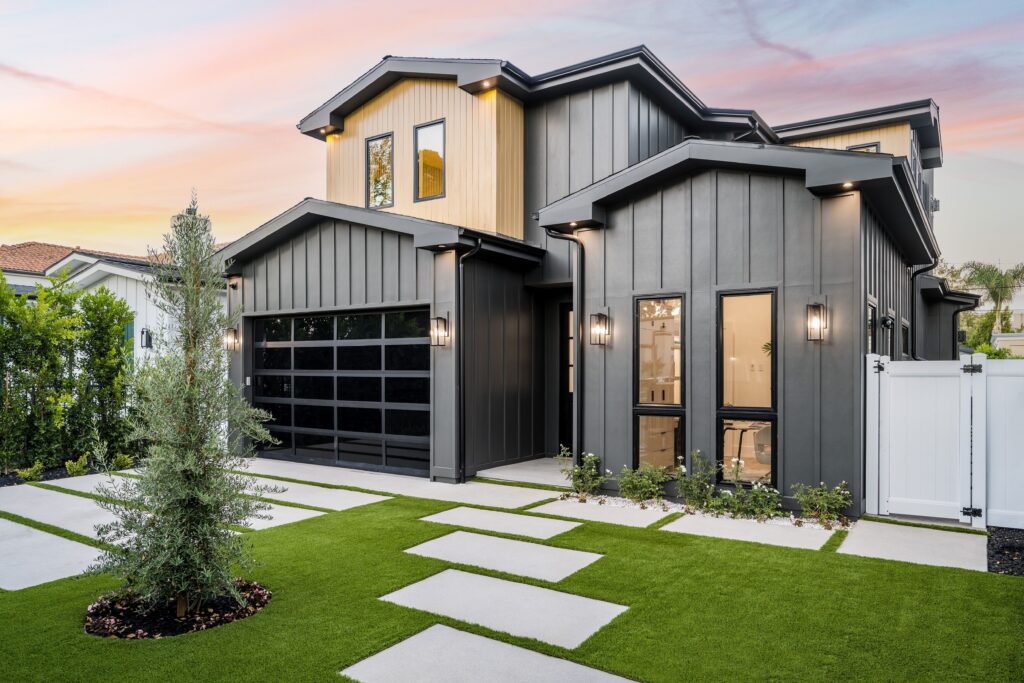
While warm neutrals remain a safe bet, a major counter-trend involves rich, dramatic colors that make a statement. Dark siding colors such as deep charcoal, matte black, and slate blues are increasingly popular choices for the main body of the home.
In the past, homeowners worried about dark colors fading or warping. Thanks to improved UV-resistant coatings, these darker hues are now more durable than ever before. This empowers homeowners to embrace a sophisticated aesthetic without worrying about rapid weathering.
4. Mixed-Material Exteriors
Monolithic facades are fading in popularity. The top modern exterior designs strategically layer different siding types to add depth, character, and visual interest. A common approach combines durable products like fiber cement with warm accents of natural wood or stone veneer.
You will see more fiber cement, composites, and mixed-material siding designs this year, often paired with crisp, high-contrast trim. This technique creates strong architectural lines and helps define different sections of the home for a custom look.
5. Modern Vertical Siding Profiles
Vertical siding offers a sleek, contemporary feel and is making a powerful comeback. The trend focuses on clean lines and wide panels, particularly board-and-batten styles. These lines draw the eye upward and provide a modern, crisp alternative to traditional horizontal planks.
6. Textured Wood-Look Alternatives
Homeowners want the warmth and texture of natural wood without the constant maintenance associated with painting and staining. The market is expanding with highly realistic grain patterns in engineered wood, LVP-style composites, and PVC options that mimic cedar or mahogany. These materials offer the aesthetic of wood while resisting the rot, warping, and pest damage that often plague natural lumber.
7. Smart and Insulated Siding Systems
Technology and energy efficiency are integrating directly into exterior products to improve home performance. We are seeing growth in insulated siding options with integrated foam backing to boost a home’s R-value and provide energy savings.
Emerging “smart siding” options are even beginning to incorporate features like embedded moisture monitoring sensors or built-in ventilation channels. This represents the ultimate move toward high-tech, energy-efficient exteriors.
Why Hire a Licensed Professional
- Licensed & insured — protects you from liability
- Warranty coverage — manufacturers require pro installation
- Code compliance — avoids permit issues
- Faster completion — pros finish in days, not weeks
8. Fire-Resistant and Climate-Resilient Products
In response to increasing climate volatility, resilience is a primary purchasing factor. More homeowners are choosing fire-resistant, storm-rated, and windproof materials regardless of their location. Products like fiber cement, metal, brick, and stucco naturally offer superior protection and a Class A fire rating. Brands are now highlighting these certified fire-resistant options as a way to future-proof homes against extreme weather events.
Trending Siding Colors, Textures and Finishes
Current siding design trends are leaning heavily into warm, nature-inspired neutrals and deep, moody tones. The days of flat, glossy vinyl are fading. In their place, we are seeing textured finishes that look high-end without requiring the high upkeep of natural materials.
You will see more fiber cement, composites, and mixed-material exteriors this year, often paired with crisp, high-contrast trim. The overall goal is simple: homeowners want to boost curb appeal immediately while ensuring the look remains timeless for decades to come.
DIY vs. Professional: At a Glance
The Shift to Earthy Naturals
The era of the “all-gray house” is officially ending. Homeowners are replacing cool, stark grays with warmer alternatives that make a house feel more established and welcoming.
Look for colors like taupe, sand, soft beige, and creamy off-white (often called “Greek Villa” or “Alabaster” in paint lines). These shades reflect sunlight beautifully and hide dust better than darker colors, making them a practical choice for curb appeal that lasts.
Soothing and Organic Greens
Green is rapidly becoming the new neutral. Sage, olive, and deep forest tones are gaining ground for their calm, outdoor-friendly aesthetic. These shades anchor the home to its surroundings, allowing the siding to pair effortlessly with landscaping, trees, and stone hardscaping.
Spring and summer are the busiest seasons for home improvement projects — top-rated contractors book up fast. Lock in your estimate now before demand peaks.
Check Availability in Your Area →High-Contrast Bold Accents
Matte black trim, window frames, and hardware are being used to add a modern edge to traditional homes. This is most effective when paired with lighter siding colors. The high contrast frames the home’s architectural features, making windows and gables pop. This trend started with the modern farmhouse style but has now expanded to Craftsman, Colonial, and even Ranch-style homes.
The Rise of Matte Finishes
Texture is just as important as color in 2026. Low-gloss and matte finishes are leading the way, replacing the “plastic” shine of older siding products.
- Matte finishes reduce glare from the sun, allowing the eye to focus on the texture of the material rather than the sheen. This is particularly effective for wood-inspired textures, making engineered materials look virtually indistinguishable from real timber.
- Low-gloss finishes are excellent at hiding minor surface imperfections or dirt, keeping the facade looking cleaner for longer.
Cost Considerations: What to Expect in 2026
When budgeting for a siding replacement project, expect total installed costs to range widely based on material choice, regional labor rates, and project complexity.
| Siding Material | Avg. Cost Per Sq. Ft. (Installed) | Key Characteristics |
| Vinyl | $3 – $12 | Lowest initial cost, very low maintenance, good durability. |
| Fiber Cement | $5 – $15 | Highly durable, fire-resistant, moderate maintenance, excellent ROI. |
| Wood | $6 – $20 | Natural aesthetic appeal but requires painting or staining every 4–6 years. |
| Stone Veneer | $10 – $25 | Highest initial cost, minimal maintenance, premium aesthetic. |
Note: Costs are national averages for mid-grade materials. Premium options or regional differences can push prices higher.
Ready to Move Forward?
Tell us about your project and get matched with up to 3 pre-screened contractors. Compare quotes, check reviews, and hire with confidence.
What Siding Trends Are Fading Out?
As new trends take hold, a few older ones are losing steam.
- Thin, builder-grade vinyl is falling out of favor, especially among homeowners who want better durability and a more premium look. The glossy, obviously plastic styles of the 1990s and 2000s are being replaced by thicker, more realistic vinyl options.
- Overly busy designs are also fading. Homes with excessive trim, heavy decorative details, and complicated color combinations can feel dated now. The shift is toward cleaner lines and simpler finishes.
- “Builder beige” is finally on the way out. Instead of defaulting to tan and flat light gray, homeowners are choosing warmer neutrals, deeper tones, or more personality even when they want a classic look.
- Purely cosmetic siding choices are losing momentum. Homeowners no longer want materials that only look good; they want siding that helps with energy use, stands up to harsh weather, and keeps maintenance to a minimum.
How to Choose the Right Siding
Choosing the right siding comes down to balancing style, performance, and upkeep.
- Start with your home’s architecture. A Victorian cottage may not pair well with industrial metal panels, and a sleek contemporary home might look out of place with ornate wood shingles. The goal should be to choose styles and materials that complement your home’s character, not contrast with it.
- Your climate matters. The materials that last longest in your area are usually popular for a reason. Look at what siding materials are common in your region and talk to local contractors about what holds up well over time and what tends to fail early.
- Be honest about maintenance. If you don’t want to power wash, paint, or stain every few years, wood may not be the right fit no matter how good it looks. If you want something that stays low effort for the long haul, options like fiber cement or higher-quality vinyl may make more sense.
- Check regulations. Review HOA rules and local building codes before you get attached to a specific look. Some communities limit colors or materials, and certain areas require more fire-resistant options.
- Choose what you love. You will be looking at your home’s exterior every day for years. A choice that makes you happy when you pull into your driveway has value beyond resale considerations.
Conclusion
Siding trends in 2026 reflect real improvements in material performance and longevity, not just aesthetic shifts. Whether you’re motivated by lower maintenance, better energy efficiency, or updated curb appeal, the products entering the market now deliver better results than what was standard even a few years ago.
The key is finding contractors who work with these materials regularly and can help you match products to your specific needs rather than defaulting to whatever they install most often. Get multiple quotes, compare warranty terms, and ask to see completed projects before making your decision.

Anna has over six years of experience in the home services and journalism industries and serves as the Content Manager at MyHomePros.com, specializing in making complex home improvement topics like HVAC, roofing, and plumbing accessible to all. With a bachelor’s degree in journalism from Auburn University, she excels in crafting localized, comprehensive guides that cater to homeowners’ unique needs. Living on both coasts of the United States has equipped her with a distinctive perspective, fueling her passion for turning any house into a cherished home through informed, personalized decision-making.
Connect with top-rated local contractors who can help you with siding, roofing, HVAC, windows, and more. Get free quotes from verified professionals in your area today.