

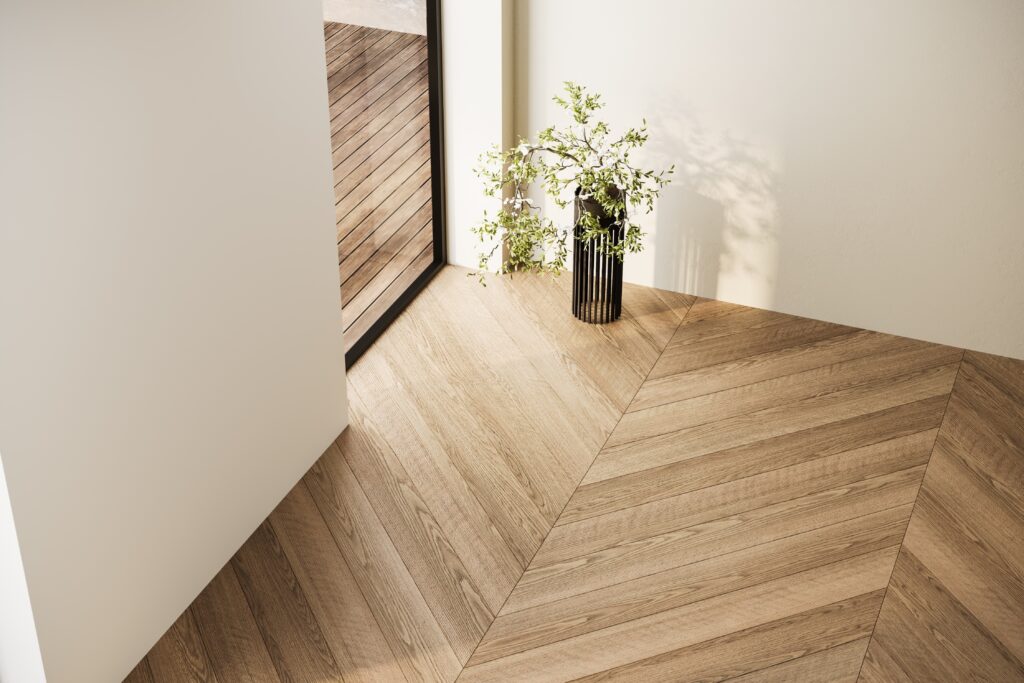
New flooring ranks among the most impactful home improvements you can make before selling, but not all flooring delivers equal returns. Data indicates that refinishing hardwood floors yields 147% cost recovery, while installing new wood floors returns 118% of project costs, outperforming almost all other interior renovations. These figures make flooring one of the few home improvements that can actually return more than you invest.
Understanding which flooring types deliver the strongest returns, and where in your home they matter most, helps you make smart renovation decisions whether you’re preparing to sell or simply want to build equity while enjoying your home.
Flooring ROI by Material Type
Each flooring material offers distinct advantages for resale value, but the returns vary significantly based on material quality, installation costs, and buyer expectations in your market.
Hardwood Flooring: The Gold Standard
Hardwood flooring consistently delivers the strongest resale returns and remains the most requested flooring type among home buyers. Real estate agents routinely cite hardwood as a feature that helps homes sell faster and for higher prices than comparable properties without it.
The financial case for hardwood breaks down as follows:
- New installation ROI: 70-80% typical return, with 118% cost recovery in documented remodeling impact studies
- Refinishing ROI: 147% cost recovery, making it the highest-return flooring project available
- Value increase: Hardwood can boost home value by 2.5-5%, with some premium markets seeing even higher lifts
- Lifespan: 50-100 years with proper maintenance, allowing costs to amortize over decades
- Refinishing potential: Solid hardwood can be refinished 3-5 times, extending usable life significantly
Installation costs range from $6 to $25 per square foot including materials and labor, with oak and maple on the lower end and exotic species like Brazilian cherry commanding premium prices. Current trends favor wider planks (4-6 inches) and lighter, more natural wood tones, with white oak dominating industry design and color preferences heading into 2026.
Existing Hardwood Floors: Refinishing existing hardwood floors typically costs $2 to $8 per square foot and delivers the highest ROI of any flooring project. Before installing new flooring, check whether hardwood exists beneath carpet or other coverings. Many older homes have original hardwood that can be restored rather than replaced.
Luxury Vinyl Plank: Best Dollar-for-Dollar Value
Luxury vinyl plank has transformed from a budget alternative to a legitimate flooring choice that buyers actively seek. Modern LVP so closely mimics hardwood that even experienced designers sometimes can’t tell the difference at first glance, while offering superior water resistance and easier maintenance.
LVP’s ROI profile differs from hardwood in important ways:
- ROI range: 65-80% cost recovery, with the best returns on mid-price homes
- Installation cost: $3-8 per square foot versus hardwood’s $6-25 range, significantly lowering total investment
- Dollar-for-dollar return: Because installation costs less, you risk less capital while still achieving competitive percentage returns
- Buyer acceptance: Growing rapidly, particularly among families with children and pets who prioritize durability
- Best applications: Kitchens, bathrooms, basements, and high-traffic areas where water resistance matters
The strategic advantage of LVP lies in its cost efficiency. Spending $5,000 on LVP that returns 75% ($3,750 in added value) may make more sense than spending $15,000 on hardwood that returns 80% ($12,000 in added value) if your budget or home’s price point doesn’t support the larger investment.
Engineered Hardwood: The Practical Middle Ground
Engineered hardwood combines a real wood veneer over a plywood or composite core, delivering authentic hardwood aesthetics with improved dimensional stability. This construction makes it suitable for basements, over concrete, and with radiant heating systems where solid hardwood may fail.
Returns for engineered hardwood typically fall between LVP and solid hardwood at 70-80% ROI. Installation costs run $3-14 per square foot for materials, with labor adding another $3-8 per square foot depending on installation method. Click-lock floating installations cost less than glue-down or nail-down methods.
The key limitation is refinishing potential. Most engineered products can only be sanded once or twice before the veneer becomes too thin, compared to solid hardwood’s 3-5 refinishing cycles. For maximum long-term value, choose engineered products with wear layers of at least 4mm.
Tile: Essential for Wet Spaces
Porcelain and ceramic tile remain the expected flooring choice for bathrooms, kitchens, and entryways. In these rooms, tile doesn’t just add value, its absence can create buyer concerns about water damage and maintenance.
Tile ROI depends heavily on room placement:
- Bathrooms: 70-85% ROI; buyers expect tile and may discount homes without it
- Kitchen: 65-80% ROI; competes with LVP and hardwood as acceptable options
- Entryways: 70-80% ROI; signals quality and reduces maintenance concerns
- Living areas: Lower returns; most buyers prefer wood-look options in main living spaces
Installation costs vary widely based on material and complexity. Ceramic tile runs $2-8 per square foot for materials, while porcelain costs $3-12 per square foot. Natural stone can exceed $20 per square foot. Labor adds another $5-10 per square foot due to tile’s installation complexity, making total project costs often comparable to hardwood.
Carpet: Context-Dependent Value
Carpet has fallen out of favor for main living areas, but it retains a place in bedrooms where buyers appreciate its warmth, noise reduction, and comfort underfoot. The key distinction is condition and location rather than material type.
Carpet ROI considerations:
- Fresh neutral carpet in bedrooms: 50-70% ROI; acceptable and sometimes preferred
- Carpet in main living areas: Often neutral to negative impact on resale unless in very high-end, plush installations
- Worn or stained carpet anywhere: Negative impact; replacement essential before listing
- Installation cost: $2-8 per square foot including padding, making it the most affordable option
If your home has carpet throughout and budget constraints prevent full replacement, prioritize replacing carpet in main living areas with hard surface flooring while refreshing bedroom carpet with neutral, quality options.
Flooring ROI comparison by material type:
| Flooring Type | Installation Cost (per sq ft) | Typical ROI | Lifespan | Best Use |
|---|---|---|---|---|
| Solid Hardwood | $6-$25 | 70-80% (118% per NAR) | 50-100 years | Main living areas, dining rooms |
| Hardwood Refinishing | $2-$8 | 147% | Extends existing floor 15-20 years | Existing hardwood floors |
| Engineered Hardwood | $6-$18 | 70-80% | 25-50 years | Basements, over concrete, radiant heat |
| Luxury Vinyl Plank | $3-$9 | 65-80% | 10-25 years | Kitchens, bathrooms, high-traffic areas |
| Porcelain Tile | $8-$20 | 70-85% | 50+ years | Bathrooms, kitchens, entryways |
| Ceramic Tile | $7-$15 | 65-80% | 50+ years | Bathrooms, laundry rooms |
| Laminate | $3-$8 | 50-70% | 15-25 years | Budget renovations, rentals |
| Carpet | $2-$8 | 50-70% | 5-15 years | Bedrooms only |
Actual costs depend on your location, project scope, and materials. The best way to know what you'll pay is to get quotes from local contractors.
Get Your Free Estimate →2026 Market Factors Affecting Flooring ROI
Several emerging trends are reshaping how flooring choices impact home value in 2026. Understanding these factors helps you make decisions that align with current buyer expectations and market dynamics.
Sustainable Material Certifications
Environmental considerations now influence both buyer preferences and regional building codes. In several markets, 2026 regulations favor low-VOC (Volatile Organic Compound) flooring materials that improve indoor air quality. Products carrying FloorScore certification or SCS Global Services credentials increasingly command premium positioning in listings.
This shift affects ROI calculations in specific ways:
- Certified hardwood: FSC-certified and domestically sourced hardwood appeals to environmentally conscious buyers willing to pay premiums
- Low-VOC adhesives: Using certified adhesives and finishes adds minimal cost while eliminating potential buyer objections
- LVP considerations: Premium LVP products with FloorScore certification differentiate from budget vinyl that may off-gas
Certification ROI: While sustainable certifications add roughly 5-10% to material costs, they can accelerate sales in markets where buyers prioritize indoor air quality, particularly families with young children or allergy concerns. Request certification documentation from suppliers to include in your listing materials.
The Digital Resale Factor
Over 80% of home discovery now happens through high-definition virtual tours and listing photography before buyers schedule in-person showings. This reality changes which flooring characteristics drive initial buyer interest.
Flooring that photographs well in 3D tours can increase digital engagement metrics on listing platforms, indirectly driving up showing requests and competitive offers. Specific considerations include:
- Wide-plank white oak: Photographs exceptionally well with natural light, creating the bright, spacious appearance that stops scrolling buyers
- Consistent flooring throughout: Eliminates jarring transitions in virtual walk-throughs that can make spaces feel smaller or disjointed
- Matte and satin finishes: Reduce glare in photography compared to high-gloss finishes that can create distracting reflections
- Neutral tones: Gray, natural wood, and warm beige tones present best across different lighting conditions and camera settings
Smart Flooring Integration
In the luxury market segment (homes valued above $750,000), smart home integration is extending to flooring systems. While still niche, these technologies are beginning to influence ROI calculations for high-end renovations.
Emerging smart flooring features include:
- Integrated radiant heating with smart thermostats: Zoned underfloor heating controlled via app adds approximately $10-15 per square foot but appeals strongly to luxury buyers
- Subfloor leak detection sensors: Smart water sensors beneath flooring provide early warning of plumbing issues, reducing buyer concerns about water damage
- Acoustic underlayment systems: Premium sound-dampening underlayment with measurable STC (Sound Transmission Class) ratings appeals in multi-story homes and condominiums
For most homes, these features represent over-improvement. However, in luxury markets where competing listings offer smart home features, integrated flooring technology can differentiate your property and justify premium pricing.
"We matched with a great contractor the same day. The whole process was easy and completely free."
Room-by-Room Flooring Strategy
Flooring ROI varies by room because buyer expectations differ throughout the home. Strategic allocation of your flooring budget to high-impact rooms maximizes returns.
Highest Priority: Entry and Main Living Areas
The entryway, living room, and dining room create first impressions that shape buyer perception of your entire home. These spaces should receive your best flooring materials and installation quality.
Hard surface flooring, whether hardwood, engineered wood, or quality LVP, is essential in these areas. Buyers walking into a home immediately notice flooring quality, and these rooms set expectations for the rest of the property. Using the same flooring continuously through main living spaces creates a cohesive, spacious feel that positively influences buyer perception.
High Priority: Kitchens
Kitchen flooring must balance aesthetics with practicality. Buyers expect water-resistant, easy-to-clean surfaces that can handle spills and heavy traffic. Acceptable options include hardwood, LVP, or tile, with the best choice depending on your home’s overall style and price point.
Kitchen flooring priorities for maximum ROI:
- Moisture resistance: Essential for areas near sinks, dishwashers, and refrigerators where leaks and spills occur regularly
- Slip resistance: Critical safety consideration for high-traffic food prep zones; look for flooring with adequate coefficient of friction ratings
- Visual continuity: Linking the kitchen floor to adjacent living areas creates the “open concept” feel that dominates buyer preferences
- Durability: High-traffic areas require flooring that resists scratches, dents, and wear from appliances and furniture movement
- Easy maintenance: Busy families prioritize surfaces that clean easily without specialized products or excessive effort
In homes where hardwood flows through the main living areas, continuing it into the kitchen maintains visual consistency that buyers appreciate. LVP or tile work well as alternatives and may be preferred by buyers concerned about water damage near sinks and appliances.
High Priority: Bathrooms
Tile remains the expected bathroom flooring, and its absence raises immediate concerns about water damage and maintenance. Porcelain tile offers superior water resistance compared to ceramic, with water absorption rates below 0.5% that make it effectively waterproof.
LVP is gaining acceptance in bathrooms and provides a warmer feel underfoot than tile. However, in higher-end homes, buyers still expect tile in primary bathrooms even if they accept LVP in secondary baths.
Lower Priority: Bedrooms
Bedrooms are the one area where carpet remains acceptable and sometimes preferred. Many buyers appreciate carpet’s warmth, noise reduction, and comfort for spaces where they walk barefoot. If budget constraints require prioritization, fresh neutral carpet in bedrooms won’t hurt resale value the way it would in living areas.
Bedroom flooring considerations that matter to buyers:
- Acoustic dampening: Reducing noise transfer between floors, particularly important in multi-story homes and above garages
- Thermal comfort: Maintaining warmth underfoot for barefoot morning walking; carpet or radiant heating addresses this concern
- Hypoallergenic options: Hard surfaces or low-pile carpet with hypoallergenic backing appeals to allergy-conscious buyers
- Neutral colors: Avoiding bold carpet colors that may clash with buyers’ furniture and décor preferences
- Fresh condition: Regardless of type, visibly worn or stained bedroom flooring creates negative impressions
Continuing hard surface flooring from main areas into bedrooms creates a cohesive flow that many buyers find appealing, particularly in modern or contemporary homes. Area rugs can provide the comfort benefits of carpet while maintaining the visual consistency of hard floors.
Regional and Market Considerations
Flooring preferences vary significantly by region, home price point, and local buyer demographics. Understanding your specific market prevents investing in features that local buyers don’t value or expect.
Price Point Matters
The relationship between flooring quality and home value isn’t linear. A $150,000 starter home with luxury hardwood may not recoup the investment because buyers at that price point prioritize affordability over premium finishes. Conversely, a $600,000 home without hardwood may struggle to compete with neighboring properties where buyers expect it as a baseline feature.
General guidelines by price point:
- Under $250,000: Quality LVP or laminate in main areas, fresh carpet in bedrooms; buyers prioritize condition over premium materials
- $250,000-$500,000: Engineered hardwood or premium LVP in main areas delivers strong returns; solid hardwood optional
- Over $500,000: Solid hardwood expected in main areas; quality tile in bathrooms; appraisers and buyers view hardwood as standard
Why Hire a Licensed Professional
- Licensed & insured — protects you from liability
- Warranty coverage — manufacturers require pro installation
- Code compliance — avoids permit issues
- Faster completion — pros finish in days, not weeks
Regional Preferences
Climate and local culture influence flooring preferences. Coastal California markets increasingly favor sustainable options like bamboo and reclaimed wood. Texas buyers often prioritize LVP for its humidity resistance and durability with active families. Mountain communities may prefer authentic hardwood that complements rustic aesthetics, while urban markets lean toward low-maintenance options like polished concrete or large-format tile.
Before committing to a flooring investment, review recent comparable sales in your neighborhood. Note what flooring successful listings featured and how long they took to sell. Local real estate agents can provide specific guidance on buyer expectations in your immediate market.
Avoid Over-Improvement: Installing flooring that exceeds neighborhood standards rarely pays off. If most homes in your area have laminate or LVP, investing in premium hardwood may not return the additional cost. Match your flooring quality to your home’s price point and local buyer expectations.
Installation Quality and Hidden Costs
The quality of installation affects ROI as much as material choice. Poorly installed flooring, regardless of material quality, creates visible imperfections that diminish perceived value and raise buyer concerns about underlying workmanship throughout the home.
Professional vs. DIY Installation
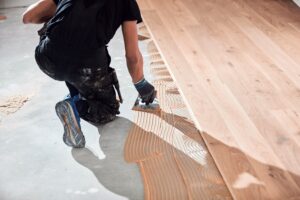
Labor typically accounts for 25-40% of total flooring project costs. While DIY installation can save significant money, the ROI calculation changes if installation quality suffers. Click-lock LVP and laminate are the most DIY-friendly options, while hardwood and tile generally require professional installation to achieve results that positively impact resale value.
For hardwood specifically, professional installation ensures proper acclimation, subfloor preparation, and finishing that affect both appearance and longevity. Amateur hardwood installation is often visible through uneven spacing, lippage between boards, or improper transitions that sophisticated buyers will notice.
Hidden Costs to Budget
Initial flooring quotes often exclude expenses that can significantly increase project costs:
- Old flooring removal: $1-4 per square foot depending on existing material; tile removal is most expensive
- Subfloor preparation: $2-10 per square foot if repair, leveling, or replacement is needed
- Underlayment: $0.50-3 per square foot for materials requiring padding or moisture barriers
- Transitions and trim: $1-5 per linear foot for thresholds, baseboards, and stair nosing
- Furniture moving: Often extra unless you clear rooms yourself
These additions can increase project costs by 20-40% beyond initial material and installation quotes. Request detailed, itemized estimates that specify what’s included before committing to any flooring project.
DIY vs. Professional: At a Glance
Maximizing Your Flooring Investment
Strategic decisions throughout the flooring selection and installation process help ensure you achieve the best possible return on your investment.
Choose Timeless Over Trendy
Bold colors, unusual patterns, and trendy finishes may appeal to current tastes but can quickly date a home. Neutral tones in classic patterns maintain appeal across buyer preferences and survive changing trends. For hardwood, natural wood tones in medium shades offer the broadest appeal. For LVP and tile, wood-look and stone-look finishes in gray, beige, and warm brown tones work across design styles.
Maintain Consistency
Using the same flooring throughout main living areas creates visual flow that makes spaces feel larger and more cohesive. Buyers respond positively to this consistency, which reads as intentional design rather than piecemeal renovation. If you must mix materials, limit transitions and use them at logical boundaries like doorways rather than mid-room.
Prioritize Quality Over Quantity
Installing premium flooring in high-impact rooms delivers better returns than budget flooring throughout the home. If budget constraints force choices, invest in quality materials for entryways and main living areas while accepting more affordable options in secondary spaces. Buyers form impressions based on what they see first.
Spring and summer are the busiest seasons for home improvement projects — top-rated contractors book up fast. Lock in your estimate now before demand peaks.
Check Availability in Your Area →Document Everything
Retain receipts, warranty information, and product specifications for all flooring installed. This documentation demonstrates investment in the home and provides buyers confidence in material quality. For hardwood, keep the manufacturer, species, and finish information for potential future refinishing or repairs.
Frequently Asked Questions
What Flooring Has the Highest ROI?
Refinishing existing hardwood floors delivers the highest ROI at 147% cost recovery, meaning you typically get back more than you invest. For new installations, solid hardwood returns approximately 118% according to NAR data. Among flooring types by percentage return, hardwood leads at 70-80%, followed by tile at 70-85% in wet areas, LVP at 65-80%, and carpet at 50-70% in bedrooms only.
Does Luxury Vinyl Plank Increase Home Value?
Yes. Quality LVP typically returns 65-80% of investment costs and often helps homes sell faster due to its modern appearance and practical benefits. LVP offers the best dollar-for-dollar ROI because lower installation costs mean less capital at risk. Buyer acceptance has grown significantly, particularly for families with children and pets who value LVP’s durability and water resistance.
Ready to Move Forward?
Tell us about your project and get matched with up to 3 pre-screened contractors. Compare quotes, check reviews, and hire with confidence.
Is Hardwood Flooring Worth the Investment?
Yes, particularly in homes valued above $300,000 where buyers expect hardwood as a baseline feature. Installing new hardwood costs $6-25 per square foot but can increase home value by 2.5-5% and significantly reduce time on market. The 50-100 year lifespan means costs spread over decades, and the ability to refinish solid hardwood extends its value indefinitely.
What Is the Best Flooring for Resale Value?
Hardwood remains the gold standard for resale value in main living areas, followed by quality tile in bathrooms and kitchens. LVP offers excellent value in mid-price homes where buyers prioritize durability and maintenance ease. The best choice depends on your home’s price point, local market expectations, and the specific room. Consistency throughout main living spaces matters more than any single material choice.
Does Carpet Decrease Home Value?
Not necessarily, but context matters significantly. Fresh, neutral carpet in bedrooms remains acceptable and even preferred by some buyers for comfort and noise reduction. However, carpet in main living areas limits buyer appeal compared to hard surface alternatives. Worn, stained, or dated carpet anywhere in the home will decrease value and extend time on market. Replacing damaged carpet is essential before listing.
How Much Does New Flooring Increase Home Value?
New flooring can increase home value by 1-5% depending on material and the home’s current condition. Hardwood typically adds 2.5-5% to home value. The larger impact is often on sale speed rather than price. Homes with updated flooring sell faster and receive more competitive offers than comparable homes with dated floors. The visual impact of quality flooring influences buyer perception throughout the showing process.
Making Your Decision
The best flooring investment depends on your specific situation, including current home condition, local market expectations, budget constraints, and timeline for selling.
Before committing to any flooring project, consider these decision factors:
- Check for existing hardwood: Before installing new flooring, verify whether hardwood exists beneath carpet or other coverings. Refinishing existing hardwood delivers 147% ROI compared to 118% for new installation.
- Match flooring to home value: Align your flooring investment with your home’s price point and neighborhood standards. Over-improvement rarely pays off.
- Prioritize high-impact rooms: If budget is limited, invest in quality flooring for entryways and main living areas rather than spreading budget flooring throughout.
- Research local preferences: Review recent comparable sales and consult with local real estate agents to understand what buyers in your specific market expect.
- Get detailed quotes: Request itemized estimates that include removal, subfloor preparation, underlayment, and transitions to avoid budget surprises.
Quality flooring is one of the few home improvements that can return more than 100% of investment when done strategically. Whether you choose hardwood for its proven premium returns, LVP for its practical value, or tile for its wet-area durability, matching the right material to the right room at the right price point maximizes your return while creating a home that shows well to potential buyers.
Connect with top-rated local contractors who can help you with siding, roofing, HVAC, windows, and more. Get free quotes from verified professionals in your area today.