
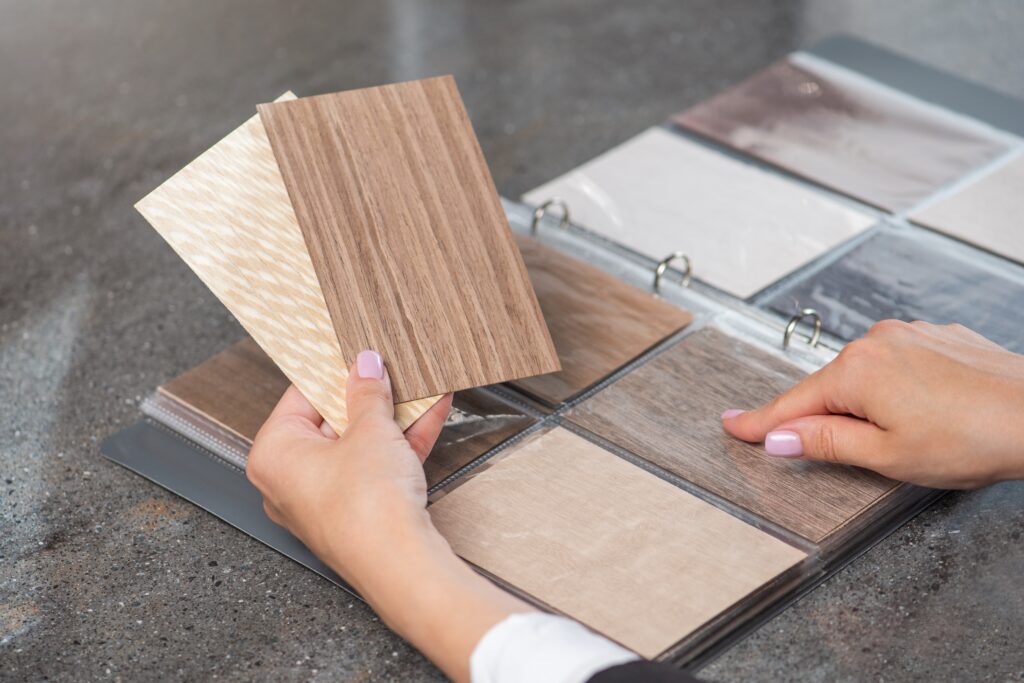
Choosing the right flooring means balancing budget, durability, moisture tolerance, and the look you actually want to live with for the next 10 to 40 years. The problem is that six of the most popular options, engineered hardwood, luxury vinyl plank (LVP), laminate, terrazzo, linoleum, and tile, each solve different problems at wildly different price points. Engineered hardwood installed runs $6 to $20 per square foot, while poured terrazzo can exceed $60 per square foot for custom designs.
This guide breaks down the construction, cost, lifespan, and best use cases for each flooring type so you can narrow your choices before requesting contractor quotes. If you are already exploring materials, the questions to ask while choosing floors checklist pairs well with the comparisons below.
Quick Comparison: Cost, Lifespan, and Key Features
| Flooring Type | Installed Cost (per sq. ft.) | Lifespan | Refinishable? | Waterproof? |
|---|---|---|---|---|
| Laminate | $3 to $8 | 10 to 25 years | No | No (unless waterproof-rated) |
| LVP | $4 to $16 | 15 to 25 years | No | Yes |
| Linoleum | $7 to $15 | 30 to 40 years | No (color is through-body) | Water-resistant only |
| Engineered Hardwood | $6 to $20 | 20 to 30 years | Yes (1 to 2 times) | No (unless rated) |
| Terrazzo (Tile) | $15 to $35 | 75 to 100 years | Yes (polishing) | Yes (when sealed) |
| Terrazzo (Poured) | $25 to $65+ | 75 to 100 years | Yes (polishing) | Yes (when sealed) |
Each flooring type is covered in detail below, including construction, installation methods, ideal rooms, and cost drivers.
Engineered Hardwood: Cost, Durability, and Best Uses
Engineered hardwood is a layered plank with a real wood veneer bonded to a plywood or fiberboard core, offering the look of solid wood with better moisture stability.
Engineered hardwood consists of a top wear layer of genuine hardwood (typically oak, hickory, maple, or walnut) laminated over three to nine layers of cross-grain plywood or high-density fiberboard. This cross-ply construction resists the expansion and contraction that makes solid hardwood unsuitable for basements, concrete slabs, and rooms with radiant heat. When choosing a species, the Janka hardness scale measures each wood’s resistance to denting. Oak rates 1,290 lbf, hickory reaches 1,820 lbf, and softer species like pine fall below 900 lbf.
Cost and Installation
Material costs range from $3 to $14 per square foot depending on wood species, veneer thickness, and finish quality. With professional installation, most homeowners pay $6 to $20 per square foot total. Domestic species like oak and maple sit at the lower end ($4 to $8 per square foot for materials), while exotics like walnut and Brazilian cherry push toward $10 to $14.
Three installation methods affect labor pricing:
- Floating (click-lock): Fastest and most affordable at $3 to $5 per square foot for labor. Planks snap together without adhesive.
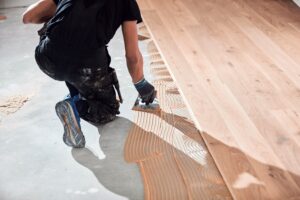
- Glue-down: Provides a solid feel on concrete slabs. Labor runs $4 to $7 per square foot, plus adhesive costs.
- Nail-down: Traditional method on wood subfloors. Labor costs $4 to $8 per square foot.
Durability and Lifespan
Engineered hardwood lasts 20 to 30 years with proper care. Planks with a wear layer of 2mm or thicker can be sanded and refinished once or twice, extending the floor’s useful life. Factory-applied aluminum oxide finishes outperform site-applied polyurethane in scratch resistance and typically last longer before requiring refinishing.
Best Rooms
Engineered hardwood works well in living rooms, bedrooms, kitchens, and dining rooms. It can be installed over concrete slabs and radiant heating systems where solid hardwood cannot. Avoid full bathrooms and laundry rooms unless the product is specifically rated as waterproof.
Contractor Note: If you have pets, choose a species rated at 1,300 lbf or higher on the Janka scale and request a matte or wire-brushed finish. Glossy polyurethane finishes show scratches from pet claws far more visibly than textured surfaces. Pet urine left on hardwood for extended periods can cause permanent black staining that penetrates the wood grain, so quick cleanup is essential.
For homeowners weighing whether to restore existing wood floors rather than install new engineered planks, our guide on hardwood refinishing vs. replacement costs covers the cost tradeoffs in detail. You can also find maintenance strategies in our guide to protecting hardwood floors.
Luxury Vinyl Plank (LVP): Cost, Durability, and Waterproof Core Types
LVP is a waterproof, multi-layer synthetic plank that mimics the look of hardwood at roughly half the installed cost, making it one of the most popular flooring choices today.
Luxury vinyl plank consists of four to five layers: a backing layer, a rigid or flexible core, a printed design layer (typically a high-resolution photo of real wood or stone), and a transparent wear layer that resists scratches. The core material determines the plank’s performance category.
Core Types
Understanding the core is critical because it dictates where you can install the floor and how it feels underfoot.
- SPC (Stone Plastic Composite): A limestone-and-PVC blend that creates an extremely rigid, dent-resistant core. This is the industry standard for most residential installations and performs well in basements, kitchens, and high-traffic areas.
- WPC (Wood Plastic Composite): A foamed core that adds cushion underfoot but is slightly less dent-resistant than SPC. WPC works best in bedrooms, living rooms, and spaces where comfort matters more than heavy-duty impact resistance.
- Flexible LVP (Glue-Down): The thinnest and most affordable option. Best suited for light-traffic areas or utility spaces.
Cost and Installation
LVP material costs range from $2 to $7 per square foot, with total installed pricing of $4 to $16 per square foot. The wear layer thickness, measured in mils (1 mil = 0.001 inch), is the single biggest factor in both price and longevity. For a more detailed breakdown by wear layer thickness, core type, and brand tier, see the LVP flooring cost guide.
| Tier | Material Cost (per sq. ft.) | Installed Cost (per sq. ft.) | Typical Features |
|---|---|---|---|
| Budget | $2.00 to $3.50 | $4 to $7 | 6-12 mil wear layer, basic designs |
| Mid-Range | $3.50 to $5.50 | $7 to $11 | 20 mil wear layer, SPC/WPC core |
| Premium | $5.50 to $10.00 | $10 to $16 | 28-40 mil wear layer, embossed textures |
Click-lock floating installation is the most common method. It does not require adhesive and is one of the more accessible options for experienced DIYers.
Durability and Lifespan
LVP lasts 15 to 25 years depending on wear layer thickness and daily use. Floors with a 20 mil or thicker wear layer handle pet claws, rolling chairs, and heavy foot traffic without visible damage. LVP is fully waterproof, which makes it a strong candidate for bathrooms, basements, kitchens, and laundry rooms.
The tradeoff: LVP cannot be refinished. Once the wear layer is scratched through, the plank must be replaced.
Best Rooms
LVP can be installed in every room of the house, including full bathrooms and basements. It is particularly well suited for homes with pets, young children, or high-traffic layouts. For rooms with persistent moisture exposure, explore additional picks in our waterproof flooring options for bathrooms, kitchens, and basements roundup.
Contractor Note: When installing LVP over a concrete slab, always lay a 6-mil polyethylene vapor barrier underneath, even though the plank itself is waterproof. The floor will not warp, but trapped moisture between the slab and the plank can promote mold growth. Also, SPC core LVP with a 20 mil or thicker wear layer is the best option for households with large dogs. The rigid core resists dent damage from claws better than WPC, and the textured surface provides better traction than smooth finishes.
Laminate Flooring: Cost, AC Ratings, and Limitations
Laminate is a budget-friendly, multi-layer floor with a photographic image layer sealed under a clear protective coating, delivering the look of wood or stone at the lowest installed cost among rigid planks.
Laminate flooring consists of four layers: a moisture-resistant backing, a high-density fiberboard (HDF) core, a printed decor layer, and a melamine resin wear layer on top. The decor layer is a photograph of wood, stone, or tile printed at high resolution and then embossed to simulate texture.
Cost and Installation
Laminate is consistently the most affordable rigid plank option. Material costs run $1 to $5 per square foot, with total installed costs of $3 to $8 per square foot for most projects.
| Component | Cost Range (per sq. ft.) |
|---|---|
| Materials | $1 to $5 |
| Labor | $2 to $4 |
| Total Installed | $3 to $8 |
Laminate uses a click-lock floating installation that does not require nails or adhesive. This makes it one of the easiest floors for DIY installation, though improper work can cause buckling and gaps over time. The planks need two to three days to acclimate to the room’s temperature and humidity before installation begins. Most laminate requires a separate foam or cork underlayment beneath the planks for sound dampening and moisture protection, though some premium products come with underlayment pre-attached. Budget $0.25 to $0.75 per square foot for underlayment and $2 to $5 per linear foot for transition strips where laminate meets other flooring types.
Durability Ratings (AC Scale)
Laminate durability is measured on the Abrasion Class (AC) scale, which rates resistance to wear, impact, staining, and burns.
- AC1/AC2 ($1 to $2/sq. ft.): Light residential traffic. Guest bedrooms and closets.
- AC3 ($2 to $3.50/sq. ft.): General residential. Living rooms, hallways, and kitchens.
- AC4/AC5 ($3.50 to $5/sq. ft.): Heavy residential and light commercial. Entryways, home offices, and high-traffic areas.
Lifespan and Limitations
Laminate lasts 10 to 25 years depending on the AC rating and maintenance. The main limitation: laminate cannot be refinished. Once the wear layer deteriorates, the floor must be replaced entirely. Standard laminate is also not waterproof. Water that seeps into the HDF core causes irreversible swelling. Waterproof laminate products (at $3 to $6 per square foot for materials) use a sealed core to address this, but they are more expensive than standard options.
For a more detailed cost analysis of this option, visit the laminate flooring cost guide.
Best Rooms
Laminate works well in bedrooms, living rooms, hallways, and home offices. Avoid standard laminate in bathrooms, kitchens with dishwashers, and basements unless you choose a waterproof-rated product specifically designed for wet areas.
Contractor Note: If you are installing laminate yourself, invest in a quality pull bar and tapping block rather than using a hammer directly on the plank edges. Direct hammer strikes crack the locking mechanism, and those damaged joints are where water infiltration starts. Also, never skip the acclimation period. Planks installed cold from a garage or delivery truck will expand after installation and buckle within weeks.
Terrazzo Flooring: Cost, Types, and Longevity
Terrazzo is a poured or tiled composite of marble, glass, or stone chips set in a cement or epoxy binder, creating a seamless, highly customizable surface that can last 75 years or longer.
Terrazzo has been used in high-traffic commercial buildings since the early 1900s. The material consists of aggregate chips (marble, glass, granite, quartz, or recycled materials) mixed into a cement or epoxy matrix, then poured, cured, ground, and polished to a smooth finish. The result is a surface that is extremely hard, seamless, and nearly maintenance-free over its lifespan.
Types of Terrazzo
There are two main categories, each with distinct cost and performance profiles.
Poured-in-place terrazzo is mixed on-site and applied directly over a concrete substrate. It produces a seamless floor with unlimited design potential, including custom logos, color gradients, and curved divider strips. There are three sub-methods:
- Thinset (epoxy): Applied at 3/8 to 1/2 inch thickness directly over a concrete slab. The most common system for indoor commercial and residential use.
- Monolithic: The aggregate mixture is placed directly on the concrete subfloor without a separation membrane. More economical, but susceptible to cracking if the slab has moisture issues.
- Sand-cushion: Uses a sand bed and wire mesh between the slab and the terrazzo layer. Best for exterior applications and environments prone to structural movement.
Terrazzo tiles are factory-made in standard sizes (typically 12×12 or 16×16 inches) and installed like ceramic or porcelain tile. They are more affordable and accessible for residential projects but offer less design flexibility than poured systems.
Cost
Terrazzo is among the most expensive flooring options upfront. However, its 75-to-100-year lifespan often makes it the lowest cost-per-year choice for buildings that require long-term durability.
| Type | Installed Cost (per sq. ft.) |
|---|---|
| Terrazzo Tiles | $15 to $35 |
| Epoxy Poured (Standard) | $30 to $65 |
| Epoxy Poured (Custom Design) | $45 to $100+ |
| Cementitious Poured | $25 to $50 |
Economies of scale apply significantly. A 200-square-foot residential bathroom may cost $60 to $80 per square foot because setup and mobilization costs are spread over a small area. A 5,000-square-foot commercial lobby might run $30 to $50 per square foot for the same system.
Pro Tip: Most terrazzo contractors require a minimum project size of 500 to 1,000 square feet. If your project is smaller than that, terrazzo tiles are usually the more practical option.
Best Use Cases
Terrazzo is most commonly installed in commercial lobbies, airports, hospitals, schools, and museums. For residential projects, it works best in entryways, kitchens, and open-plan living spaces large enough to justify the setup costs. The Hollywood Walk of Fame is one of the most recognizable outdoor terrazzo installations.
Linoleum Flooring: Cost, Eco Benefits, and Maintenance
Linoleum is a resilient flooring made from linseed oil, cork dust, wood flour, and pine resin, offering a 30-to-40-year lifespan and natural antimicrobial properties that synthetic alternatives cannot match.
Despite being frequently confused with vinyl, linoleum is a fundamentally different product. Its color and pattern run through the full thickness of the material rather than being printed on the surface, which means scratches and surface wear do not expose a different color underneath. Linoleum was first patented in the 1860s and has been in continuous production ever since.
Composition and Environmental Benefits
Linoleum is made from renewable, biodegradable ingredients: linseed oil (from flaxseeds), pine resin, cork powder, wood flour, limestone, and mineral pigments, all pressed onto a jute or canvas backing. This composition gives linoleum several advantages over synthetic flooring:
- Naturally antibacterial surface
- Low VOC emissions. The EPA’s guidance on indoor air quality recommends low-VOC building materials, and linoleum consistently outperforms vinyl on this metric.
- Products from major manufacturers like Forbo Marmoleum carry FloorScore and GREENGUARD Gold certifications, verifying low chemical emissions
- Fully biodegradable at end of life
- Compatible with radiant heat systems (both hydronic and electric)
Cost and Installation
Linoleum sits in the mid-range pricing tier. Material costs run $3 to $8 per square foot, with total installed costs of $7 to $15 per square foot.
Sheet linoleum requires professional installation because it is stiffer than sheet vinyl and must be precisely cut, fitted, and adhered to the subfloor. Click-lock linoleum tiles are more accessible for DIY projects and typically cost $6 to $10 per square foot installed.
Lifespan and Maintenance
With proper care, linoleum lasts 30 to 40 years, which is roughly double the lifespan of LVP. The floor requires periodic resealing (once or twice per year) with a manufacturer-recommended product to maintain moisture resistance and surface appearance. Linoleum is water-resistant but not waterproof. Prolonged water exposure causes warping.
Best Rooms
Linoleum works well in kitchens, living rooms, hallways, home offices, and bedrooms. It is popular in schools, hospitals, and commercial settings for its antimicrobial properties and durability. Avoid full bathrooms and laundry rooms where standing water is common. For spaces needing a fully waterproof solution, LVP or tile is the better choice.
Contractor Note: Linoleum has a natural odor (from linseed oil oxidation) that can last several weeks after installation. This is not off-gassing in the toxic sense, but it surprises homeowners who are not expecting it. Proper ventilation during and after installation speeds the dissipation. Also, never use ammonia-based cleaners on linoleum. They break down the linseed oil binder over time and shorten the floor’s lifespan.
What Is the Best Flooring for Each Room?
The best flooring for any room depends on moisture exposure, foot traffic volume, subfloor type, and your maintenance tolerance. No single product works everywhere.
Here is a practical room-by-room breakdown based on the performance characteristics of each flooring type.
| Room | Top Picks | Why |
|---|---|---|
| Living Room | Engineered hardwood, LVP, laminate | Moderate traffic, low moisture, aesthetics matter |
| Kitchen | LVP, linoleum, tile | Water resistance needed near sinks and appliances |
| Bathroom | LVP, tile | Full waterproofing required |
| Basement | LVP | Must handle moisture from concrete slabs |
| Bedroom | Engineered hardwood, laminate, linoleum | Low traffic, comfort underfoot is a priority |
| Entryway/Mudroom | LVP, tile, terrazzo | High traffic, dirt, moisture from shoes |
| Open-plan Commercial | Terrazzo, LVP, linoleum | Durability at scale, low lifecycle cost |
For a deeper look at room-specific recommendations, our guide on how to choose the best flooring for every room covers material-room matchups in more detail.
How Do Flooring Types Compare on Cost?
Engineered hardwood, LVP, laminate, terrazzo, and linoleum span a range from $3 to over $65 per square foot installed, with lifespan differences that dramatically change the true cost of ownership.
The comparison table at the top of this guide summarizes installed cost, lifespan, refinishability, and waterproofing for each material. But upfront cost alone does not tell the full story. Cost per year of use is a more accurate way to evaluate long-term value.
Cost Per Year of Use
Looking at cost per year of use changes the value equation significantly. A laminate floor installed at $5 per square foot that lasts 15 years costs $0.33 per square foot per year. An engineered hardwood floor installed at $12 per square foot that lasts 25 years costs $0.48 per square foot per year. Poured terrazzo at $40 per square foot lasting 80 years works out to $0.50 per square foot per year, which is comparable to hardwood despite costing three times as much upfront.
LVP offers the strongest short-to-mid-term value. It delivers waterproofing, durability, and design variety at the lowest cost for homeowners who do not plan to stay in the house for more than 15 to 20 years.
How Do You Avoid Common Flooring Installation Mistakes?
Subfloor preparation, acclimation, and expansion gaps are the three areas where flooring installations fail most often, regardless of the material you choose.
Even premium materials installed incorrectly will buckle, gap, or warp within the first year. The most common errors include:
- Skipping moisture testing. Concrete slabs with excessive moisture will damage every flooring type except fully sealed terrazzo. A calcium chloride test or relative humidity probe should be performed before installation begins.
- Ignoring acclimation requirements. Engineered hardwood and laminate need 48 to 72 hours of acclimation to the room’s temperature and humidity. Installing planks straight from the box is one of the most frequent causes of post-installation failures.
- Insufficient expansion gaps. Floating floors require a 1/4 to 3/8 inch gap along all walls and fixed objects. Without it, the floor has no room to expand and will buckle.
- Installing over damaged subfloors. Cracks, dips, and uneven areas telegraph through the finished floor, especially with thin materials like LVP and laminate.
Our guide on flooring installation mistakes to avoid covers these issues and more. For a broader overview of the installation process, see what to expect during flooring installation.
Does Flooring Affect Home Resale Value?
Hardwood and engineered hardwood deliver the highest resale ROI among flooring types, with some estimates showing up to 70% to 80% return on investment.
The National Association of Realtors’ Remodeling Impact Report consistently ranks hardwood flooring as one of the top interior upgrades for resale value. Engineered hardwood offers a similar visual appeal to solid wood at a lower price point, making it a strong investment for homeowners planning to sell.
LVP is viewed favorably by buyers for its durability and modern appearance, though it does not carry the same premium perception as real wood. Laminate has improved significantly in realism but still returns less at resale than hardwood or LVP.
Terrazzo adds value primarily in high-end or commercial properties where the craftsmanship and longevity command a premium. In standard residential resale, terrazzo’s high upfront cost may not be fully recovered.
For more detail on how different floor types affect your home’s market value, see which floors increase home value most.
Choosing the Right Flooring: A Decision Framework
The right flooring for your home depends on four factors: your budget per square foot, the room’s moisture exposure, how long you plan to stay in the home, and your tolerance for ongoing maintenance.
Use this framework to narrow your options:
Start with moisture. If the room has regular water exposure (bathrooms, basements, laundry rooms), your realistic options are LVP and tile. Linoleum, laminate, and engineered hardwood are not suited for these environments without specific waterproof ratings.
Set a per-square-foot budget. Under $8 per square foot installed points you toward laminate or budget-tier LVP. Between $8 and $15 covers mid-range LVP, linoleum, and entry-level engineered hardwood. Above $15 opens up premium engineered hardwood and terrazzo tiles.
Consider your timeline. If you plan to sell within five to seven years, LVP or engineered hardwood offers the best combination of visual appeal and buyer demand. If you are renovating a forever home, linoleum’s 40-year lifespan and engineered hardwood’s refinishability provide better long-term value.
Factor in maintenance. Laminate and LVP require virtually no ongoing maintenance beyond cleaning. Linoleum needs periodic resealing. Engineered hardwood benefits from refinishing every 7 to 10 years. Terrazzo needs occasional repolishing in high-traffic commercial settings but is nearly maintenance-free in residential use.
Once you have narrowed your options, getting multiple quotes from local installers is the most reliable way to pin down costs for your specific project. Our flooring installation cost guide provides national benchmarks to help you evaluate contractor pricing.

Anna has over six years of experience in the home services and journalism industries and serves as the Content Manager at MyHomePros.com, specializing in making complex home improvement topics like HVAC, roofing, and plumbing accessible to all. With a bachelor’s degree in journalism from Auburn University, she excels in crafting localized, comprehensive guides that cater to homeowners’ unique needs. Living on both coasts of the United States has equipped her with a distinctive perspective, fueling her passion for turning any house into a cherished home through informed, personalized decision-making.
Connect with top-rated local contractors who can help you with siding, roofing, HVAC, windows, and more. Get free quotes from verified professionals in your area today.