
Adding a bathroom to your basement transforms the space from occasional storage to genuine living area. Whether you’re finishing a basement for a home office, guest suite, or rental income, a bathroom makes the difference between convenient and truly functional. The challenge is that basement bathrooms cost more than above-grade bathrooms due to the complexity of installing plumbing below the main sewer line.
Most homeowners spend $15,000 to $18,000 for a complete basement bathroom with a toilet, vanity, and shower. However, costs can range from $8,000 for a basic half-bath with existing plumbing rough-ins to $25,000 or more for a full bathroom requiring extensive plumbing work and premium finishes — comparable to what many homeowners spend on shower renovations alone in above-grade bathrooms.
Basement Bathroom Cost Breakdown
Understanding where your money goes helps you budget accurately and identify opportunities to save. The major cost categories for a basement bathroom include plumbing, electrical, fixtures, finishes, and labor.
| Cost Category | Price Range | Notes |
|---|---|---|
| Plumbing rough-in (new) | $2,000-$7,000 | Higher if concrete cutting required |
| Plumbing rough-in (existing) | $500-$1,500 | Final connections only |
| Sewage ejector pump | $1,500-$3,500 | Required in most basements |
| Concrete cutting/repair | $1,000-$3,000 | For new drain line installation |
| Electrical work | $500-$2,000 | GFCI outlets, exhaust fan, lighting |
| Framing and drywall | $1,000-$3,000 | Depends on bathroom size |
| Toilet | $150-$600 | Standard to comfort height |
| Vanity with sink | $300-$2,000 | Basic to premium |
| Shower (prefab) | $800-$2,500 | Fiberglass or acrylic stall |
| Shower (tiled) | $2,500-$6,000 | Custom tile with waterproofing |
| Flooring | $300-$1,500 | Tile or luxury vinyl |
| Ventilation fan | $150-$400 | Essential for basement moisture control |
| Permits and inspections | $100-$500 | Plumbing, electrical, building |
The Biggest Cost Factor: Plumbing Below Grade
Basement bathroom plumbing differs fundamentally from above-grade bathrooms because gravity can’t move wastewater to the sewer line. This single factor explains why basement bathrooms cost 30-50% more than comparable above-grade installations and why plumbing represents the largest expense in most projects.
Do You Have Existing Rough-Ins?
The first question that determines your budget is whether your basement already has plumbing rough-ins. Many homes built after 1990 include basement bathroom rough-ins during original construction, even if the bathroom was never finished. These rough-ins typically include capped drain lines for a toilet, sink, and shower, plus water supply lines stubbed through the floor.
Check for rough-ins by looking for:
- A 3-4 inch capped pipe protruding from the concrete floor (toilet drain)
- A 2-inch capped pipe nearby (shower drain)
- Water supply lines capped or valved near the intended bathroom location
- An existing ejector pit with a sealed cover in the floor
If these exist, you’ve already saved $3,000 to $6,000 in plumbing costs. Your plumber only needs to connect fixtures to existing lines rather than cutting concrete and installing new drainage.
Installing New Plumbing from Scratch
Without existing rough-ins, your contractor must cut through the concrete floor to install drain lines, then pour new concrete to repair the cuts. This process typically involves:
- Jackhammering trenches for drain lines connecting to the main stack or ejector pit
- Installing 3-4 inch drain pipes with proper slope (1/4 inch per foot minimum)
- Connecting vent pipes that extend to the roof for proper drainage
- Pouring new concrete and allowing cure time before proceeding
Concrete cutting and repair alone adds $1,000 to $3,000 to project costs, with the higher end applying to larger bathrooms or complex layouts far from existing plumbing. Issues like slow drains or improper venting often stem from shortcuts taken during this phase.
Understanding Ejector Pumps
If your basement bathroom sits below the main sewer line (which is the case in most homes), you need a sewage ejector pump to move wastewater upward. Without this pump, gravity would cause sewage to back up into your fixtures.
Ejector pump costs break down as follows:
- Standard sewage ejector pump: $300-$800 for the unit; handles typical residential bathroom needs
- Grinder pump: $1,000-$2,500 for the unit; grinds solid waste for longer pipe runs or higher lifts
- Installation labor: $650-$1,200 for standard installation; more for new pit excavation
- Complete system installation: $1,500-$3,500 total including pump, basin, and labor
Ejector pumps require a dedicated basin (pit) in the floor, electrical connection, and proper venting. They last 7-15 years with proper maintenance, though some quality units operate for 20+ years. Budget approximately $30-60 per month in electricity costs for pump operation, plus annual inspection costs of $100-200.
Ejector Pump Alternatives: Macerating toilet systems like Saniflo offer an alternative to traditional ejector pumps, using compact units that mount behind the toilet and grind waste before pumping it through smaller discharge pipes. These systems cost $1,000-$2,500 installed and can simplify installation in tight spaces, but they’re more limited in capacity than traditional ejector systems.
Bathroom Type and Size Considerations
The type of bathroom you install significantly affects both cost and functionality. Choose based on how you’ll use the basement space and what features you actually need.
Half Bath (Powder Room)
A half bath includes only a toilet and sink, requiring approximately 15-20 square feet of space. This is the most affordable option and works well when the basement is used for a home office, workshop, or media room where showering isn’t necessary.
Half bath costs typically range from $5,000 to $12,000, with most projects falling around $8,000. The absence of a shower eliminates significant plumbing complexity and waterproofing requirements — similar to what you’d encounter when remodeling a compact above-grade bathroom.
Three-Quarter Bath
A three-quarter bath adds a shower stall to the half bath configuration, requiring approximately 35-50 square feet. This is the most common choice for basement bathrooms because it provides full functionality without the space requirements of a full bath.
Three-quarter bath costs typically range from $10,000 to $20,000, with most projects around $15,000. Shower installation adds waterproofing requirements and drainage complexity.
Full Bath
A full bath includes a toilet, vanity, and bathtub (either standalone or tub/shower combination), requiring approximately 40-60 square feet. Full baths make sense when the basement serves as a guest suite or rental apartment.
Full bath costs typically range from $15,000 to $30,000, with most projects around $20,000-$25,000. The bathtub alone can add $1,500 to $5,000 to your project, and installation requires additional structural support consideration due to water weight.
Permits and Code Requirements
Basement bathrooms require permits in virtually all jurisdictions. Skipping permits may seem tempting to save money, but unpermitted work creates serious problems when selling your home and can result in forced demolition of completed work.
Required Permits
Expect to obtain permits for:
- Plumbing permit: Required for all drain, vent, and water supply work
- Electrical permit: Required for GFCI outlets, lighting, and exhaust fan installation
- Building permit: Required for framing and structural work in most jurisdictions
Combined permit costs range from $100 to $500 depending on your location and project scope. Inspections are included with permit fees and typically occur at rough-in stage (before walls are closed) and final completion.
Ventilation Requirements
Basements present unique ventilation challenges because they often lack windows. Building codes require exhaust ventilation in all bathrooms, and this becomes especially critical in basement applications where moisture problems are already a concern.
Ventilation requirements include:
- Exhaust fan: Minimum 50 CFM for bathrooms up to 100 square feet; higher for larger spaces
- Duct routing: Must vent to the exterior, not into the basement or attic
- Timer or humidity sensor: Recommended to ensure adequate run time after bathroom use
Quality exhaust fans with adequate CFM ratings cost $150-$400 installed. Don’t skimp here, as inadequate ventilation leads to mold, mildew, and moisture damage that far exceeds the cost of proper ventilation.
Egress Requirements: If your basement bathroom is part of a bedroom suite, egress window requirements apply to the bedroom (not the bathroom itself). Egress windows must have a minimum opening of 5.7 square feet (5.0 square feet at or below grade), minimum 20 inches wide, minimum 24 inches high, with a maximum sill height of 44 inches from the floor. Non-compliant bedrooms cannot be marketed as bedrooms when selling.
Ways to Reduce Basement Bathroom Costs
Strategic decisions during planning can significantly reduce costs without sacrificing quality or functionality.
Location Matters
Position your bathroom as close to existing plumbing as possible. Every additional foot of pipe run adds cost, and locating the bathroom near the main stack or existing ejector pit minimizes both materials and labor.
Location optimization strategies:
- Back-to-back with upstairs bath: Allows sharing drain stacks and vent pipes
- Near water heater: Minimizes hot water pipe runs and wait time
- Near existing ejector pit: Eliminates need for new pit excavation
- Interior walls preferred: Avoids complications of insulating exterior walls
Use Existing Rough-Ins
If rough-ins exist but in an inconvenient location, it’s almost always more cost-effective to design around them than to install new rough-ins elsewhere. Moving a planned bathroom 10 feet to use existing rough-ins can save $3,000-$5,000.
Choose Prefab Over Custom
A prefabricated fiberglass or acrylic shower stall costs $800-$2,500 installed, while a custom tiled shower typically costs $2,500-$6,000 or more. Unless custom tile is essential to your design vision, prefab units offer excellent durability and appearance at significant savings.
Standard Fixtures Work Fine
A quality toilet from a major manufacturer costs $150-$400 and will last decades. Spending $800 on a premium toilet rarely improves functionality meaningfully for a basement bathroom. Similarly, mid-range vanities ($300-$800) with quartz or solid surface tops often look as good as premium options while costing significantly less.
Contractor Selection: Get at least three detailed bids from licensed contractors familiar with basement work. Ask specifically about ejector pump experience, and request references from recent basement bathroom projects. The lowest bid isn’t always the best value if the contractor lacks relevant experience.
Return on Investment
Basement bathrooms typically return 50-65% of project costs at resale, which is lower than above-grade bathroom additions but still represents solid value when combined with the functional benefits.
When ROI Is Highest
Basement bathroom ROI increases significantly when:
- The basement is finished living space: A bathroom transforms finished basement utility dramatically
- Creating a guest suite: A bedroom plus bathroom combination appeals strongly to buyers
- Enabling rental income: Legal ADU or rental suite requires a bathroom
- Your home has only one bathroom: Adding any bathroom, even in the basement, provides high value
Beyond Resale Value
ROI calculations don’t capture the daily convenience of having a basement bathroom. If you spend significant time in your basement for work, fitness, entertainment, or hobbies, the practical value of not climbing stairs to use the bathroom far exceeds what resale statistics suggest.
Project Timeline
A typical basement bathroom addition takes 2-4 weeks from start to finish, though scheduling and permit timing can extend this significantly.
| Project Phase | Duration | Notes |
|---|---|---|
| Permits and planning | 1-3 weeks | Varies by jurisdiction |
| Concrete cutting (if needed) | 1 day | Plus cure time for repairs |
| Plumbing rough-in | 1-3 days | Includes ejector pump if needed |
| Electrical rough-in | 1 day | Outlets, fan, lighting circuits |
| Rough inspection | 1-3 days | Schedule dependent |
| Framing and insulation | 1-2 days | Interior walls |
| Drywall | 2-3 days | Includes taping and finishing |
| Tile and flooring | 2-4 days | Includes grout cure time |
| Fixtures and trim | 1-2 days | Toilet, vanity, accessories |
| Final inspection | 1-3 days | Schedule dependent |
Common Mistakes to Avoid
Basement bathrooms present unique challenges that can lead to costly problems if not addressed properly during construction.
Waterproofing Failures
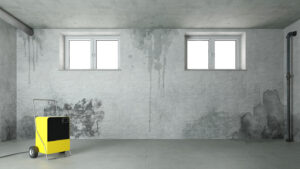
Basements are inherently moisture-prone, and adding a bathroom increases humidity significantly. Common waterproofing mistakes include:
- Inadequate shower pan waterproofing: Use a proper waterproofing membrane system, not just tile over cement board
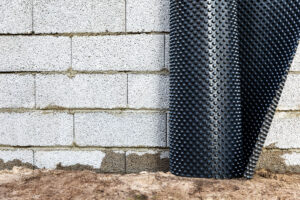
- Skipping vapor barriers: Install appropriate moisture barriers on exterior walls before finishing
- Undersized exhaust fans: Size ventilation for actual bathroom use, not minimum code requirements
When selecting flooring, prioritize materials designed to handle moisture—luxury vinyl and porcelain tile outperform hardwood and laminate in basement applications.
Drainage Problems
Improper drainage slope causes slow drains, clogs, and potential backups. Drain lines must maintain a minimum slope of 1/4 inch per foot toward the ejector pit or main stack. Flat or improperly sloped drains may pass inspection but fail in use.
Ignoring Radon
Cutting through the basement floor can disturb existing radon mitigation systems or create new pathways for radon entry. Test for radon before and after construction, and ensure any mitigation systems remain functional. Radon testing costs $10-$400 and is essential for basement living spaces.
FAQs
How Much Does It Cost to Add a Bathroom in a Basement?
Adding a bathroom to a basement typically costs $8,000 to $25,000, with most homeowners spending $15,000 to $18,000. Costs vary based on whether plumbing rough-ins already exist (saving $3,000-$6,000), whether you need an ejector pump (adding $1,500-$3,500), the level of finishes you choose, and local labor rates. Half baths cost less ($5,000-$12,000) while full baths with tubs cost more ($15,000-$30,000).
Do I Need an Ejector Pump for a Basement Bathroom?
You need an ejector pump if your basement bathroom fixtures sit below the main sewer line, which is the case in most homes. The pump moves wastewater upward to reach the sewer connection. Ejector pump installation costs $1,500 to $3,500 including the pump unit, basin, and labor. Some homes have existing ejector systems from original construction that can serve new bathroom fixtures.
How Much Does Basement Bathroom Plumbing Rough-In Cost?
Basement bathroom plumbing rough-in costs $2,000 to $7,000 depending on complexity. If rough-ins already exist from original construction, costs can be as low as $500 to $1,500 for final connections. Breaking and repairing concrete to install new drain lines adds $1,000 to $3,000. Positioning the bathroom near existing plumbing minimizes costs significantly.
Does Adding a Basement Bathroom Increase Home Value?
Yes. A basement bathroom typically returns 50-65% of project costs at resale while making finished basement space significantly more functional and appealing to buyers. ROI is highest when the bathroom serves a guest suite, enables rental income, or adds a needed bathroom to a home with limited existing facilities. The practical value during ownership often exceeds what resale statistics capture.
Do I Need a Permit to Add a Basement Bathroom?
Yes. Basement bathroom additions require permits for plumbing, electrical, and often structural work in virtually all jurisdictions. Permit costs range from $100 to $500 depending on location and project scope. Inspections verify that work meets building codes for drainage, venting, electrical safety, and ventilation. Unpermitted work can complicate home sales and may require removal.
How Long Does It Take to Add a Basement Bathroom?
A basement bathroom addition typically takes 2-4 weeks from start to finish. Plumbing rough-in requires 1-3 days, followed by inspections (schedule dependent), then framing, electrical, drywall, tile, and fixture installation. Projects requiring concrete cutting or new ejector pump installation may take longer. Permit approval can add 1-3 weeks before work begins depending on your jurisdiction.
Making Your Decision
A basement bathroom represents a significant investment, but one that transforms how you use your basement space. Before committing to the project, work through these decision factors:
- Check for existing rough-ins: This single factor can reduce your project cost by $3,000-$6,000 and simplify the entire process
- Determine ejector pump needs: Confirm whether your basement sits above or below the main sewer line; most basements require ejector pumps
- Choose bathroom type based on actual use: A half bath may suffice for a home office, while a guest suite needs a full shower
- Get multiple detailed bids: Ensure bids include permits, ejector pump, ventilation, and all finishes so you can compare accurately
- Verify contractor experience: Basement bathroom work requires specific expertise; ask about recent similar projects
- Plan for ventilation: Budget for adequate exhaust capacity; basement moisture control is essential
The convenience of a basement bathroom often justifies the investment even when resale ROI alone wouldn’t. If you spend significant time in your basement, the daily value of bathroom access may matter more than what the numbers suggest about home value. When you’re ready to move forward, vetting contractors carefully is the most important step you can take to protect your investment.

Anna has over six years of experience in the home services and journalism industries and serves as the Content Manager at MyHomePros.com, specializing in making complex home improvement topics like HVAC, roofing, and plumbing accessible to all. With a bachelor’s degree in journalism from Auburn University, she excels in crafting localized, comprehensive guides that cater to homeowners’ unique needs. Living on both coasts of the United States has equipped her with a distinctive perspective, fueling her passion for turning any house into a cherished home through informed, personalized decision-making.
Connect with top-rated local contractors who can help you with siding, roofing, HVAC, windows, and more. Get free quotes from verified professionals in your area today.